Newsletters


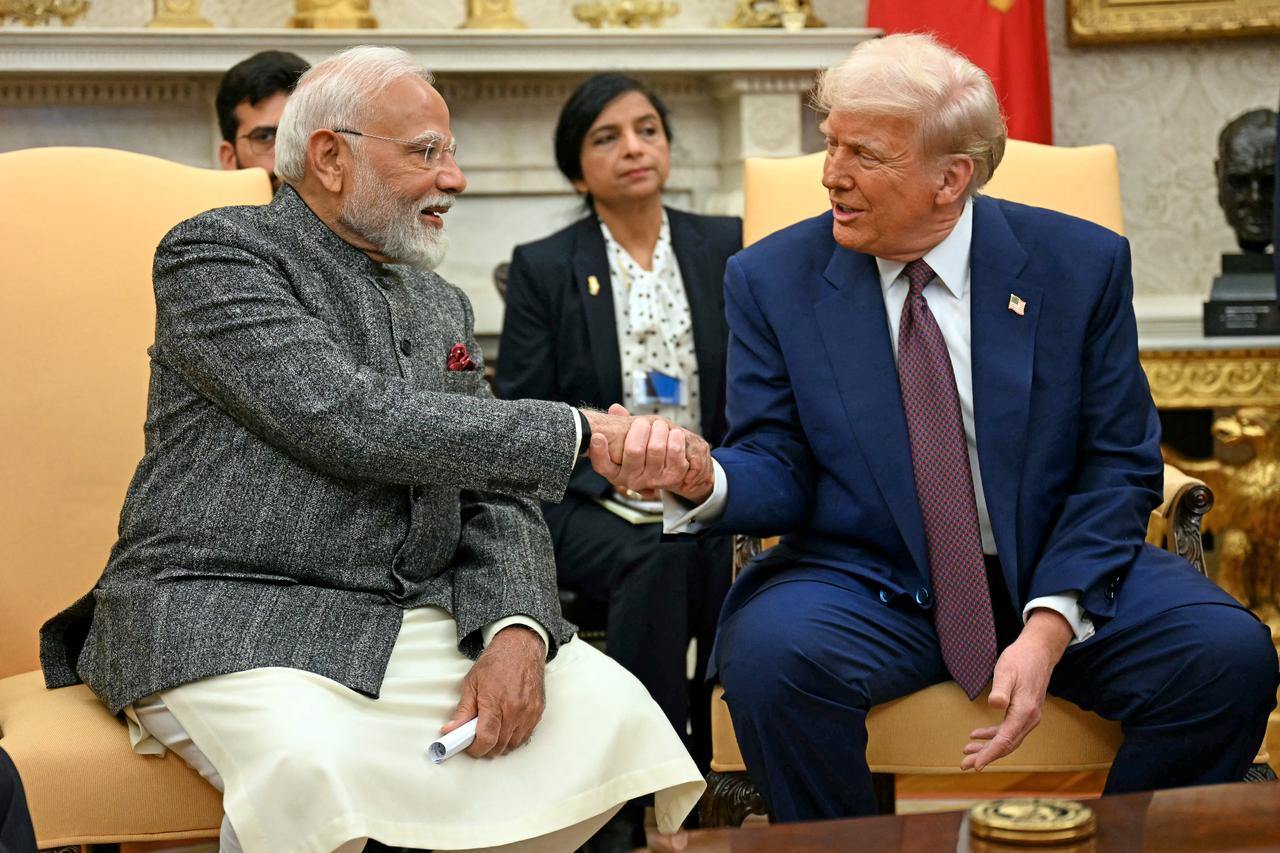


U.S. President Donald Trump on Tuesday unveiled a trade agreement with India that lowers tariffs on Indian imports and, according to Trump, includes a commitment from Indian Prime Minister Narendra Modi to cease purchasing Russian oil.
Trump said the U.S. would cut tariffs first imposed with "Liberation Day" duties on Indian goods from 25% to 18%, while White House officials said a separate 25% penalty tied to Russian oil purchases would also be dropped.
"Out of friendship and respect for Prime Minister Modi and, as per his request, effective immediately, we agreed to a Trade Deal between the United States and India," Trump posted on his platform, Truth Social.
Beyond tariffs, the deal includes a broad economic pledge. Trump said India had agreed to purchase more than $500 billion in U.S. goods and services, spanning sectors such as energy, technology, agriculture, and coal. Specific timelines or contractual details were not disclosed.
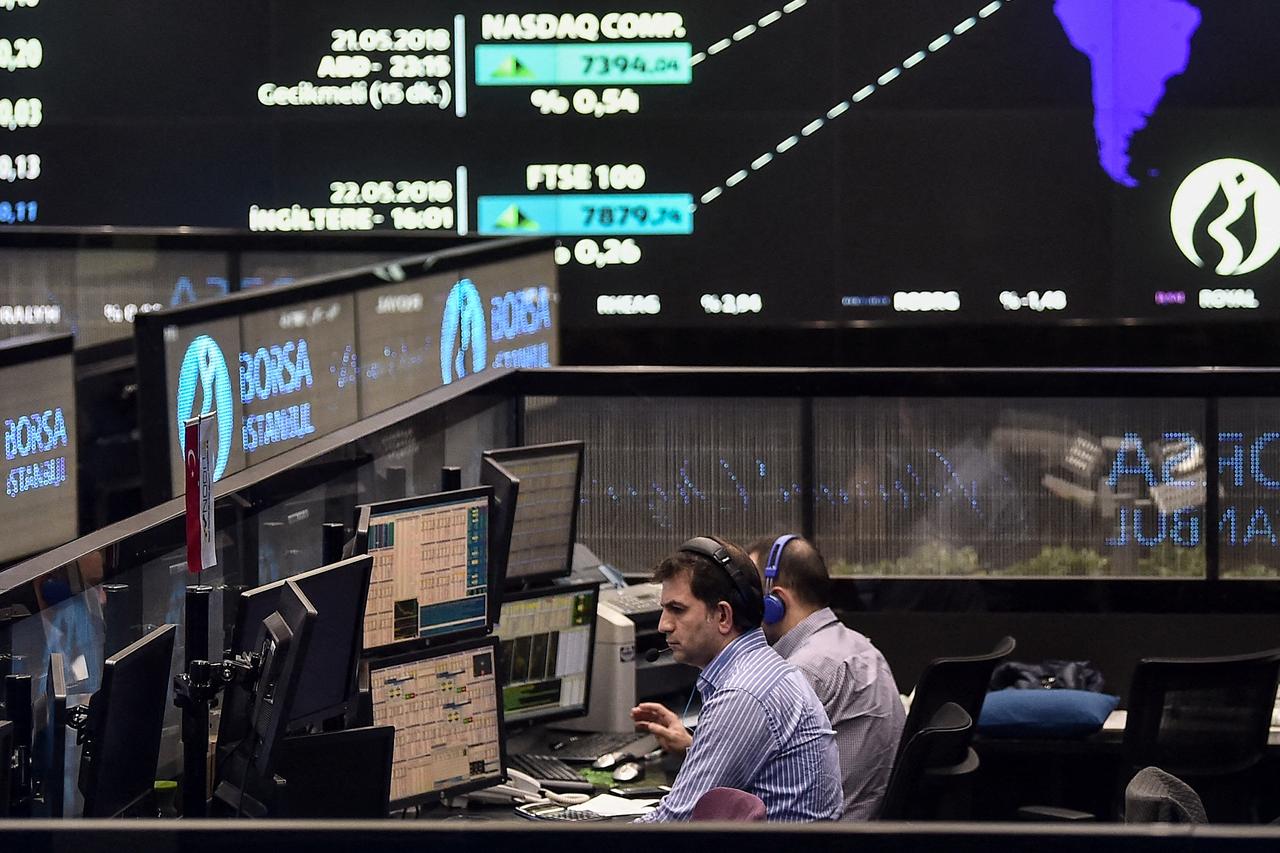
The agreement was met with enthusiasm in Indian markets, as Mumbai’s benchmark Nifty index surged by nearly 6% at the opening bell following the announcement.
India and the U.S. have a trade volume of around $120 billion, with Indian exports accounting for approximately $80 billion and U.S. goods making up about $40 billion, based on the latest available data from 2024.

Prime Minister Modi responded to the announcement by thanking Trump for what he called a "wonderful" phone call and expressing satisfaction over the reduced tariff rate. "Wonderful to speak with my dear friend President Trump today. Delighted that Made in India products will now have a reduced tariff of 18%," Modi said on X.
However, Modi did not address Trump’s statement that India had agreed to stop buying oil from Russia. India has been one of Russia’s top crude buyers. In 2024 alone, it imported nearly 681 million barrels of oil worth $52.72 billion, accounting for about 40% of its total crude imports, according to international trade data.
Despite the personal rapport between the two leaders, as Modi was among the first foreign heads of state to visit Trump at the White House after his return to office, progress on a trade deal had stalled for months. The main sticking point was India’s continued purchase of discounted Russian oil, which Washington says undermines global efforts to restrict Moscow’s war financing.
Trump had previously claimed in October that Modi would stop buying Russian oil, but no deal materialized until now. In contrast, Russian President Vladimir Putin reiterated in December during a visit to New Delhi that Russia stood ready to continue "uninterrupted shipments" to India despite U.S. pressure.
Amid efforts to curb Russia’s oil income, the country’s oil revenues dropped by about 35% in 2025 to 8.47 trillion rubles ($110.77 billion), the Russian Finance Ministry reported.


 Set as preferred source
 Set as preferred source


 1 min read
 1 min read