Sign in
 Newsletters


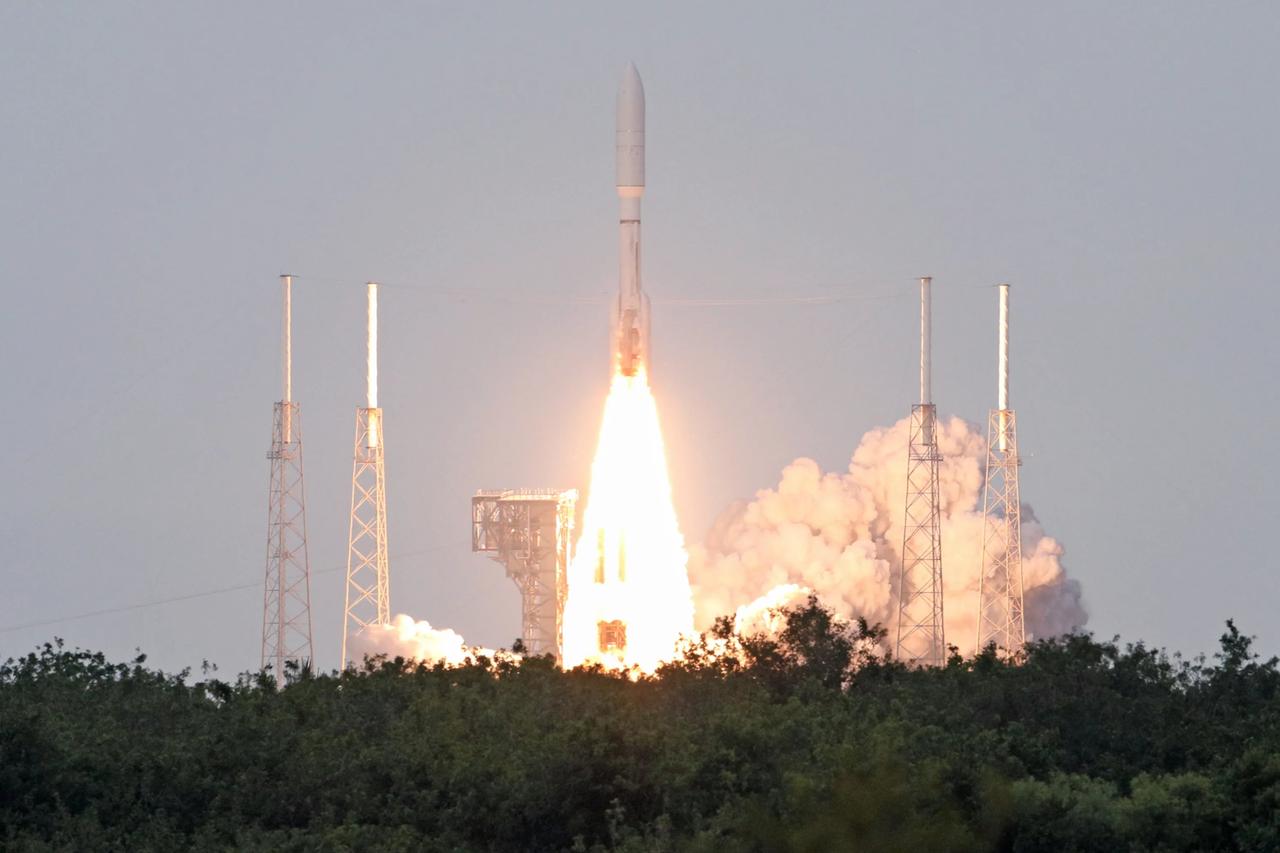


NATO launched its multinational STARLIFT space initiative Tuesday at the NATO EDGE 26 conference in Izmir, Türkiye, with 10 NATO allies and South Korea committing funding to improve military satellite launches and ensure more reliable, rapid and cost-effective access to space.
The initiative aims to strengthen military capabilities by securing satellite launches essential for communications, navigation, intelligence and early-warning systems, according to a NATO statement.
Belgium, Canada, Finland, Germany, Italy, the Netherlands, Norway, Sweden, Türkiye and the United Kingdom, along with South Korea, committed to financing STARLIFT through the NATO Support and Procurement Agency (NSPA).
The funding commitments were formalized during a signing ceremony on Oct. 29, 2026, on the sidelines of a meeting of NATO's National Armaments Directors.
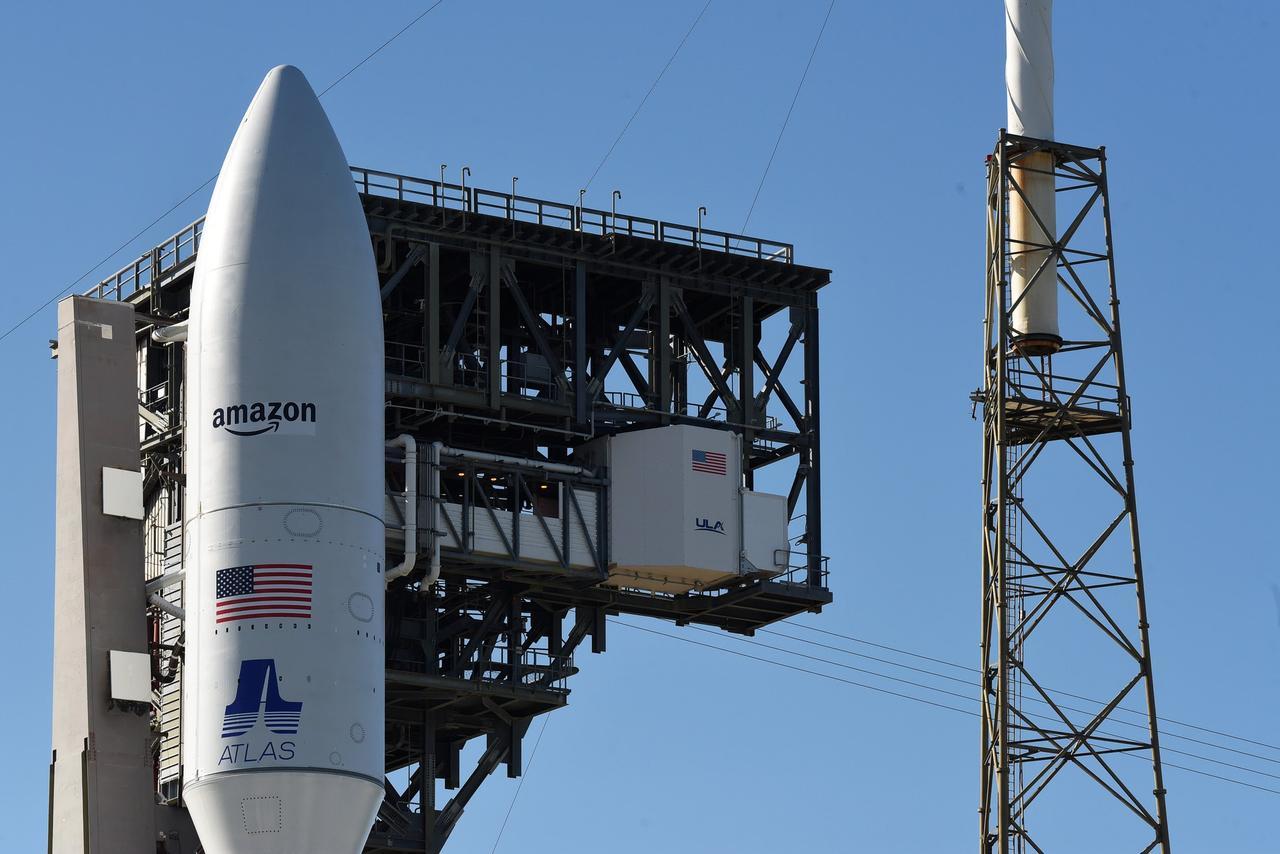

Under development since 2024, STARLIFT aims to help participating countries cooperate with commercial launch providers and spaceports to make access to space more resilient, responsive and affordable.
The initiative will provide military users with a service to secure launch slots on commercial rockets, supported by a network of spaceports across NATO member countries and South Korea.
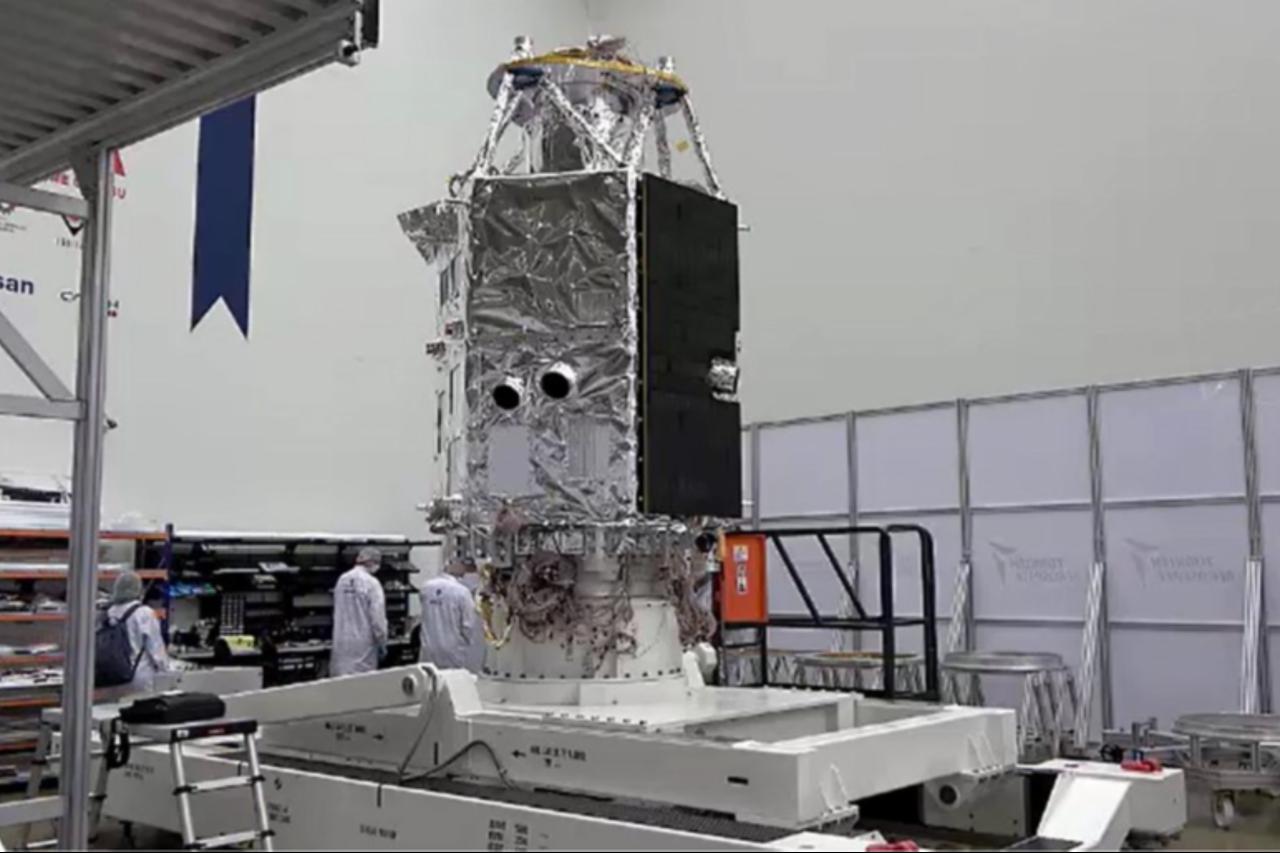
It will also serve as a platform for developing and testing rapid-response space operations, including the urgent launch of military satellites.
Testing and experimentation will focus on improving allied launch infrastructure and logistics while facilitating the exchange of best practices in space operations.
NATO said coordinated air and maritime traffic management would help ensure the safety of both routine and short-notice satellite launches.
STARLIFT will also coordinate launch requirements and combine demand among participating countries to improve access to commercial launch services and encourage investment in the space industry.
According to NATO, the initiative will enable European allies and Canada to assume greater responsibility for collective security in space while strengthening allied capabilities, transatlantic cooperation, deterrence and defense.
NATO formally recognized space as an operational domain in 2019, placing it alongside other areas of military operations.


 Set as preferred source
 Set as preferred source


 1 min read
 1 min read