Sign in
 Newsletters


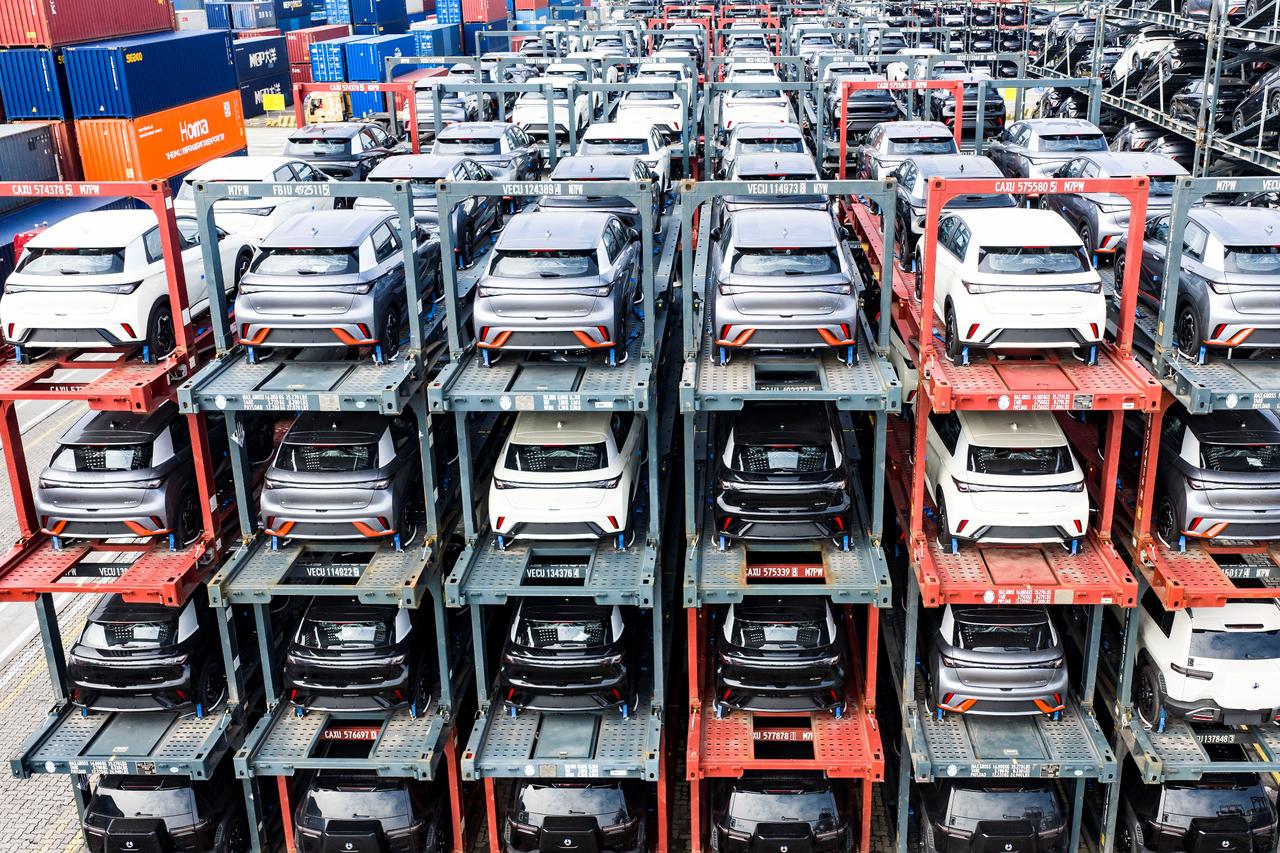


Excluding Britain, Türkiye and Morocco from the European Union’s planned "Made in Europe" rules for car manufacturing would damage the bloc’s own auto industry rather than strengthen it against Chinese competition, Ford’s top European executive said Tuesday.
Changing rules under which carmakers have invested billions of dollars would be "the definition of self-harm," Jim Baumbick, president of Ford in Europe, told Reuters.
"All it becomes is a driver not to invest in future growth," he added.
"Made in Europe" is part of the EU’s planned Industrial Accelerator Act and aims mainly to push Chinese automakers to produce cars in the bloc with local suppliers to qualify for subsidies and public procurement.
The plan currently excludes Britain, Türkiye, and Morocco, which are integral to Europe’s automotive supply chain.
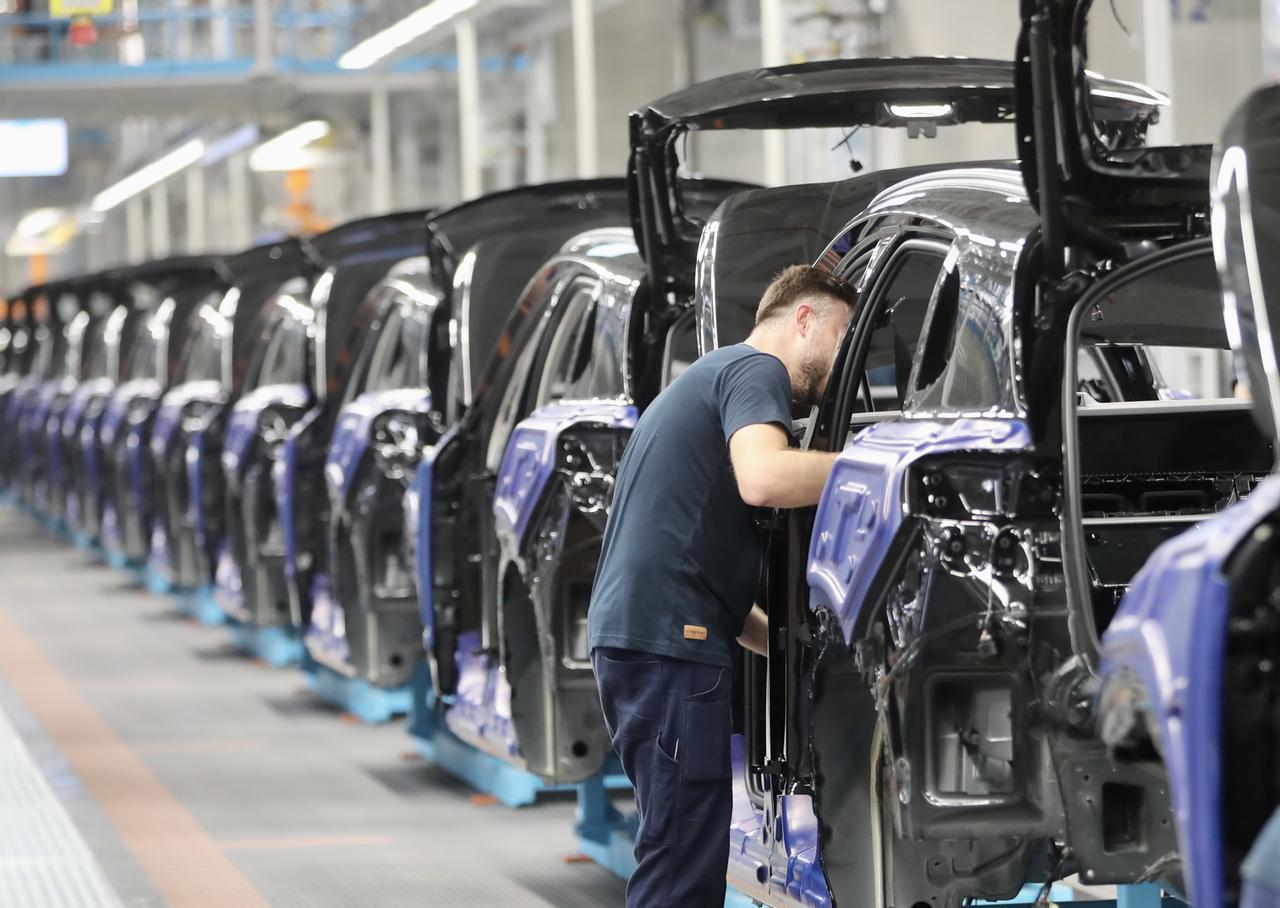
Baumbick said the Ford Transit, Europe's best-selling one-ton van, illustrates how the continent’s automotive ecosystem works. The van was designed and engineered by teams in Britain and Germany, with more than 50% of its parts from European suppliers and more than 30% from Britain and Türkiye, he said.
"But because it’s assembled in Turkey, it would not qualify for Made in Europe," Baumbick said, noting, "I can’t keep making investments for my company if I have to turn around and address the cost because the rules of the game have changed. That’s a problem."
Türkiye is lobbying to be included, arguing that shared supply chains support more than 250,000 jobs in the EU.
Britain’s SMMT and the EU’s ACEA warned that excluding Britain threatens an €80 billion annual trade relationship. "The EU and UK automotive industries need each other to be successful," SMMT CEO Mike Hawes said.
The issue tops the agenda of an EU-UK summit on Friday, Nov. 20.
Germany and France struck a deal last month that would include Britain, but it needs support from other member states, and Türkiye’s eligibility remains uncertain.

"Türkiye as a major industrial player in the EU Customs Union on EU borders should be considered among the countries eligible for the framework," Noah Gordon of the European Council on Foreign Relations told Türkiye's state-run Anadolu Agency (AA).
He suggested the EU could initially include Türkiye, Japan, South Korea and EFTA countries, noting Türkiye’s existing trade defenses against Chinese electric vehicles.
"The EU has a lot of trade tensions with China right now, and with the U.S. It doesn’t really need to also be in disputes with countries like Türkiye and (South) Korea, which are very important," Gordon said.
He also cited Türkiye as a potential low-cost aluminum supplier: "If you could get aluminum from a partner country like Türkiye, then it would make sense to do the assembly in the EU."
"It would also be unwise to completely exclude the investment already made by ACEA members in other countries, of course, including Türkiye," said Maria Linkova-Nijs, ACEA’s executive head of policy and strategy, noting closely integrated EU-Türkiye production of trucks and buses.
The EU is Türkiye’s largest trading partner, with bilateral trade of $233 billion in 2025, about $62 billion of it in vehicles and parts.
Türkiye became the third-largest market for new EU vehicle exports in 2025, with an 11.1% share, up from 8.3% in 2024, according to ACEA.
The Industrial Accelerator Act aims to raise manufacturing’s share of EU GDP from 14.3% to 20% by 2035, as debate over "Made in Europe" intensifies.


 Set as preferred source
 Set as preferred source


 2 min read
 1 min read