Newsletters


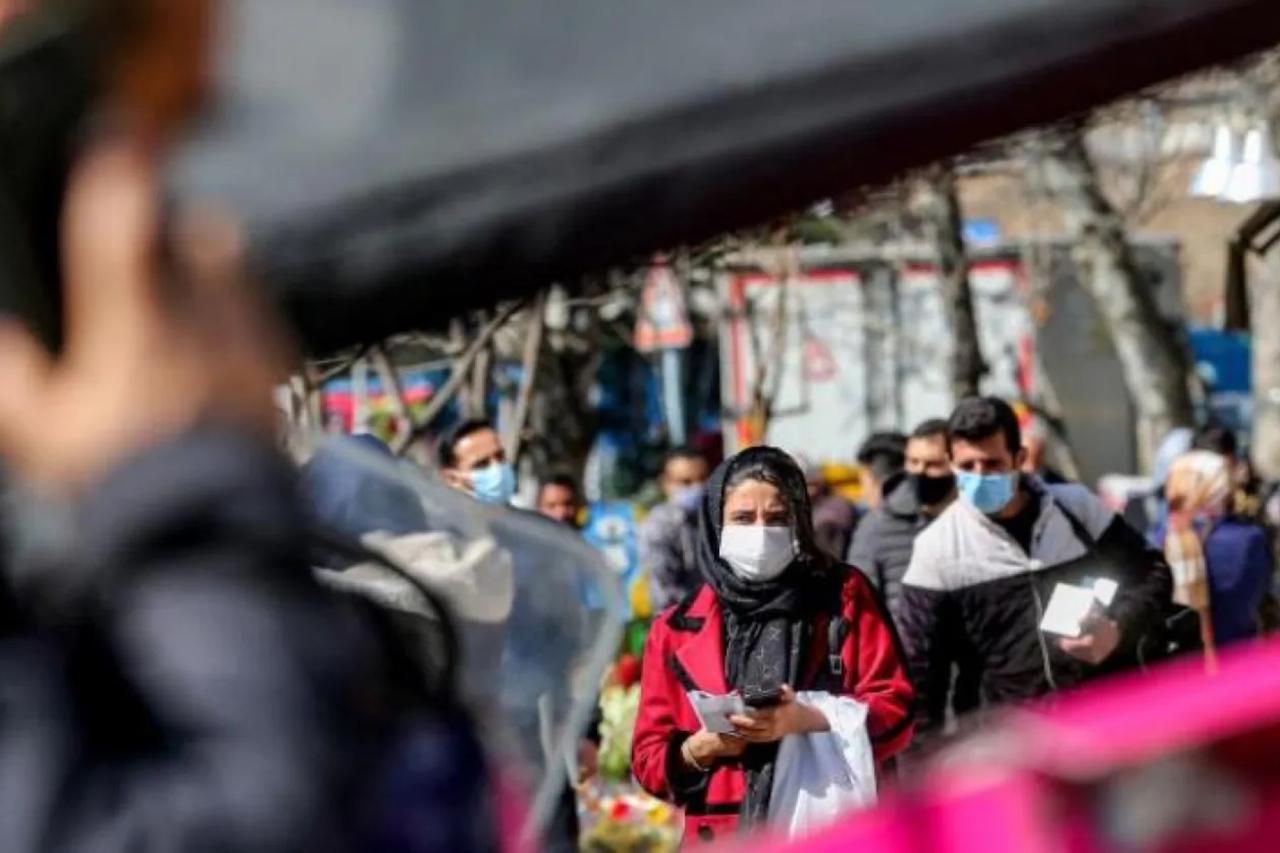


A new feature introduced by Platform X has ignited public debate in Iran after it revealed that several political and media figures appear to access the platform through unrestricted connections not available to ordinary users, raising accusations of digital inequality and preferential treatment for elites.
The launch of “Location Gate” enabled ordinary users to examine the login locations of public figures.
The feature triggered a scandal when it became clear that officials, politicians, and media personalities from both the conservative and reformist camps were using “white SIM cards” that provide internet services exempt from censorship and filtering policies.
The tool showed that some figures access the platform through a foreign connection, indicating the use of a virtual private network (VPN) or a special SIM card, despite being among the staunchest defenders of internet restrictions, while others appeared to be using a direct, unrestricted Iranian connection.
Among those benefiting, according to the names circulating on Iranian reports , are members of parliament, media figures, activists, and journalists, some of whom are known for advocating tighter internet restrictions, prompting accusations of hypocrisy and digital class discrimination.
According to the reformist newspaper Etemad, the unfiltered SIM card, known as the “white card,” is not subject to any restrictions or blocking.
Any device linked to it can access the operator’s full range of services without being affected by censorship policies. These cards are granted to specific groups, most of whom are officials and politicians.
Since the early 2010s, the idea of providing unfiltered internet to university professors, journalists, and doctors has been proposed, and some of them have confirmed in recent years that they have received this type of connection.
Following the wave of criticism, a government official said the authorities would subject this “inequality in internet access” to a “serious review.”
For his part, the deputy for communications and media at the Presidential Office wrote that what is happening is a “mistake” that contradicts the president’s pledge that “all Iranians have the right to free internet.”
He added, however, that access through white SIM cards was granted to those “whose work requires an unrestricted connection.”
In contrast, activists and journalists argued that the incident reflects a form of “class-based internet,” a privilege enjoyed by wealthy or influential groups at the expense of ordinary citizens who were never granted access to this open digital space, even as censorship remains imposed on them.


 Set as preferred source
 Set as preferred source


 2 min read