Newsletters


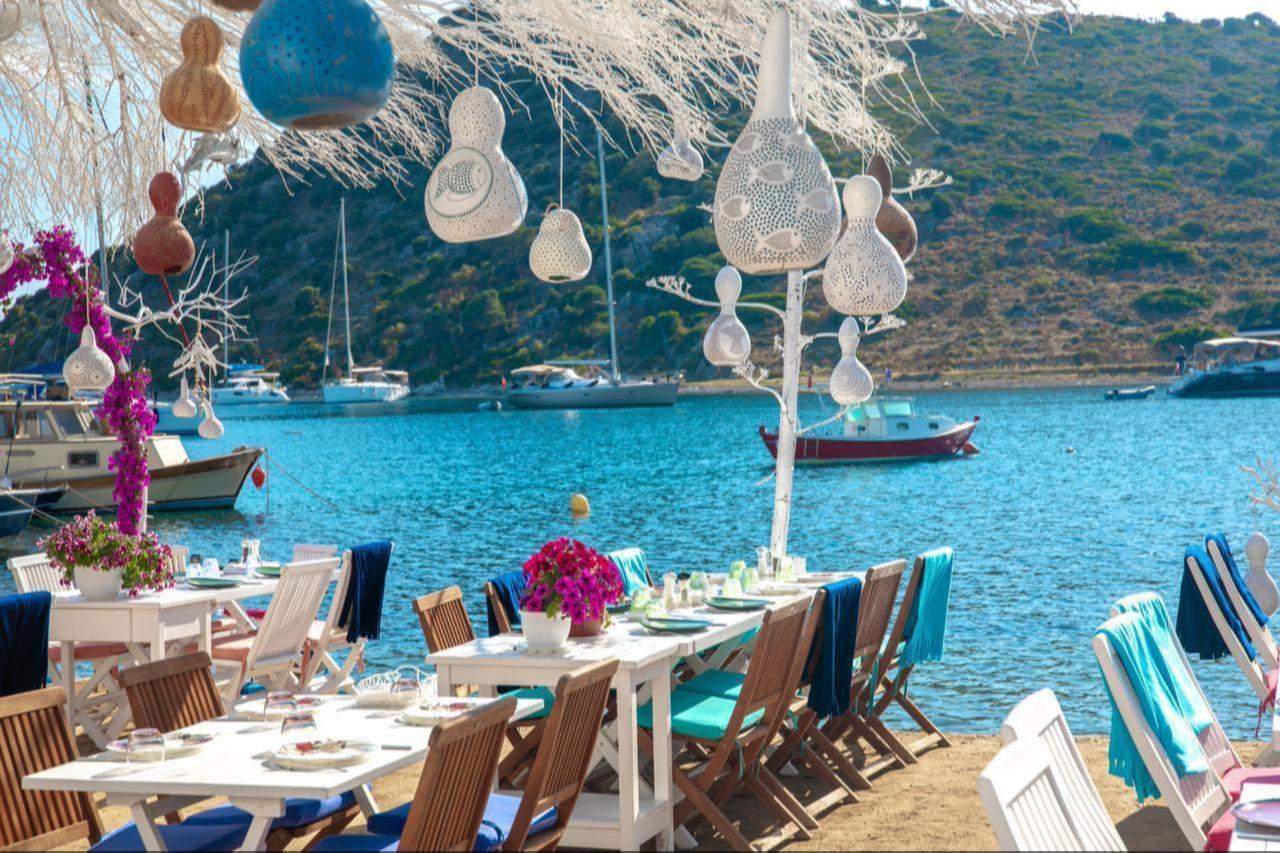


Türkiye’s Trade Ministry is preparing to ban so-called “cover charges” in restaurants and cafes, aiming to ensure that diners pay only for what they actually eat and drink, with no surprise additions to the bill.
Under a planned amendment to the Price Label Regulation, consumers will be charged solely for menu-listed food and beverages at the lowest price publicly announced at the venue entrance, on the website, or on the menu itself. According to the proposal, restaurants will no longer be allowed to add extra line items to the final bill, known locally as the adisyon (the printed check), such as service fees, cover charges, table fees, or mandatory gratuities.
A cover charge (known in Türkiye as "kuver") typically refers to a fixed fee added per person for items like bread, water, or table settings, regardless of what is ordered. A service fee or mandatory gratuity is an automatic percentage added to the bill, separate from voluntary tipping.
The ministry’s move is designed to prevent consumers from being faced with costs that fall outside their planned budget. By tying payment strictly to displayed prices, authorities intend to bring more transparency to dining out and reduce disputes at the table when the bill arrives.
Mehmet Goksu, vice president of the All Restaurants and Tourism Association, who spoke to Hurriyet daily, said such practices were more common in tourist-oriented establishments and noted that similar systems are used widely in many countries. He explained that a service charge of around 10% and tipping are generally left to the discretion of the customer and the waiter, while the cover charge has traditionally been linked to items placed on the table.
Goksu added that although cover charges were not applied everywhere, they had become a source of irritation for some customers. He said the sector respects the ministry’s decision to do away with the practice and will comply with the change.


 Set as preferred source
 Set as preferred source


 5 min read