Newsletters


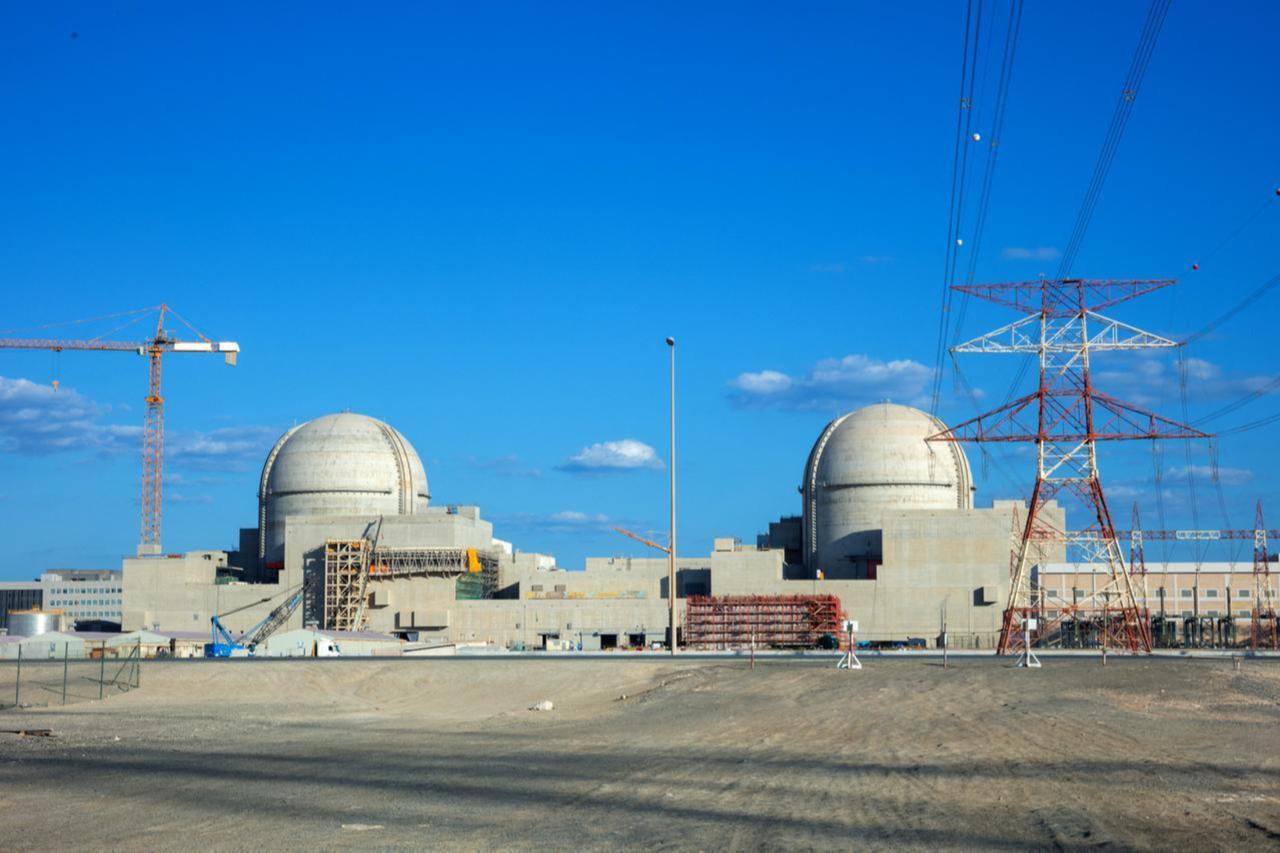


Nuclear power is expected to play a growing role in meeting electricity demand, improving energy security and cutting industrial emissions as more countries expand or consider nuclear programs, World Nuclear Association Director General Sama Bilbao y Leon said at COP31 in Antalya, Türkiye.
Speaking to Turkish state-run Anadolu Agency, Bilbao y Leon said renewed interest in nuclear energy is being driven by climate commitments, concerns over secure domestic energy supplies and demand for affordable, reliable electricity.
“Nuclear energy is one of very few energy sources that can produce electricity and heat,” she said.
She said nuclear-generated heat could help reduce fossil fuel use in sectors that are difficult to electrify, including metallurgy, petrochemicals, sustainable aviation fuels and shipping.
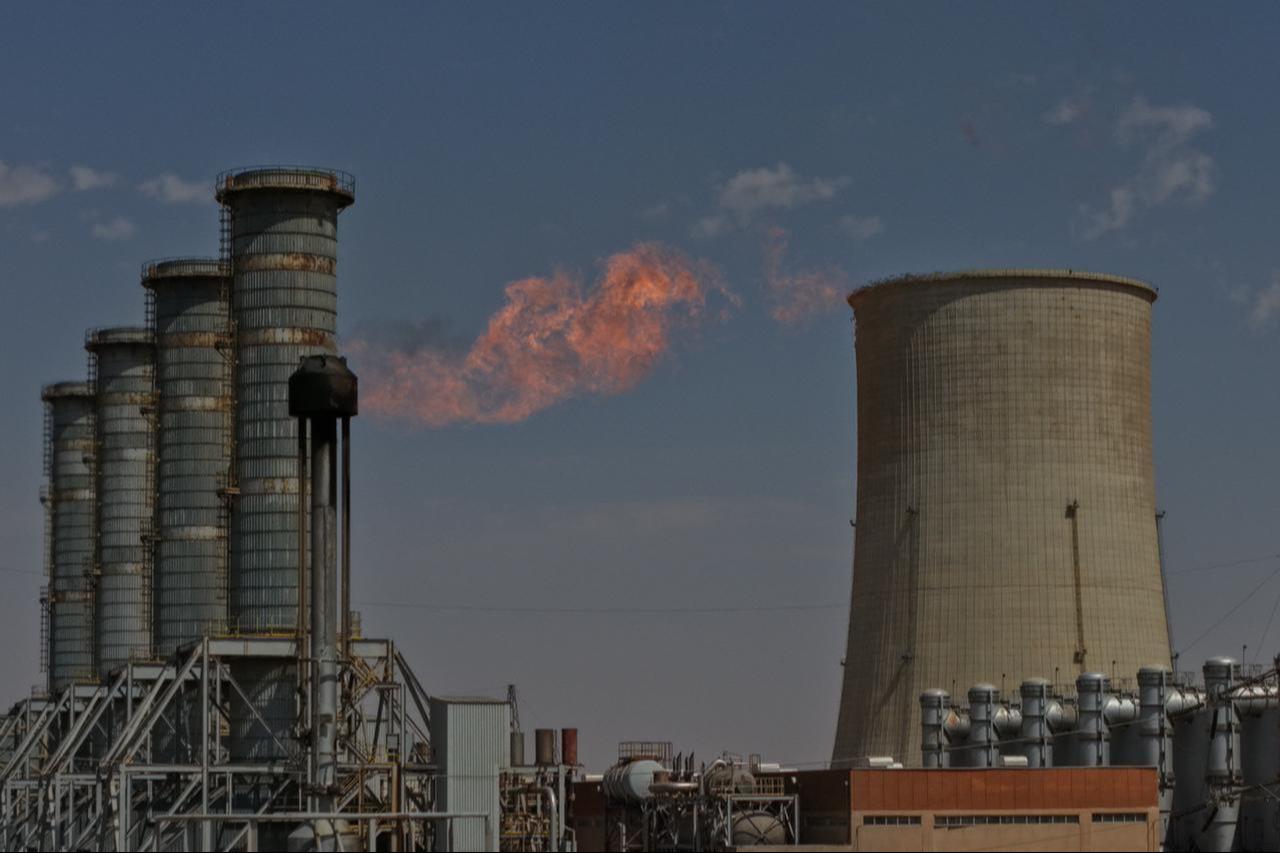

The World Nuclear Association’s latest outlook puts nuclear power’s share of global electricity at about 9% in 2025.
It projects global nuclear capacity could reach 1,467 gigawatts by 2050 if national targets and identified projects are realized and existing reactors continue operating.
Bilbao y Leon said 39 countries have signed a declaration supporting a tripling of global nuclear capacity by mid-century, while more than 50 countries plan to include nuclear power in their energy mix.
She said expansion would involve both new reactors and extensions to the operating lives of existing plants.
“So it may not be enormously contributory in 2030 or 2035, but certainly we will see an exponential growth for nuclear as the century goes on,” she said.
The association’s outlook says achieving a tripling of capacity would eventually require construction rates around six times current levels, as well as investment in fuel supplies, manufacturing capacity and skilled workers.
The International Energy Agency has identified financing and project delivery as major obstacles to expansion.
Its 2025 nuclear report highlighted delays and cost overruns in the U.S. and France, noting that lengthy permitting and construction periods can make new reactors difficult to finance.
Bilbao y Leon said energy security is also adding momentum to nuclear development.
“Every country is trying to make sure that they have access to domestic energy and nuclear is a great way to do that,” she said.
The IEA has also warned that nuclear fuel supply chains remain highly concentrated, with four suppliers accounting for more than 99% of global uranium enrichment capacity and Russia alone holding a 40% share.
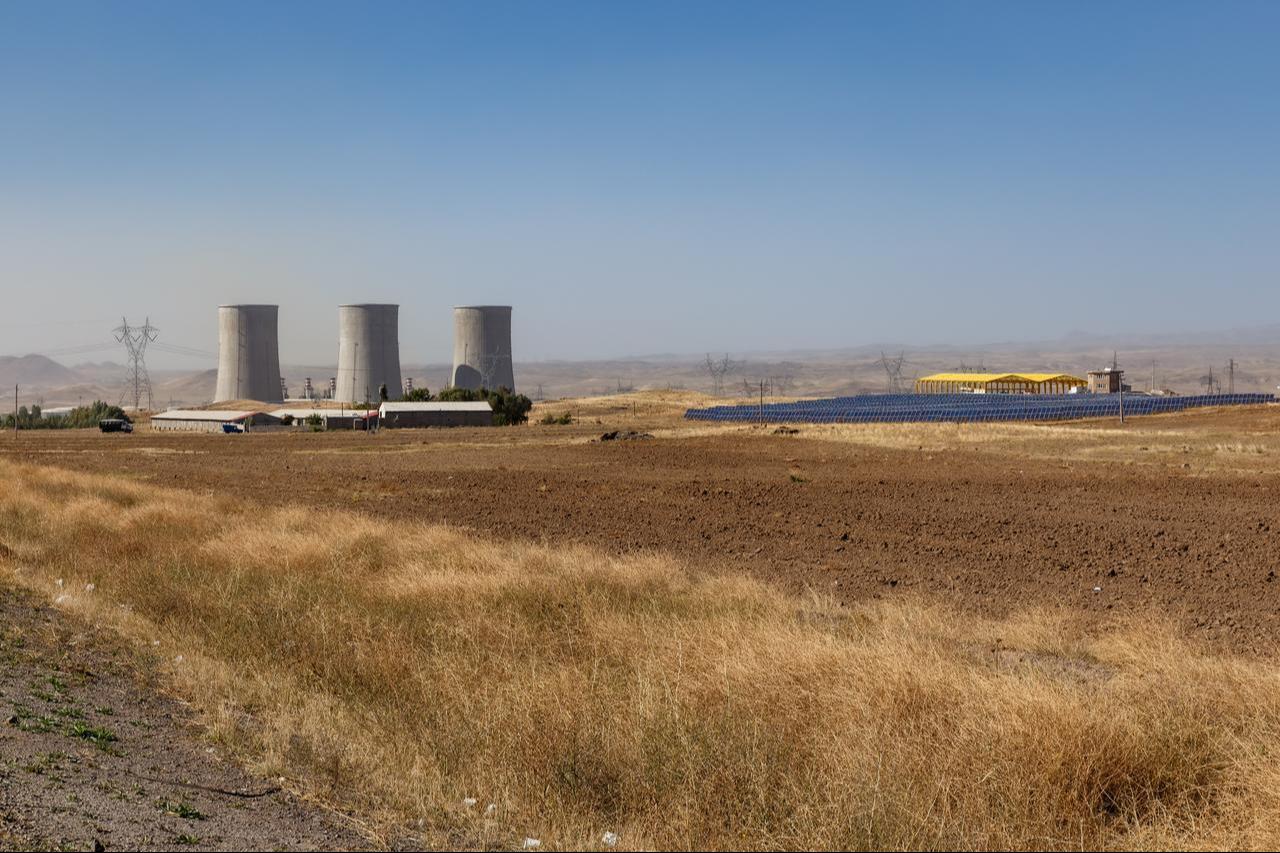
Bilbao y Leon said nuclear plant designs can be adapted to changing climate conditions, including higher temperatures and drought.
She also highlighted the use of nuclear-generated heat for district heating, which can provide energy to nearby communities instead of releasing it into the environment.
The OECD Nuclear Energy Agency has said floods, storms, heat waves and droughts have already affected nuclear plant operations, while warmer cooling water can reduce efficiency and output.
Bilbao y Leon said adapting plant designs and making greater use of nuclear heat are part of efforts to make the sector more resilient to climate change.
“This is some of the things that we are doing to make sure that nuclear power plants are more resilient to climate change,” she said.


 Set as preferred source
 Set as preferred source


 1 min read
 1 min read