Newsletters




U.S. chipmaker Nvidia has yet to deliver any of its H200 artificial intelligence chips to Chinese buyers, even after the United States relaxed export restrictions late 2025, according to a senior U.S. export enforcement official.
"My understanding is that so far none have been sold," David Peters, assistant secretary for export enforcement at the U.S. Commerce Department, told members of the House Foreign Affairs Committee during a hearing on Tuesday.
U.S. President Donald Trump reached an agreement in December with Chinese President Xi Jinping to allow Nvidia to sell H200 processors to select Chinese customers, reversing earlier restrictions imposed over national security concerns. Formal export rules published in January established strict conditions, which have reportedly made approvals difficult to obtain.
Under the arrangement, the U.S. government is set to receive 25% of H200 chip sales revenue. However, licensing requirements remain incomplete, and shipments have not begun.
Nvidia Chief Executive Officer Jensen Huang said last month that "the actual license for H200 is being finalized," adding that the company hoped to re-enter the Chinese market and compete with domestic firms.
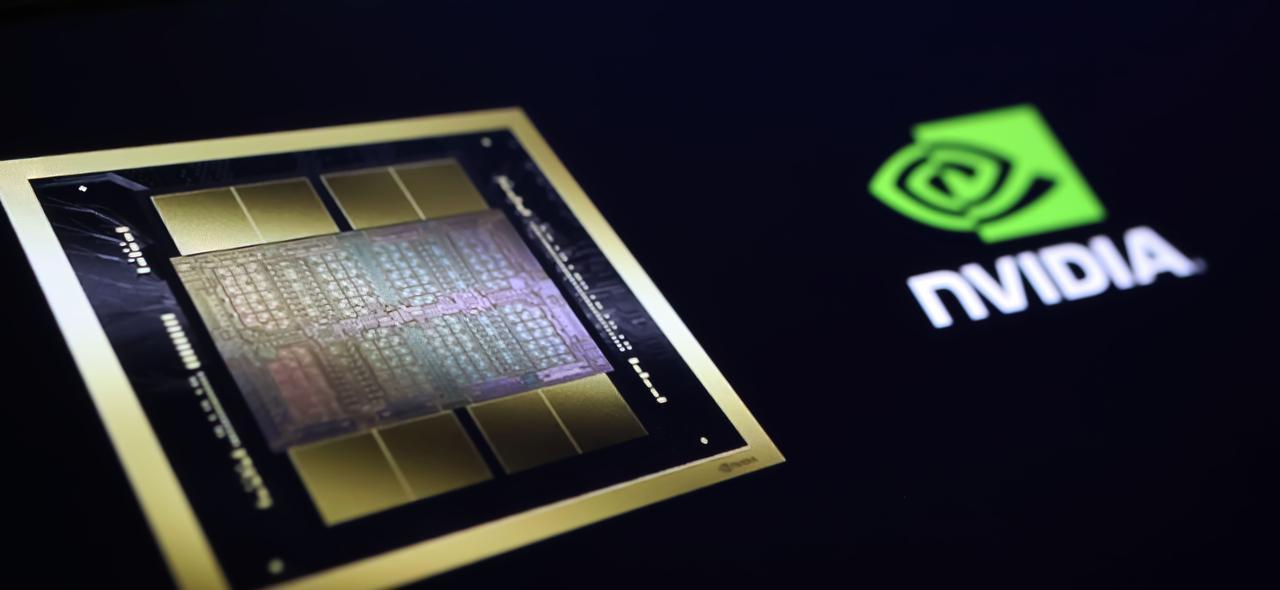

Washington has tightened oversight of advanced semiconductor exports as part of broader efforts to prevent sensitive technologies from strengthening China’s military capabilities. U.S. authorities have also stepped up enforcement against semiconductor smuggling.
At the same time, China is accelerating efforts to expand its domestic chip industry in an attempt to reduce reliance on foreign suppliers such as Nvidia, which is currently the world’s most valuable semiconductor company.
Despite the partial easing of restrictions, Nvidia’s most advanced chip lines, including the Blackwell series and the upcoming Rubin processors, remain prohibited from sale in China and are not covered by the H200 export agreement.
Meanwhile, Nvidia is also set to release its earnings report on Wednesday, when it may detail progress toward regaining access to the Chinese market. In its latest quarter, the company reported record revenue of $57 billion, and investors are expected to watch closely for any signs that export approvals could reopen a key source of demand for its artificial intelligence chips.


 Set as preferred source
 Set as preferred source


 1 min read
 1 min read