Newsletters


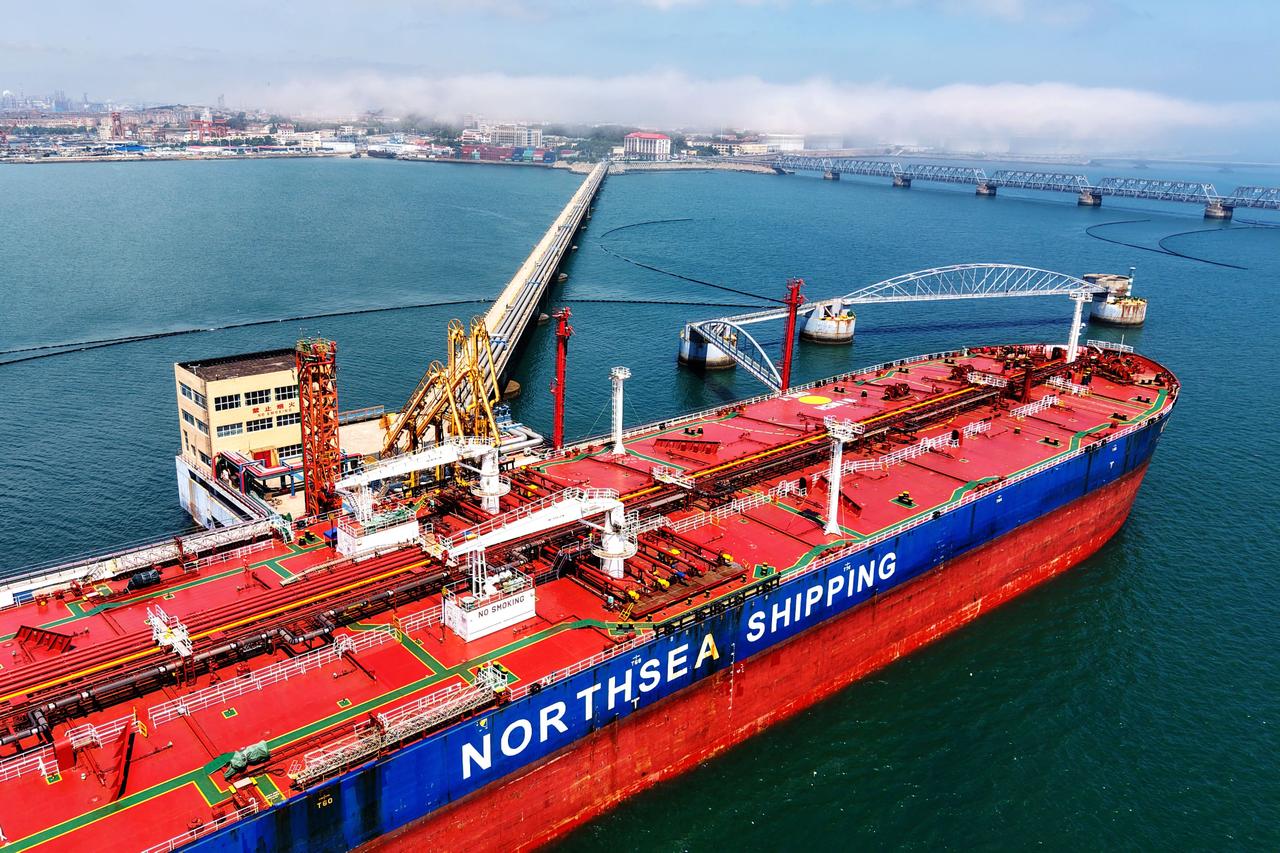


Oil prices moved closer to the $100-per-barrel mark on Wednesday after a renewed exchange of fire between the United States and Iran weakened expectations for a swift end to the conflict and renewed concerns over energy supplies.
International benchmark Brent crude rose about 2% to $97.9 per barrel, while U.S. benchmark West Texas Intermediate (WTI) climbed to $95.8 as of 7:05 a.m. GMT.
Asian equities posted mixed performances as investors weighed the implications of the escalating conflict. Japan's Nikkei 225 advanced 2.5%, while South Korea's KOSPI edged up 0.2%. Hong Kong's Hang Seng fell 1.7%, while China's Shanghai Composite gained 0.2%.
European markets were also divided. The pan-European Stoxx 600 slipped 0.2%, Germany's DAX dropped 0.7% and France's CAC 40 lost 0.4%. Spain's IBEX 35 bucked the trend with a 0.4% gain, while the U.K.'s FTSE 100 was little changed. Türkiye's benchmark BIST 100 index eased 0.2%, giving back part of the previous session's 3.6% surge.
Precious metals came under pressure despite heightened geopolitical uncertainty. Gold fell 0.5% to $4,460, while silver declined 1.2% to $74.3 per ounce. Platinum slipped 0.5% to $1,910 and palladium lost 0.7% to $1,360.
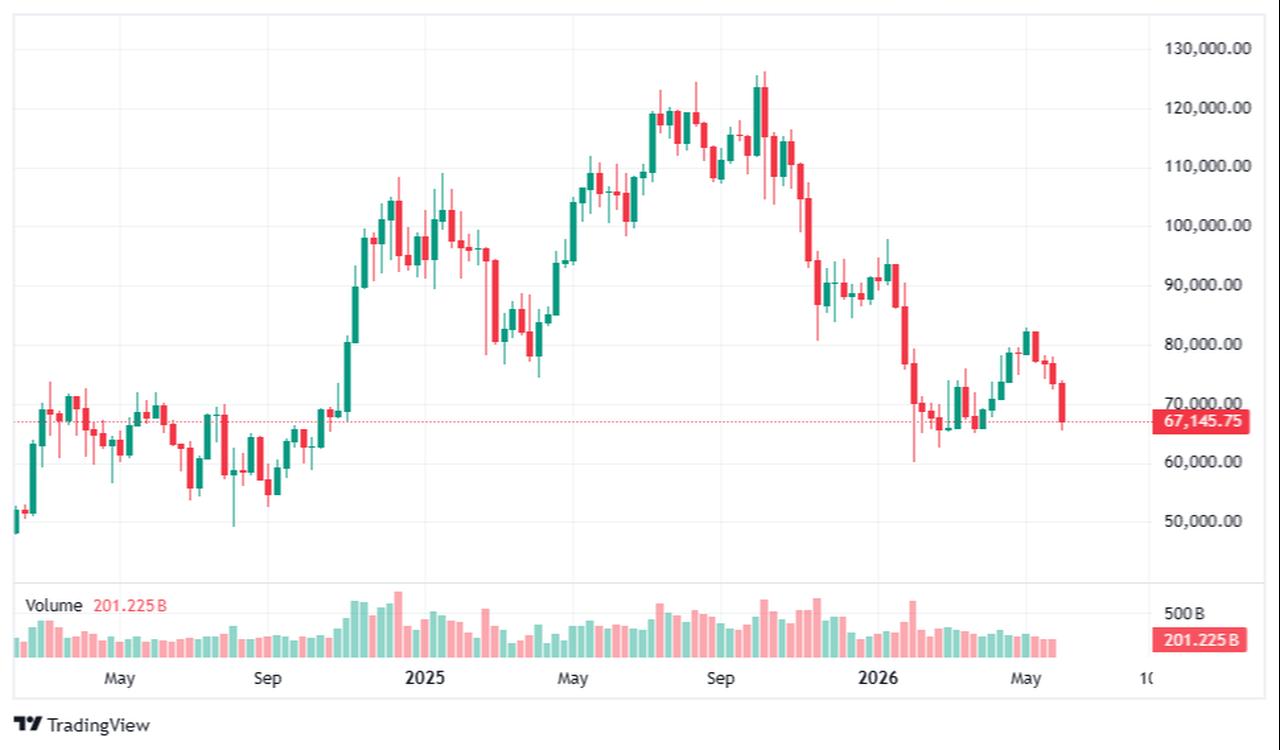
Cryptocurrencies were battered, with bitcoin falling 3.9% to $67,160 and ethereum losing more than 5% to $1,880. The total market capitalization of digital assets dropped 3.5% to $2.3 trillion.

Tensions escalated around the Gulf region on Tuesday, keeping traders focused on the risk of further disruptions to energy flows and shipping routes.
Despite U.S. President Donald Trump's assurances that Washington and Tehran are edging closer to ending their three-month conflict and reopening the Strait of Hormuz, the U.S. Central Command (CENTCOM) again announced that it intercepted multiple Iranian missiles and drones launched toward regional targets.
Iran's Islamic Revolutionary Guard Corps (IRGC) stated missile and drone attacks targeting U.S. military positions across the region, including assets linked to the U.S. Fifth Fleet in Bahrain. Iran described the strikes as retaliation for recent U.S. attacks near the Strait of Hormuz and on Qeshm Island in southern Iran.
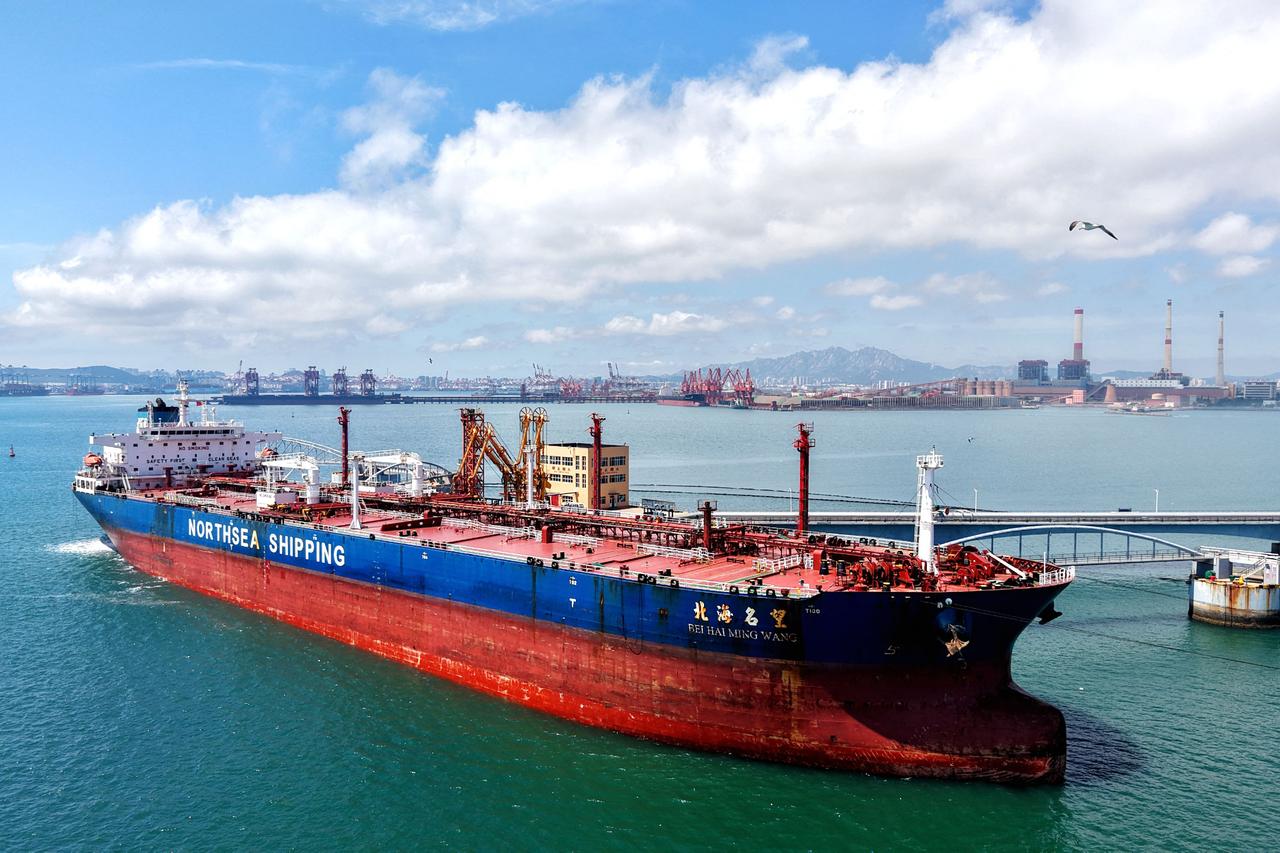
Separately, Iranian media reported that IRGC naval forces targeted the Panama-flagged vessel Panaya with missiles in response to a U.S. strike on an Iranian oil tanker on late Tuesday.
The renewed exchange of attacks has kept attention on the Strait of Hormuz, a key artery for global crude shipments, adding fresh support to oil prices.


 Set as preferred source
 Set as preferred source


 1 min read
 1 min read