Newsletters


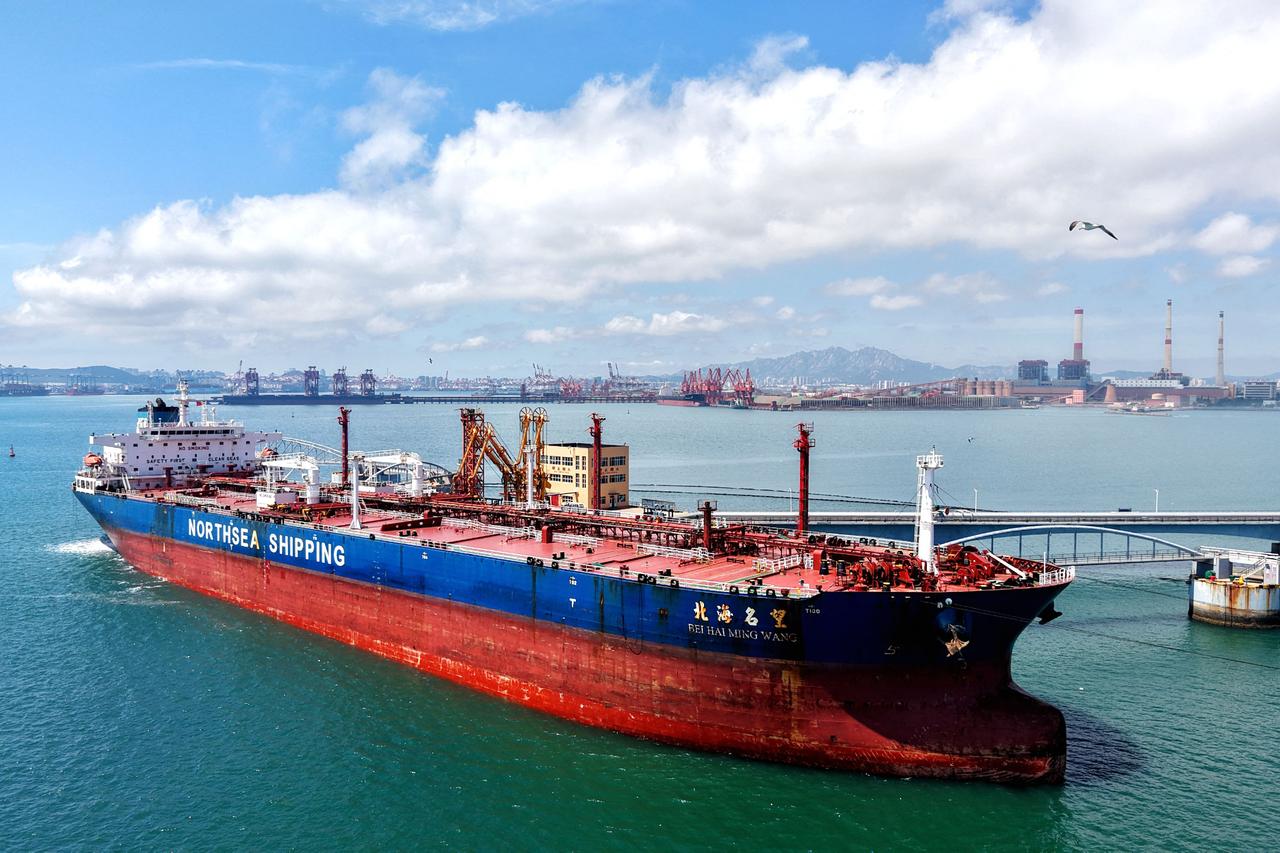


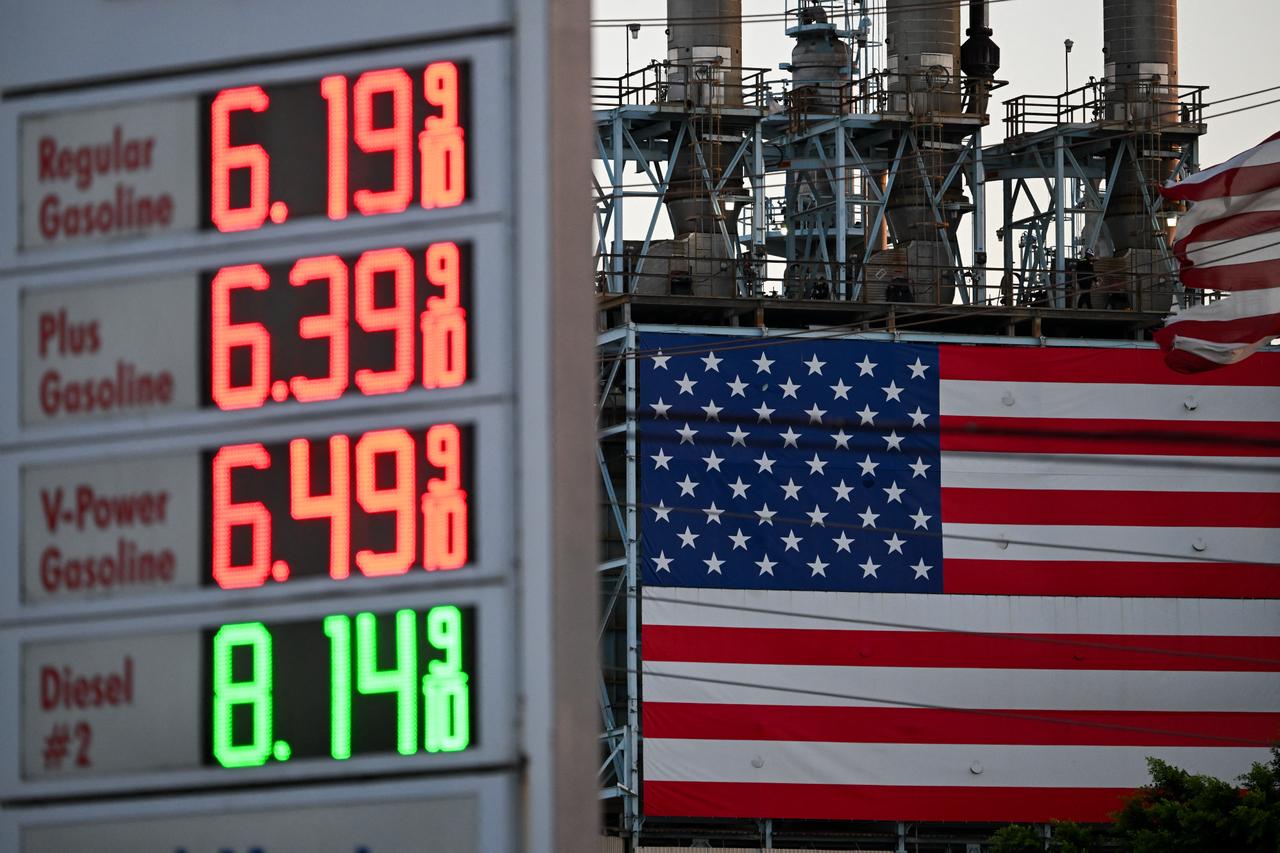
Oil prices pulled back slightly on Tuesday after U.S. President Donald Trump indicated that Israel would step back from plans to intensify military operations in Lebanon, easing fears of a renewed broader regional conflict.
Brent crude and West Texas Intermediate (WTI) both slipped around 1% by 7:15 a.m. GMT, trading at $91.3 and $94.1 per barrel, respectively. The decline followed sharp gains in the previous session after Iran warned that the Lebanon ceasefire remained a key condition for any agreement with Washington.
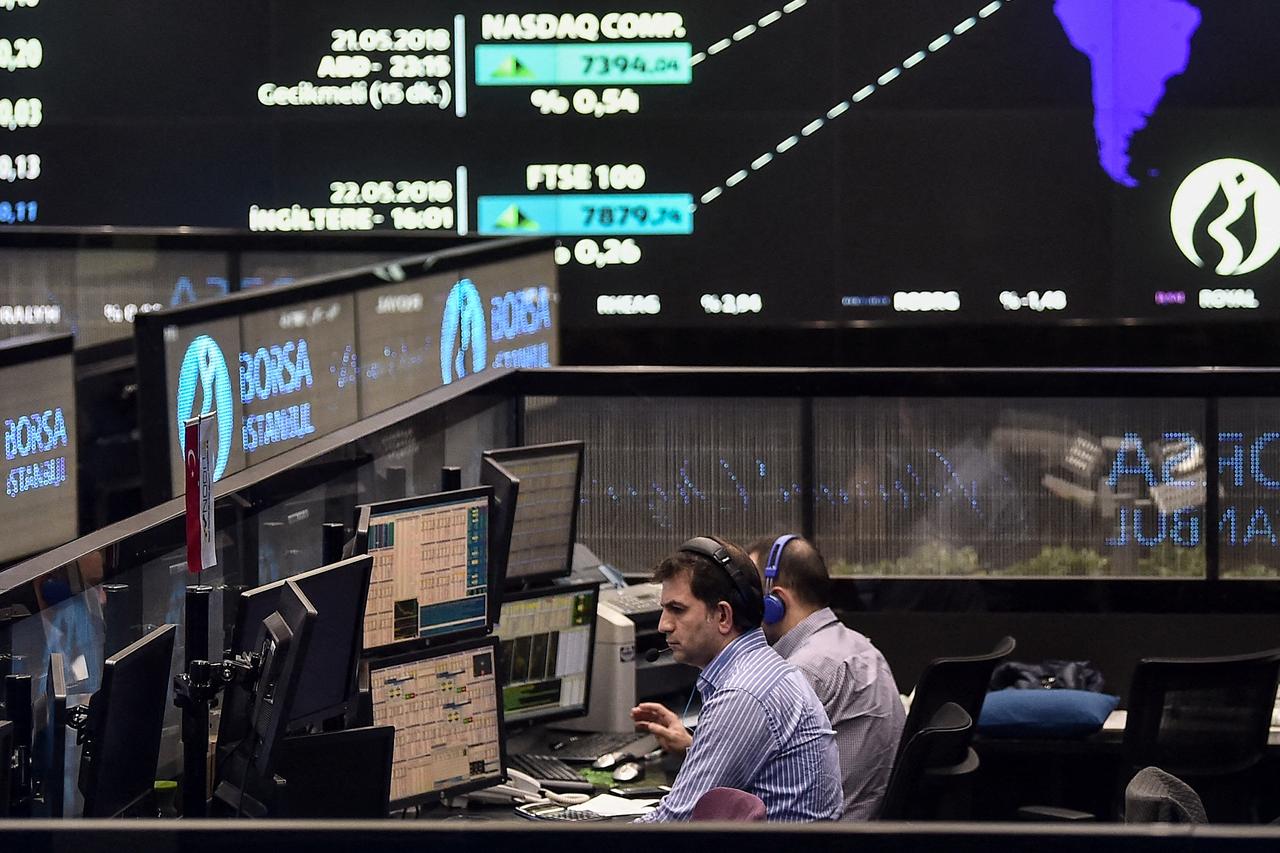
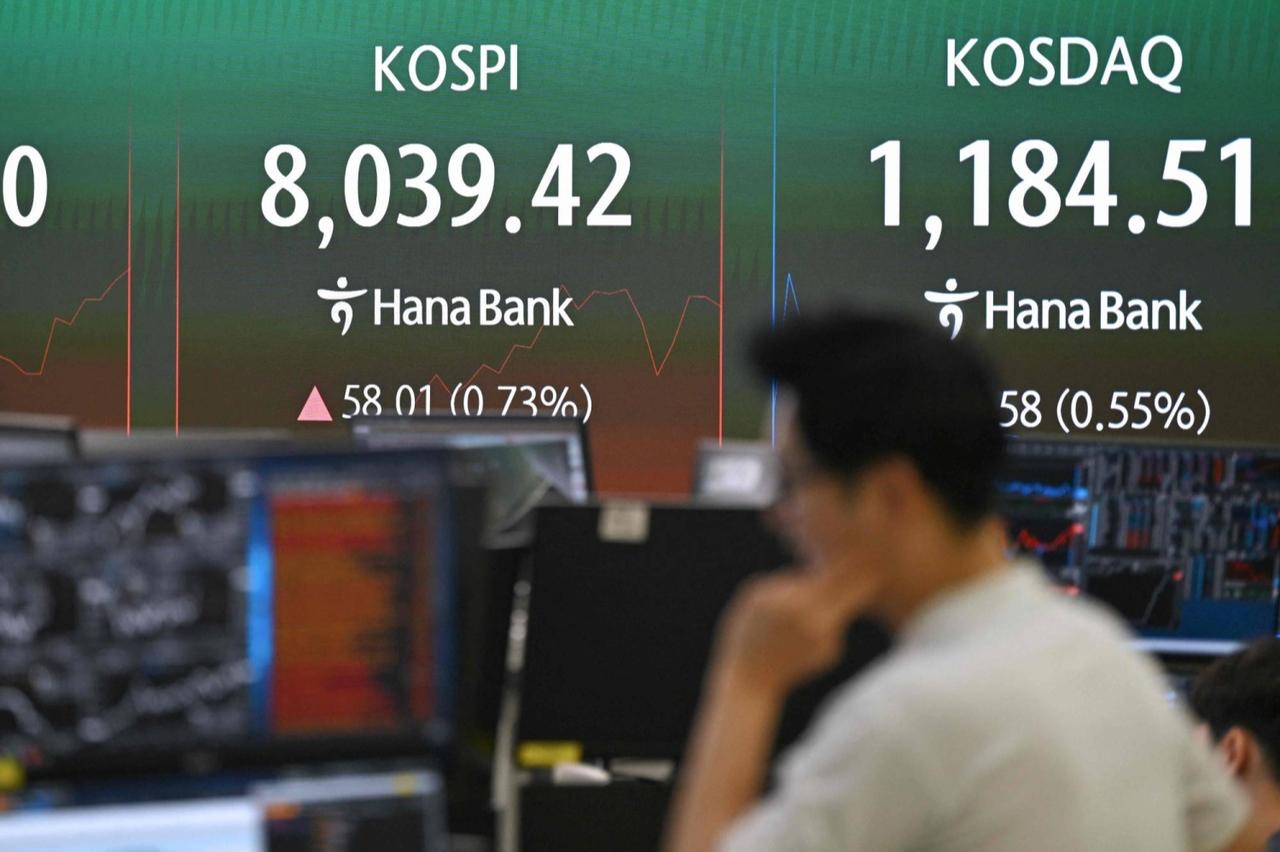
Asian markets traded mixed on Tuesday, with Japan’s Nikkei 225 slipping 0.3% while South Korea’s KOSPI edged 0.15% higher. Gains were stronger elsewhere in the region, as Hong Kong’s Hang Seng jumped 2.3% and China’s Shanghai Composite added 0.4%.
European equities opened in positive territory, lifting the pan-European Stoxx Europe 600 by 0.5%. Germany’s DAX rose 0.8%, while France’s CAC 40 and Spain’s IBEX 35 gained 0.6% and 0.5%, respectively. The UK’s FTSE 100 advanced 0.3%, and Türkiye’s BIST 100 climbed 0.7%.
U.S. equity futures, however, pointed to a softer open, with contracts tied to the major indexes down about 0.1% following Wall Street’s record-setting rally a day earlier.
Precious metals rebounded after the previous session’s losses, with gold rising 1% to $4,530 an ounce and silver surging 2.5% to $76.2. Palladium and platinum also gained around 2%, trading near $1,380 and $1,960, respectively.
Cryptocurrencies continued to struggle, with bitcoin falling more than 3.7% to $70,110. Ethereum bucked the broader trend, inching up 0.2% to around $1,990, though the total value of the cryptocurrency market still declined 2.9% to $2.4 trillion.

Trump said Monday that he had spoken with Israeli Prime Minister Benjamin Netanyahu and held a "very good call" with Hezbollah through unnamed intermediaries after Iranian media reported that Tehran had suspended contacts with mediators over Israel’s expanding military campaign against the Iran-backed group in Lebanon.
A statement carried by Iranian state television quoted the Revolutionary Guards intelligence organization as warning that "crossing the red lines in Lebanon and Gaza" would trigger a "direct war."
In a post on Truth Social, Trump said Netanyahu had agreed to call off a planned military operation in Beirut, while Hezbollah signaled that "all shooting will stop." The U.S. Embassy in Lebanon later reported that the group had accepted a U.S.-backed proposal for a mutual cessation of attacks.
At the same time, Iran's Tasnim news agency reported that Tehran would maintain restrictions on traffic through the Strait of Hormuz, a critical chokepoint that handles roughly one-fifth of global oil shipments. The report added that Iran and its regional allies could also open other pressure fronts, including the Bab al-Mandab Strait at the southern entrance to the Red Sea.


 Set as preferred source
 Set as preferred source


 1 min read
 1 min read