Newsletters





Global oil markets surged while equities retreated Monday after U.S.-Iran negotiations broke down and Washington announced a blockade of the Strait of Hormuz, intensifying fears over energy supply disruptions.
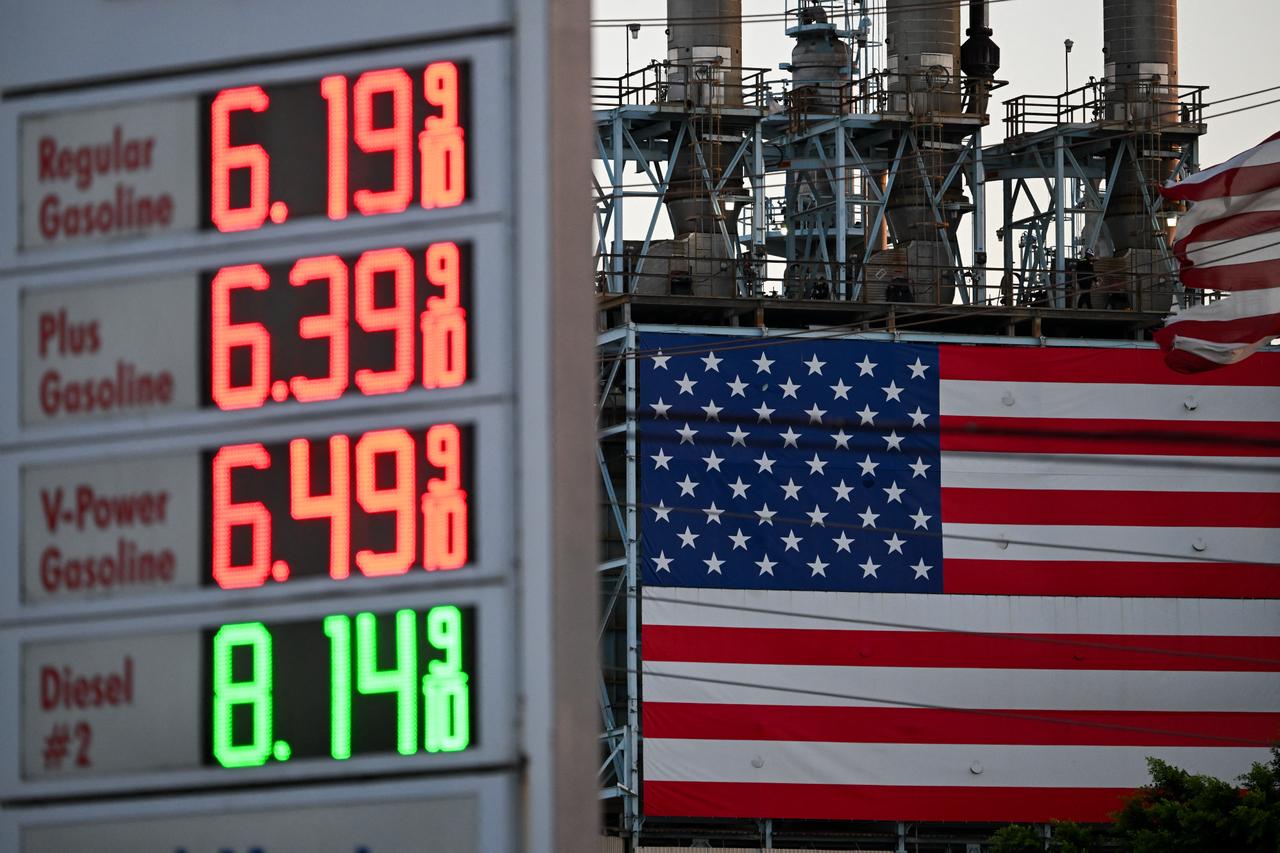
Crude prices rebounded sharply, reversing last week’s decline that followed a temporary ceasefire. Brent crude climbed to around $102 per barrel, while U.S. benchmark WTI rose to $104.5, widening its premium amid tightening supply conditions.
Stock markets across Asia closed lower as investors reacted to the escalation. Japan’s Nikkei 225 fell 0.8%, South Korea’s Kospi dropped 0.9%, China’s Shanghai Composite edged down 0.1%, and Hong Kong’s Hang Seng declined 1.2%.
Futures tracking European equities slipped about 1.5%, while major U.S. indices also moved lower.
Precious metals showed mixed signals. Gold dipped 0.5% to $4,730 per ounce, and silver declined 2% to $74.5. Palladium rose 0.5% to $1,520, while platinum eased slightly to $2,020.
Cryptocurrencies also weakened, with Bitcoin falling about 1% to $71,000 and Ethereum dropping to $2,190.

Weekend negotiations in Islamabad collapsed despite earlier signs of progress. The U.S. delegation, led by Vice President JD Vance, pointed to Iran’s refusal to abandon its nuclear program, while Tehran criticized shifting demands.
The breakdown undercut expectations of ending the six-week conflict, which has already driven energy prices higher and added pressure to global inflation.
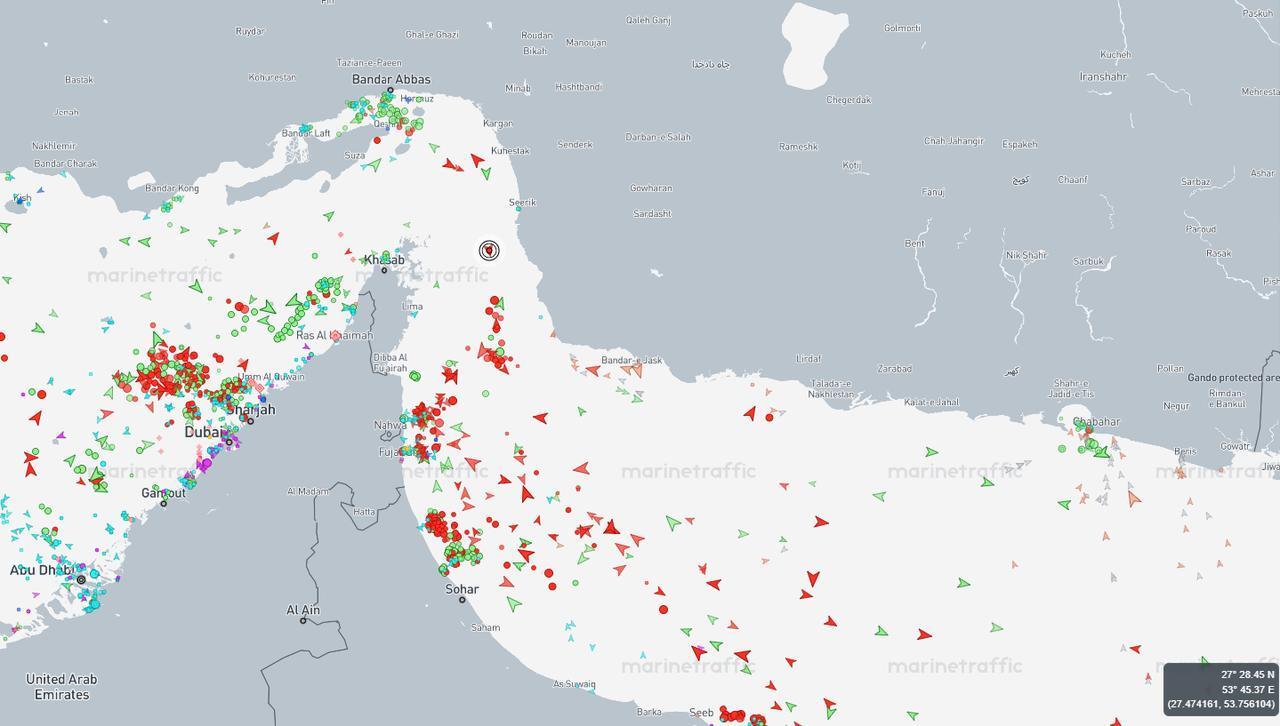
U.S. President Donald Trump escalated tensions by announcing a naval blockade targeting vessels linked to Iran. He specified that the measure would apply to ships traveling to or from Iranian ports.
The U.S. military later confirmed that it would begin blocking Iranian Gulf ports at 2 p.m. GMT Monday, effectively asserting control over maritime traffic in the region.
Investors are also monitoring developments in Lebanon, where Prime Minister Nawaf Salam indicated efforts to secure an Israeli withdrawal and end ongoing hostilities with Hezbollah.


 Set as preferred source
 Set as preferred source


 1 min read

 1 min read