Newsletters


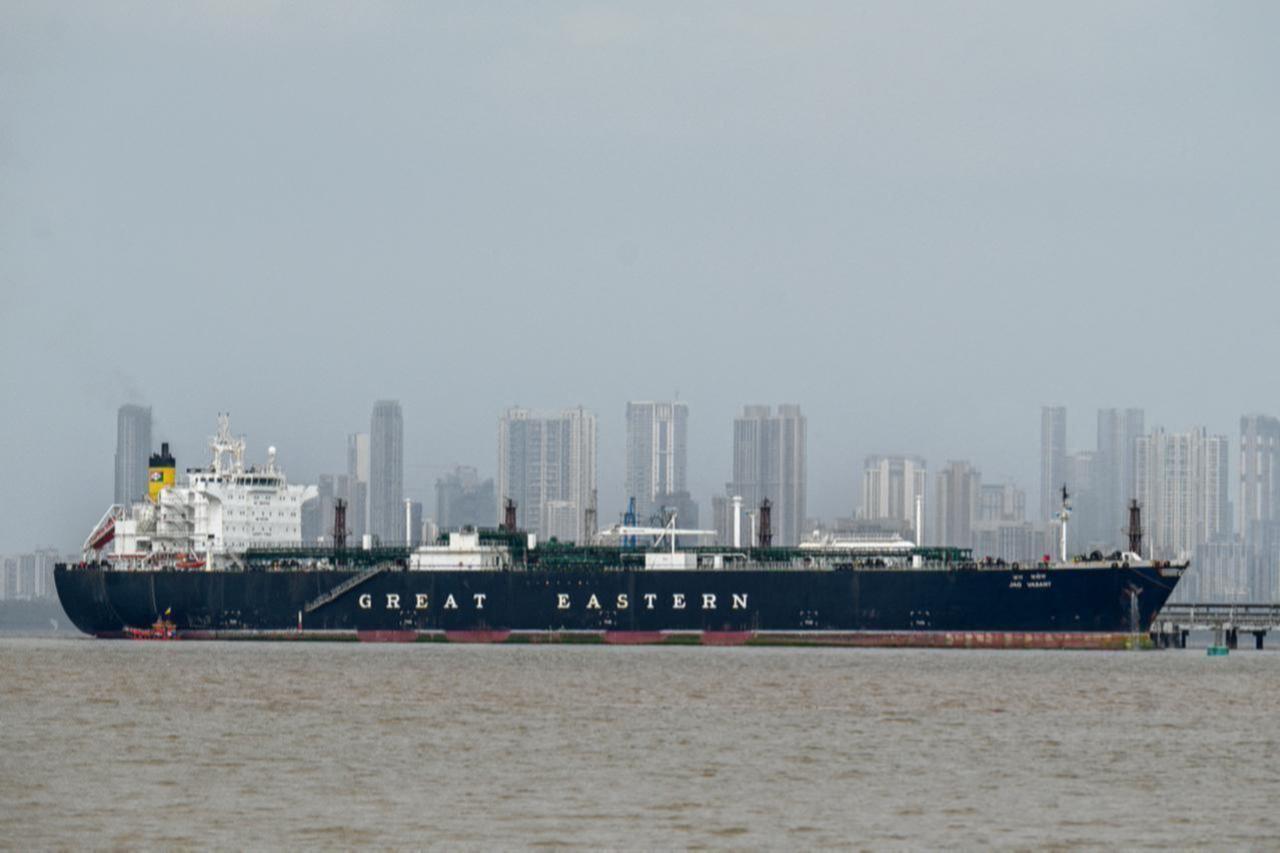


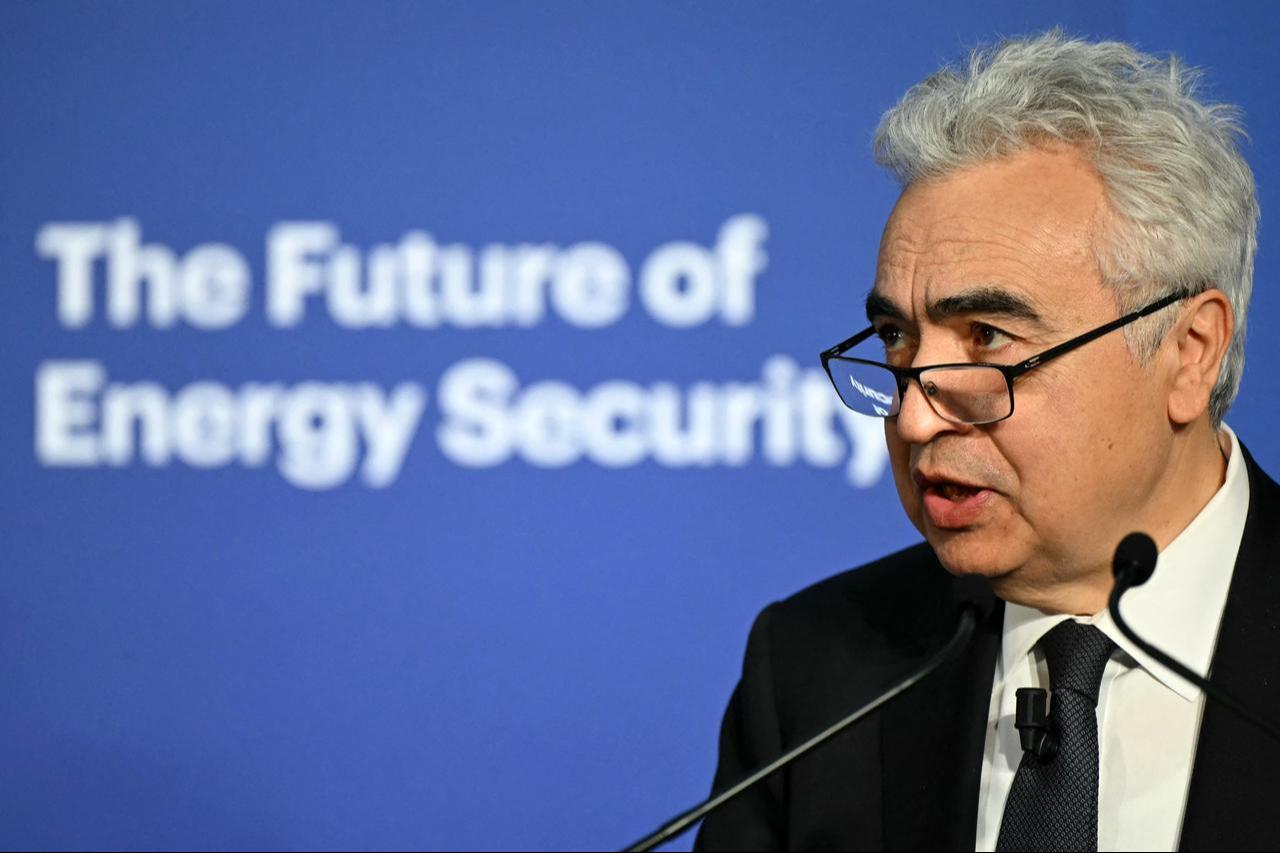
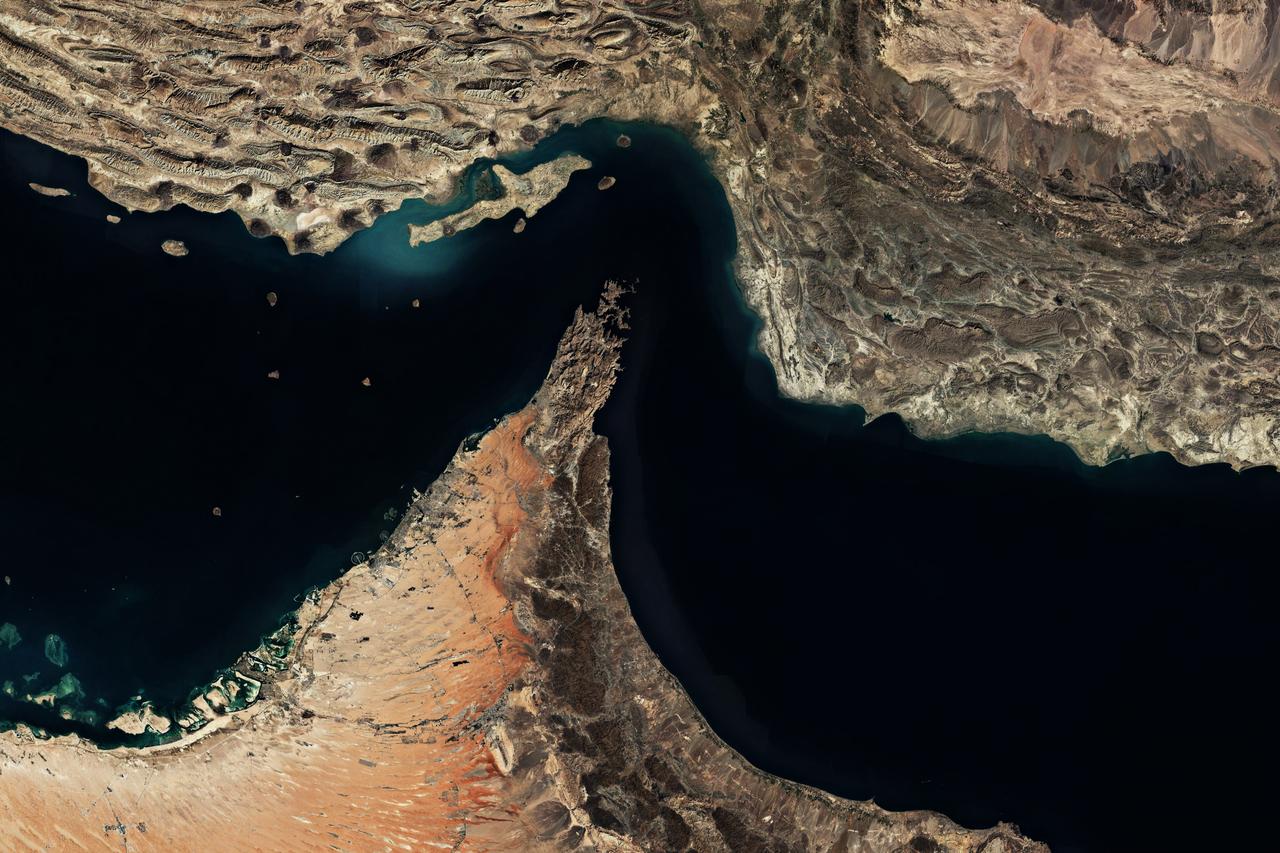
The closure of the Strait of Hormuz has knocked out 13 million barrels per day (bpd) of global oil supply, the International Energy Agency (IEA) head Fatih Birol indicated, warning that tapping emergency reserves will not resolve the crisis.
Speaking in Singapore, Fatih Birol said the disruption is the biggest energy security threat on record, stressing that any further releases would only provide temporary relief rather than resolving it.
"The cure is opening up the Strait of Hormuz," Birol emphasized.
Before tensions escalated, around 20 million barrels of oil and petroleum products passed through the strait each day, but that volume has now effectively been cut off. Birol described the situation as a "double-blockade," with neither Iran nor the United States allowing vessels to transit the route.
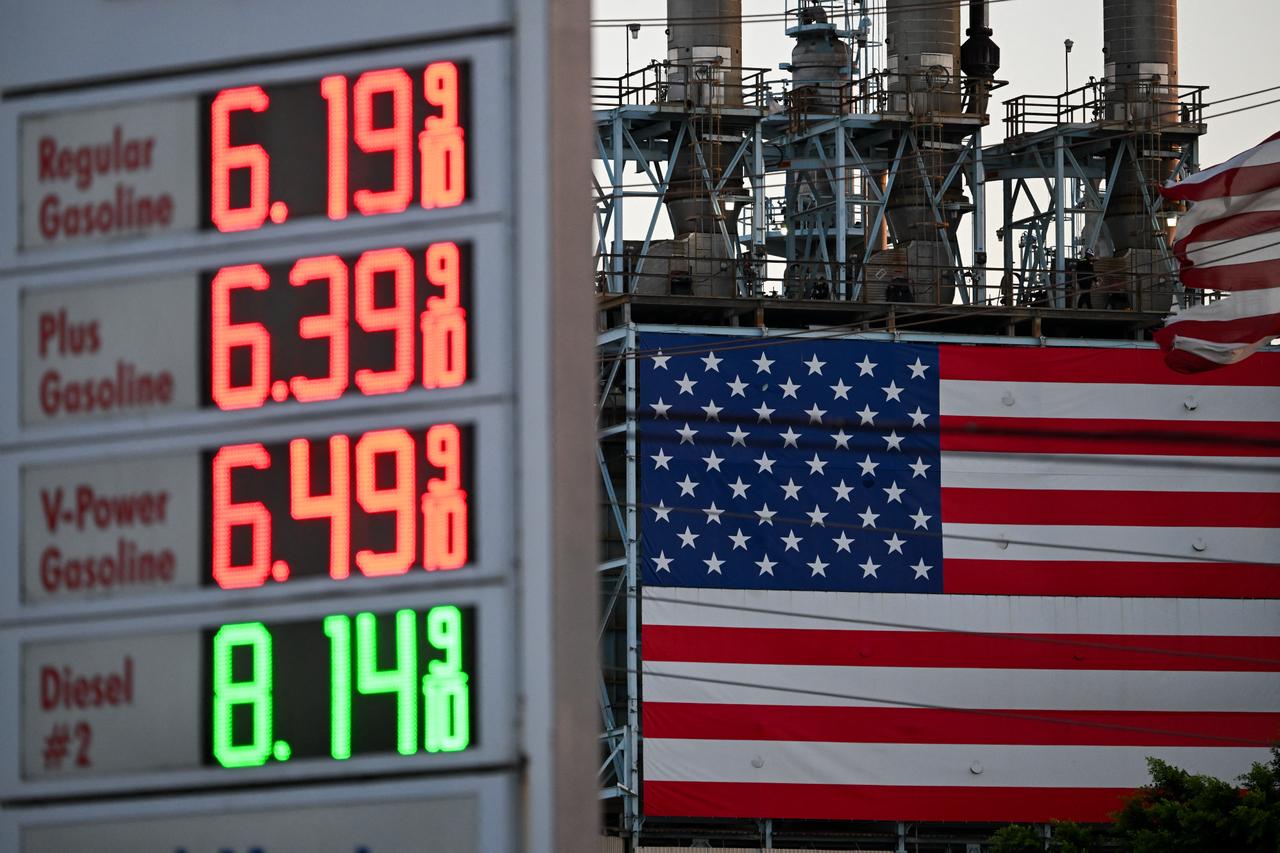
A prolonged shutdown, he added, could weaken economic growth, drive inflation higher, and force countries to consider fuel rationing.
To cushion the initial impact, the 32-member IEA agreed in March to release 400 million barrels of oil from emergency stockpiles, the largest release in its history. That move is helping stabilize markets in the short term, but Birol stressed it does not address the root cause.
"We are gaining some time, but I don’t claim that this will be a solution, our stock release," Birol told CNBC.

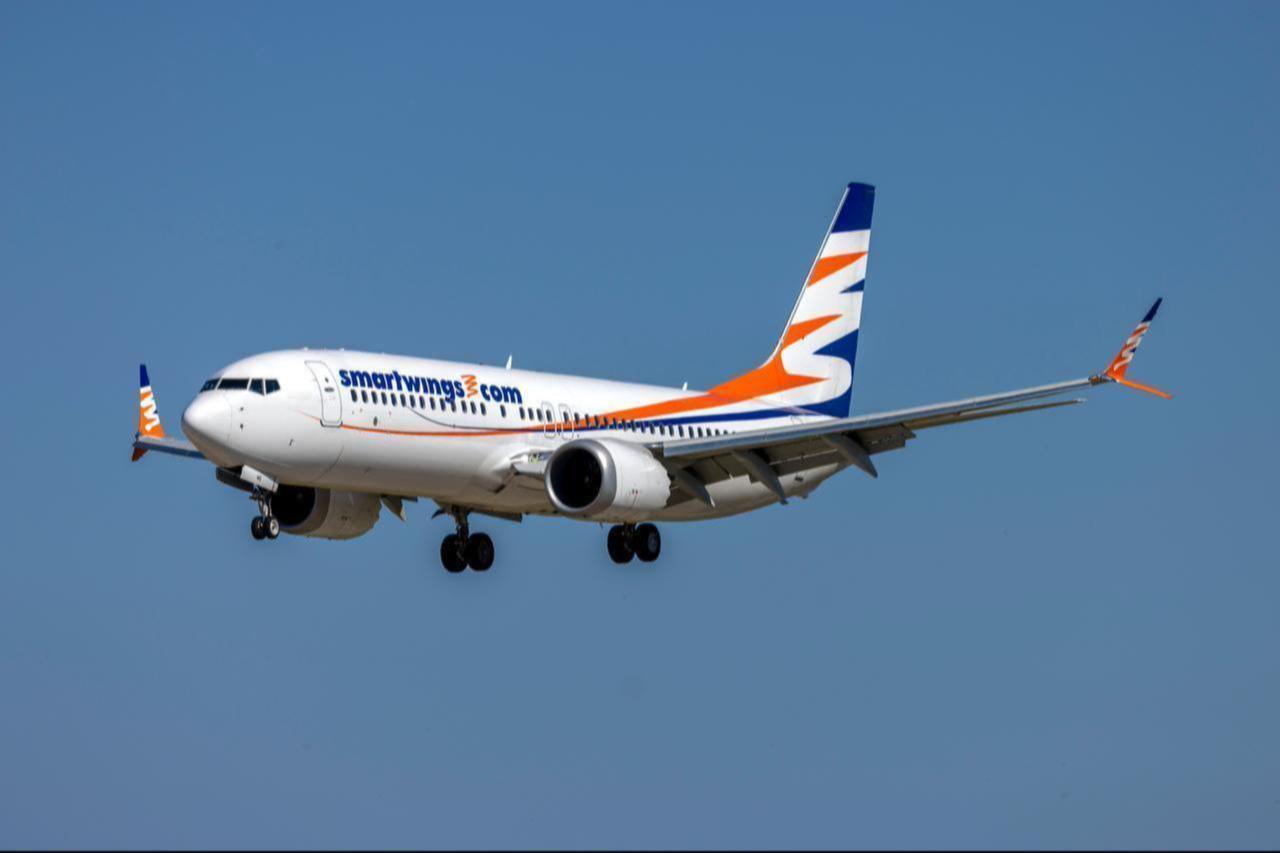
The fallout is quickly spreading to Europe’s aviation sector. The region has relied heavily on Middle Eastern refineries for jet fuel, but those supplies have now nearly vanished.
"Europe gets about 75% of its jet fuel from refineries in the Middle East and this is basically now zero," Birol noted, pointing to urgent efforts to secure cargoes from the United States and Nigeria.
If replacement supplies fall short, governments may need to step in, including potential limits on air travel, he added.
The crisis may also reshape energy strategies. Birol pointed to a likely push toward alternative sources, including nuclear power, renewables such as solar and wind, and wider adoption of electric vehicles. At the same time, some countries—particularly in Asia—could turn back to coal and other fossil fuels to offset immediate shortages.
However, the trajectory of the crisis hinges on whether the blocked maritime route can reopen and restore the flow of energy supplies, he said.


 Set as preferred source
 Set as preferred source


 1 min read
 1 min read