Newsletters


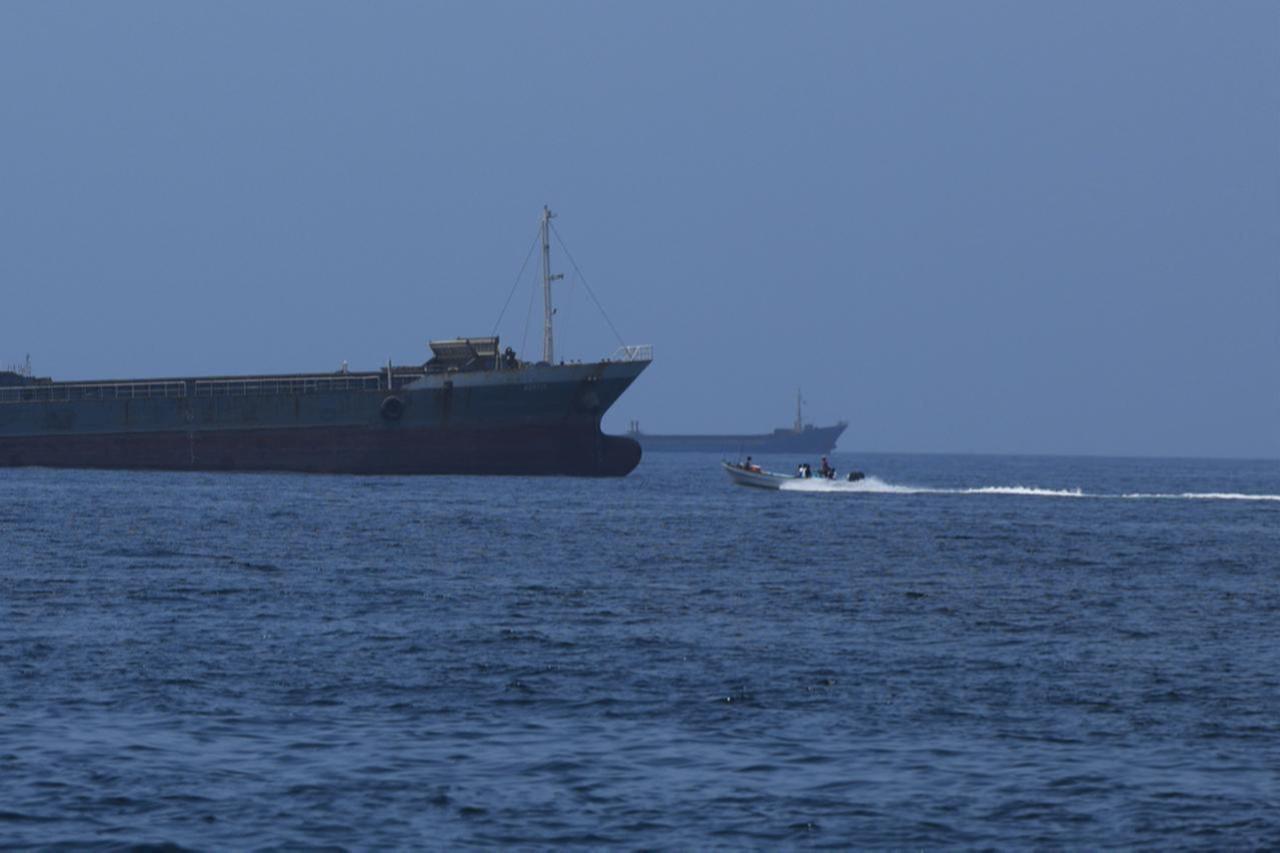


Oil prices tumbled more than 4% on Monday as reports of renewed diplomatic efforts between the U.S. and Iran raised hopes of ending the war and reopening the Strait of Hormuz, a key route for global energy shipments.
International benchmark Brent crude futures for January 2027 traded at $108.8 per barrel at 1:34 p.m. GMT, while U.S. benchmark West Texas Intermediate (WTI) crude futures for December 2026 stood at $99.7 per barrel.
European natural gas futures at the Dutch TTF hub for December 2026 traded at €98.3 ($110.3) per megawatt-hour at the same time.
The decline followed three days of discussions involving Iranian and Qatari officials over a possible agreement to end the U.S.-Israeli war on Iran. A draft proposal circulated among the parties, with another meeting possible in the coming days, according to the reports.
Axios reported that U.S. Vice President JD Vance had sent a letter to Iranian national security chief Mohsen Rezaei concerning possible new negotiations.
Iranian negotiators left Doha on Sunday, but an official familiar with the talks told Reuters that their departure did not indicate a breakdown in negotiations, while a follow-up meeting remains possible.
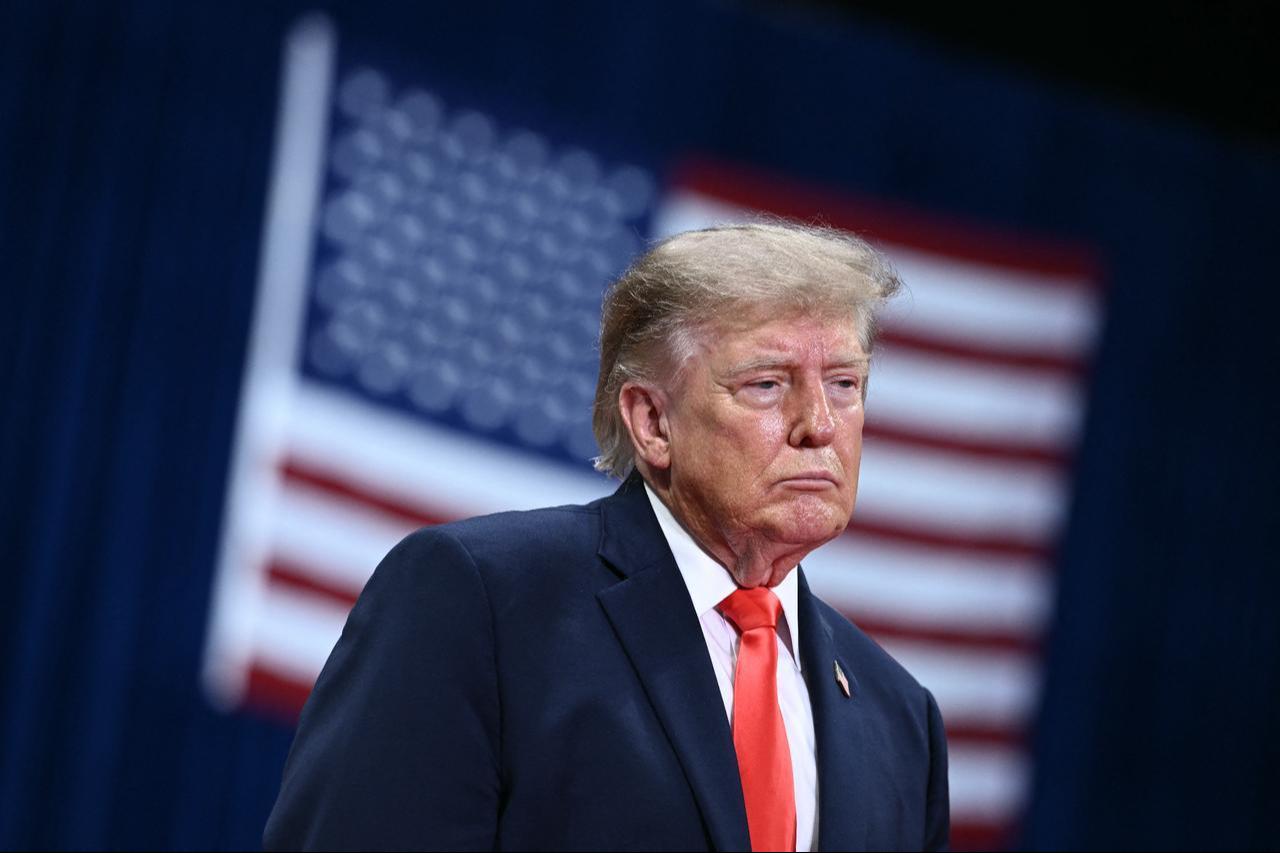
The diplomatic efforts came as U.S. President Donald Trump prepares for pivotal midterm elections on Tuesday. Brent crude had ended October at its highest level in six months as traders worried that the conflict could escalate after the vote.

Meanwhile, U.S.-based global bank Goldman Sachs raised its oil price forecasts amid persistent supply risks, warning that Brent crude could reach $140 per barrel in 2027 if Gulf oil production remained 3.5 million barrels per day below its 2025 average.
The bank identified intensified attacks on shipping, damage to energy infrastructure and a sustained geopolitical risk premium as potential drivers of further price increases.
The forecast highlights the uncertainty facing oil markets despite renewed hopes of a diplomatic settlement.
An agreement could ease supply pressures, but continued shipping disruptions and the risk of renewed military action leave prices vulnerable to further volatility.


 Set as preferred source
 Set as preferred source


 1 min read
 1 min read