Newsletters


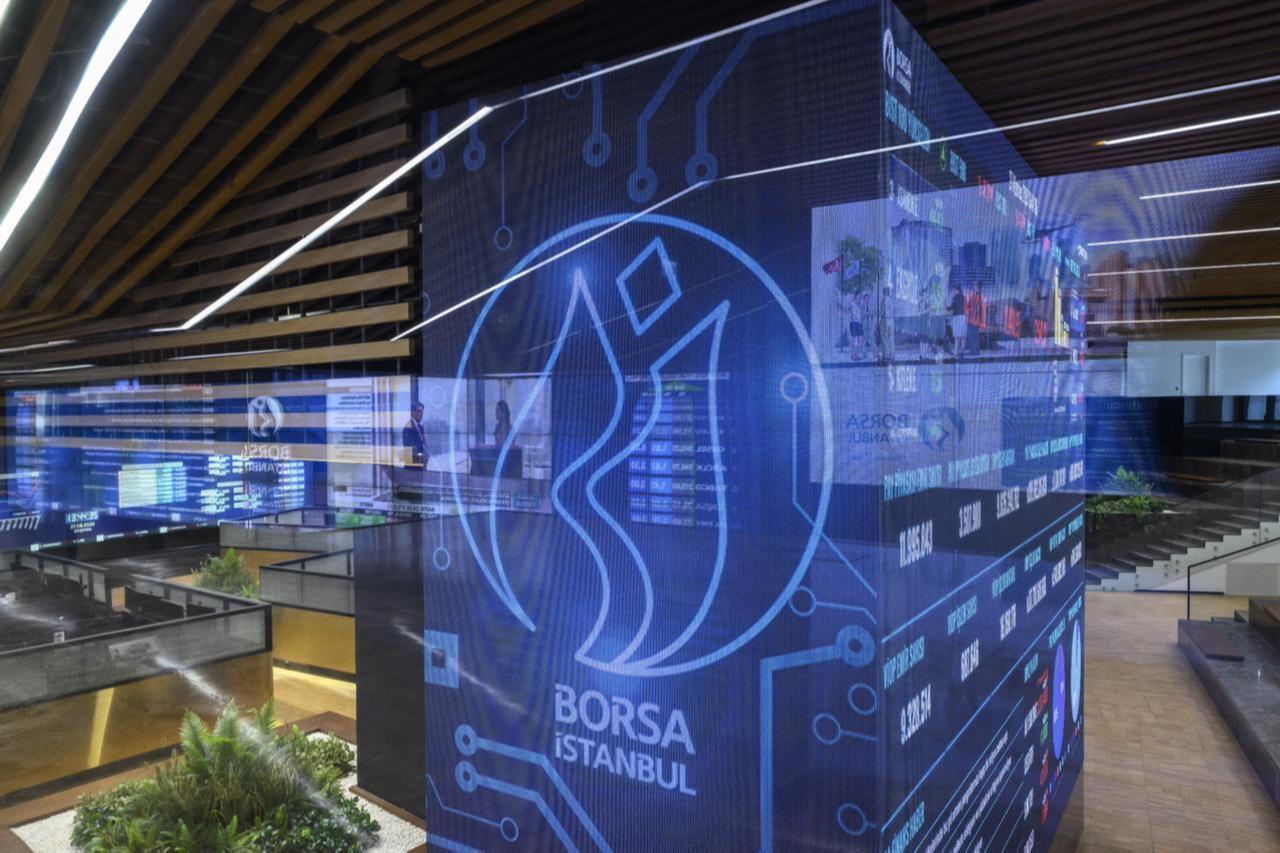


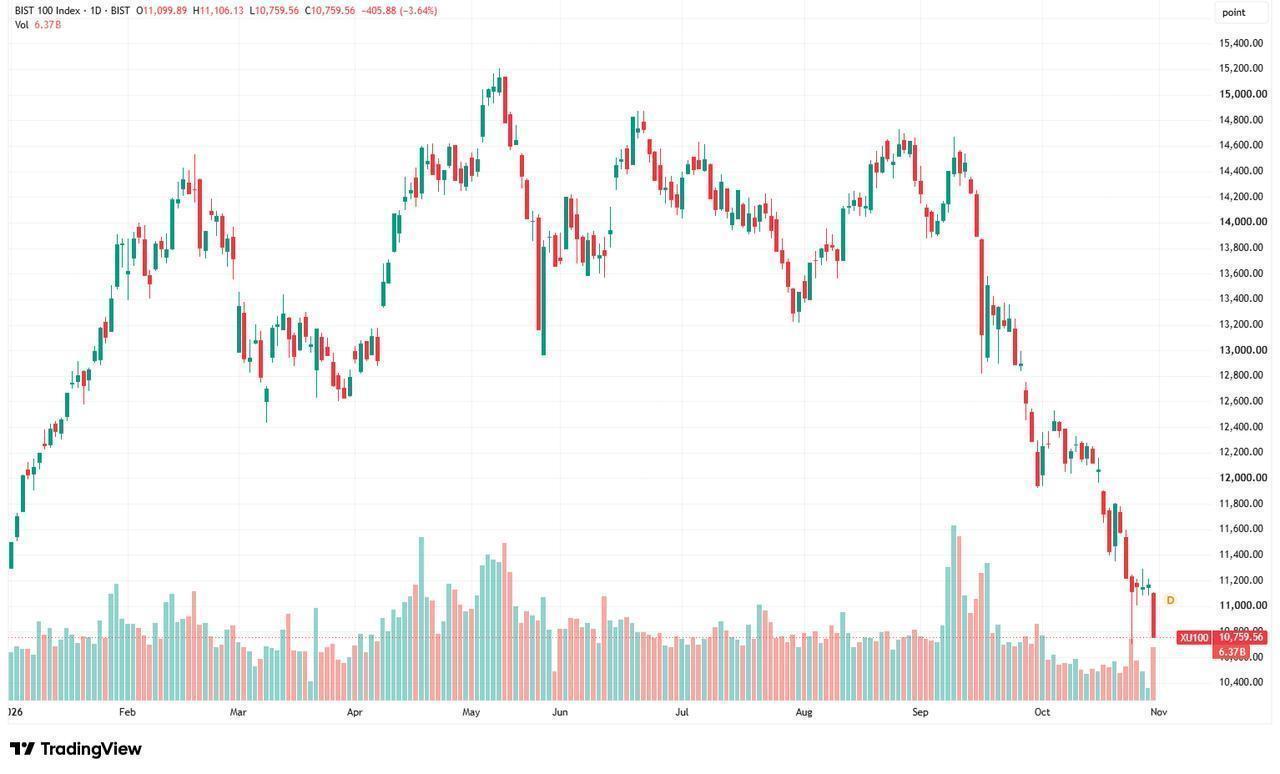
Türkiye’s stock market, Borsa Istanbul, has wiped out ₺6.4 trillion ($128 billion) in market capitalization in roughly six weeks after September's fund scandal spread across the exchange. The rout left just 12 stocks higher since mid-September and pushed the benchmark BIST 100 into seven consecutive weeks of losses for the first time in its history.
The scandal erupted after several investment funds failed to meet investor redemption requests, triggering a massive sell-off. Türkiye's Capital Markets Board (SPK) subsequently moved to order the liquidation of 131 investment funds within six months, affecting over 455,000 investors and an estimated combined asset base of ₺936.3 billion ($19.1 billion) at the time.
Borsa Istanbul’s total market capitalization has fallen from ₺20 trillion on Sept. 15 to ₺13.6 trillion at the close on Oct. 30, with ₺2.8 trillion wiped out in October alone. The damage has extended well beyond companies linked to the investment funds under liquidation, dragging down major Turkish businesses as investors face mounting losses.
The turmoil has hit shares heavily represented in the portfolios of investment funds undergoing liquidation particularly hard. Since Sept. 15, losses in some stocks have approached 97%, according to data compiled by ekonomim.com.
Ozata Denizcilik, Destek Finans Faktoring and Isiklar Enerji Yatirim Holding have each lost 96.5% of their value over roughly six weeks. Tera Yatirim Teknoloji Holding has followed with a 96.5% decline, while Bigen Enerji has fallen 96.3%.
Sixteen companies have lost more than 90% of their share value during the period, while 32 have recorded declines of at least 80%. Across the wider market, 135 stocks have fallen by 50% or more.
The turmoil has also dragged down major companies with no direct links to the funds under liquidation. Among the BIST 30's largest listed companies, only defense manufacturer Aselsan and lender Garanti BBVA have finished October higher, gaining 3.1% and 1.9%, respectively.
Fertilizer producer Gubre Fabrikalari has plunged 38.6%, while mining company TR Anadolu Metal Madencilik has lost 30%. Gold miner Turk Altin Isletmeleri has fallen 26.6%, followed by textile and polyester producer SASA, down 19.4%, and automaker Tofas, which has shed 19.4%.
Supermarket chains Migros and BIM have dropped 18% and 17%, respectively, while steelmakers Kardemir and Eregli have lost 17.8% and 17.5%. Turkish Airlines has fallen 14.5%, and low-cost carrier Pegasus has declined 15.5%.
The sell-off has erased ₺1.2 trillion from the combined market value of BIST 30 companies in October alone.

Financial leasing and factoring stocks have suffered the steepest losses, with their sector index plunging 89% between Sept. 15 and Oct. 30, including a 69.3% drop in October alone.
The initial public offering index, which tracks recently listed companies, has fallen nearly 70% over the same period, with a 38.9% decline last month, while the brokerage index has shed 63.1%.
The sell-off has also hit smaller companies hard. The BIST TUMY index, which tracks stocks outside the BIST 100, has fallen 51% since Sept. 15, including a 28% decline in October.
Indexes covering small and medium-sized industrial firms and technology companies have dropped 48.9% and 46.9%, respectively, over the same period, while the holding companies index has lost 38.9%.
Banking stocks have fared better than most sectors, with the liquid banking index down 8.5% since Sept. 15 and the broader banking index losing 9.7%. Both have also recorded smaller declines in October, falling 4.2% and 5.2%, respectively, compared with a 9.9% drop in the benchmark BIST 100.
The benchmark's monthly decline comes as losses spread across the market, with only 68 of the 628 stocks tracked finishing October higher.
Technology stocks have also fallen sharply since mid-September, despite a more limited 1.1% decline in their sector index during October.


 Set as preferred source
 Set as preferred source


 2 min read
 1 min read