Newsletters


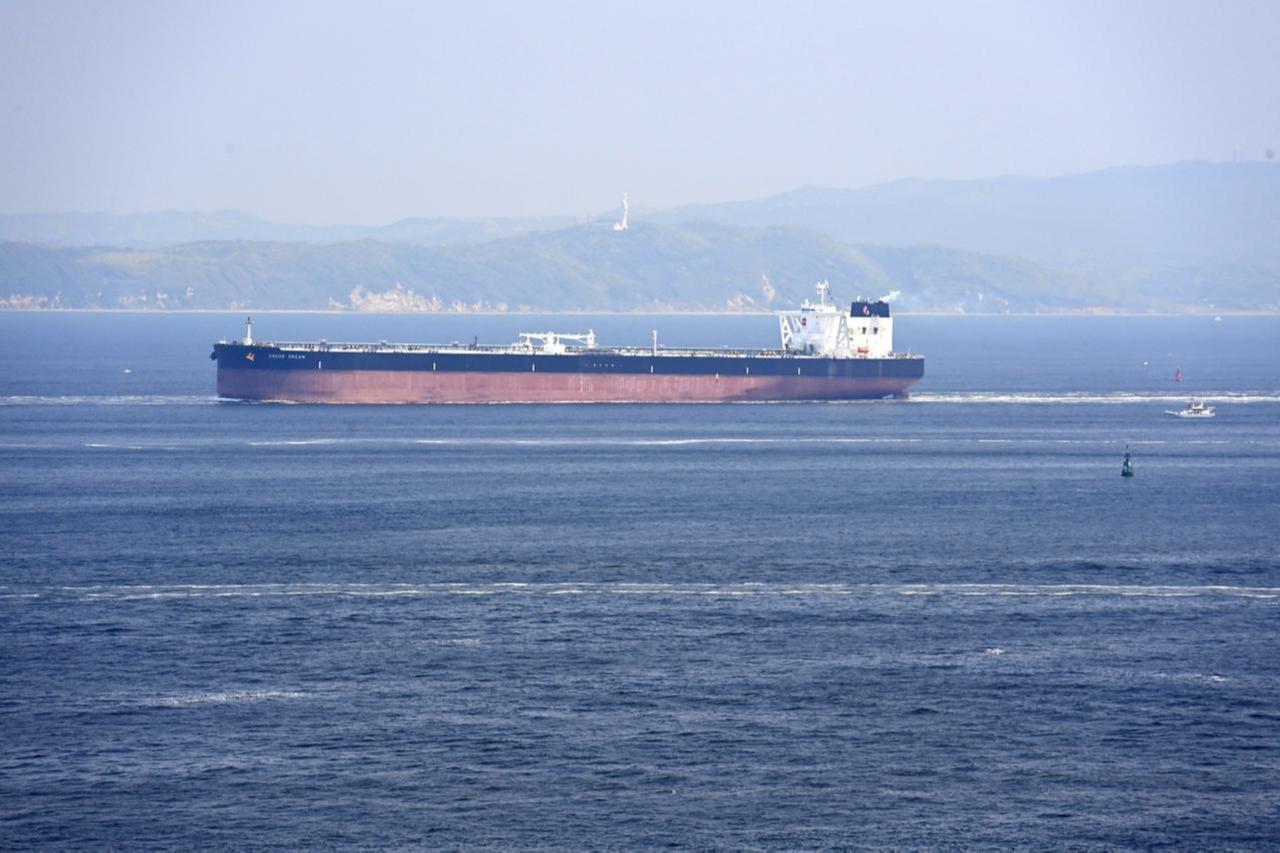


Oil prices moved higher on Tuesday after fresh U.S. strikes on Iranian targets near the Strait of Hormuz unsettled markets and tempered hopes for a near-term breakthrough between Washington and Tehran.
International benchmark Brent crude and U.S. benchmark West Texas Intermediate both climbed around 2% by 7:00 a.m. GMT, reaching $98 and $91.7 per barrel, respectively, as investors reacted to renewed tensions around one of the world’s most critical energy routes.
The rebound followed a sharp retreat in the previous session, when optimism surrounding possible negotiations between the United States and Iran had pushed oil below the $100 mark.
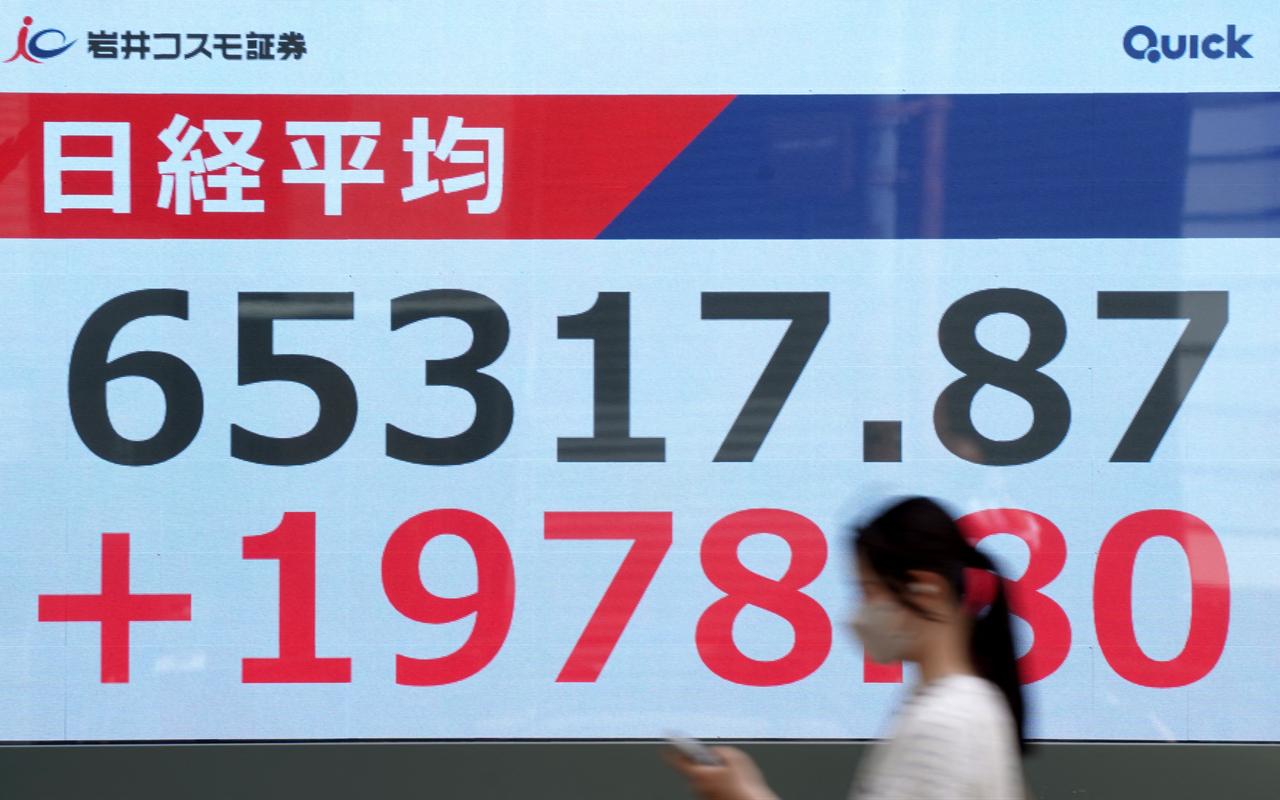
Asian stock markets showed limited reaction on Tuesday to the latest escalation. Japan’s Nikkei 225 slipped 0.3%, while South Korea’s Kospi jumped 2.6%. Hong Kong’s Hang Seng edged up 0.1%, whereas China’s Shanghai Composite index dipped 0.2%.
European markets delivered a mixed opening. The Stoxx Europe 600 index remained flat, while Germany’s DAX 30 lost 0.1%, France’s CAC 40 fell 0.3%, and Spain’s IBEX 35 declined 0.1%. Britain’s FTSE 100 rose 0.7%, while Türkiye’s BIST 100 gained 0.6%. U.S. futures tied to all three major indexes also pointed higher.
Precious metals and cryptocurrencies, meanwhile, came under pressure.
Gold dropped 0.8% to $4,530 per ounce after Monday’s gains, while silver slid 2.3% to $76.3. Palladium and platinum each moved lower by around 1%. Bitcoin and Ethereum both lost 0.8%, with the overall cryptocurrency market capitalization retreating 0.7%.

The United States and Iran have been working toward a deal to end the conflict and reopen the Strait of Hormuz since a fragile cease-fire took effect on April 8.
Markets had welcomed reports that an agreement could be close, pushing stocks higher and oil prices lower on Monday. But sentiment shifted after U.S. forces struck missile sites in southern Iran and targeted boats allegedly trying to lay mines.
Both Washington and Tehran signaled that negotiations were still ongoing, though neither side suggested a breakthrough was imminent.
U.S. President Donald Trump said any agreement with Tehran would either be "great and meaningful" or result in "no deal" at all. Iranian Foreign Ministry spokesperson Esmaeil Baqaei confirmed progress in talks but noted that a final deal had not yet been reached.
Following the recent attacks, Iran warned it could respond more forcefully if fighting resumes. Armed Forces spokesperson Brig. Gen. Abolfazl Shekarchi told Al Jazeera that Tehran could block oil shipments from the region if Iranian exports come under threat.
He also said Iran had identified additional targets in case of renewed U.S. or Israeli strikes, warning that any future response could be broader and more intense.


 Set as preferred source
 Set as preferred source


 1 min read
 1 min read