Newsletters


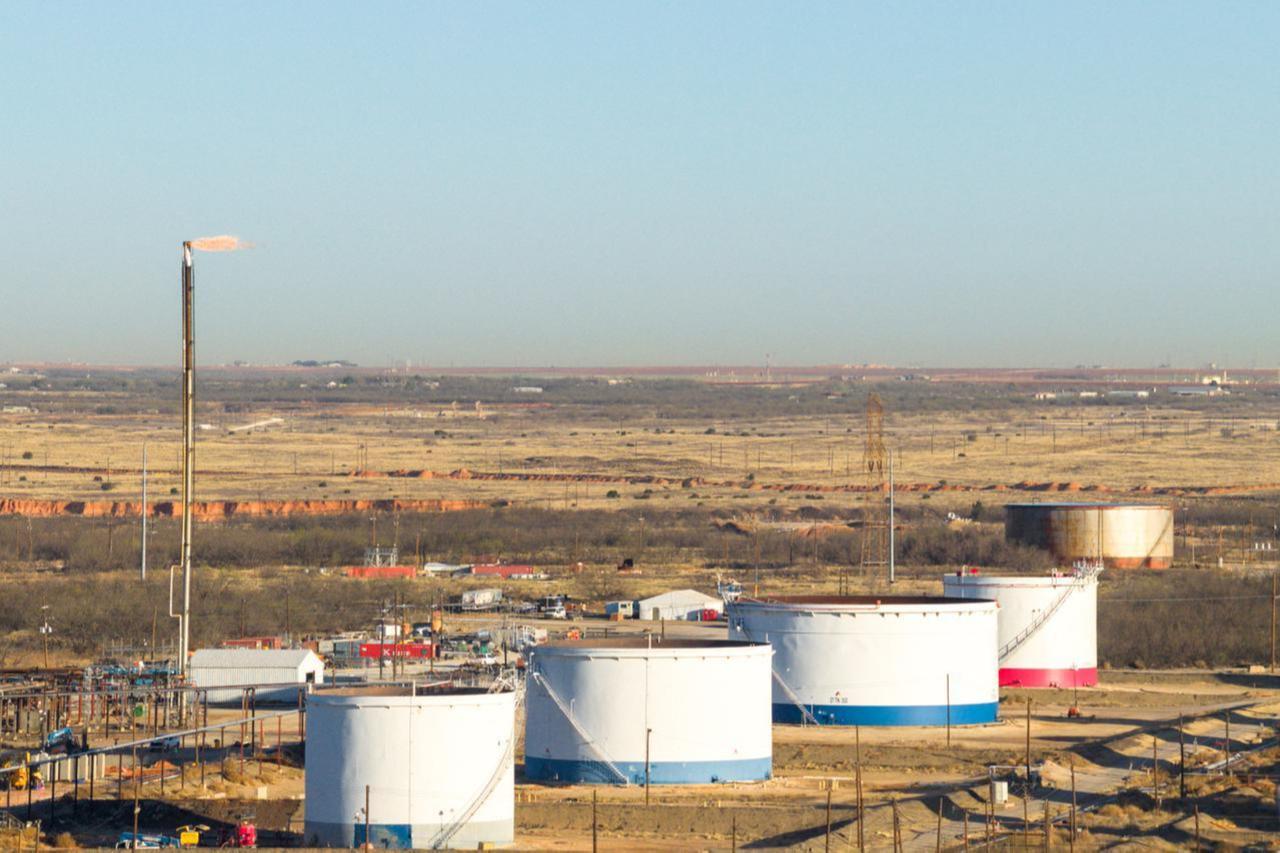


Oil extended its losses on Tuesday to its lowest level since mid-March, and global markets continued to rise as investors hailed the U.S.-Iran deal to end the conflict, which is due to be signed on June 19 in Geneva.
Both international benchmark Brent and U.S. benchmark WTI declined more than 1% to $82.3 and $80 per barrel, respectively, as of 7:30 a.m. GMT, as traders priced in reduced tensions in the Middle East and a return to more stable energy supplies.
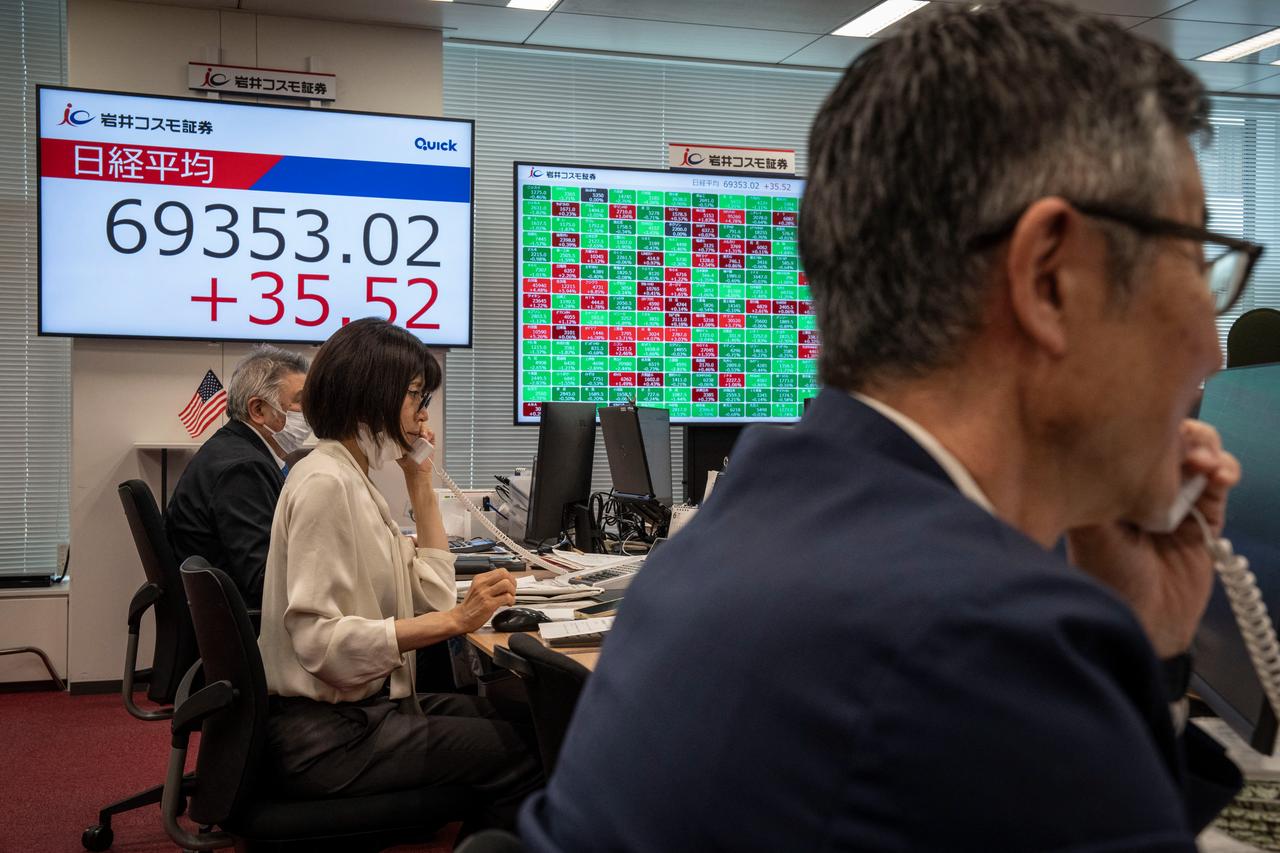
Japan's Nikkei 225 finished 0.13% higher at 69,404.50 before later moving above the 70,000-point mark for the first time, despite the Bank of Japan hiking interest rates by 25 basis points to 1%, a 31-year high, citing inflationary pressures stemming from higher energy costs.
South Korea's KOSPI jumped 2.1%, although Hong Kong's Hang Seng fell 1.6% and China's Shanghai Composite slipped 0.1%.
In early European trading, the Stoxx Europe 600 gained 0.1%. Germany's DAX 30 added 0.2%, while France's CAC 40 and Spain's IBEX 35 each rose 0.3%. Britain's FTSE 100 advanced 0.1%, and Türkiye's BIST 100 edged up 0.3%.
Gold climbed 0.5% to $4,330 per ounce, while silver slipped 0.1% to $69.9. Palladium held steady at $1,320, and platinum rose 0.7% to $1,780 per ounce.
Cryptocurrencies also moved higher. Bitcoin gained 1% to $66,290, while ethereum advanced 3.2% to $1,770. The total cryptocurrency market capitalization expanded 1.3% to $2.3 trillion.

Investors have increasingly turned their attention to the expected signing ceremony in Geneva on June 19, a move widely viewed as a major step toward ending a conflict that has shaken energy markets and fueled inflation concerns worldwide.
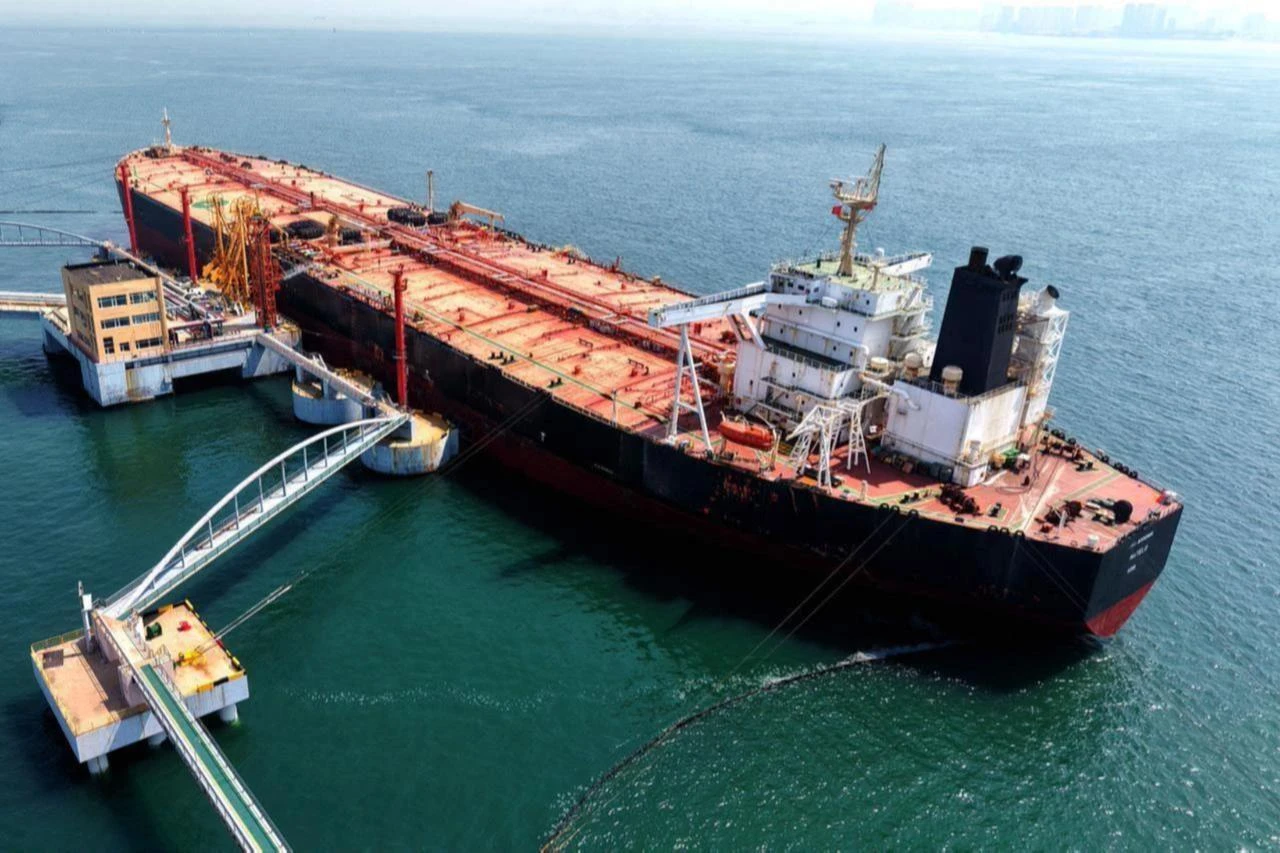
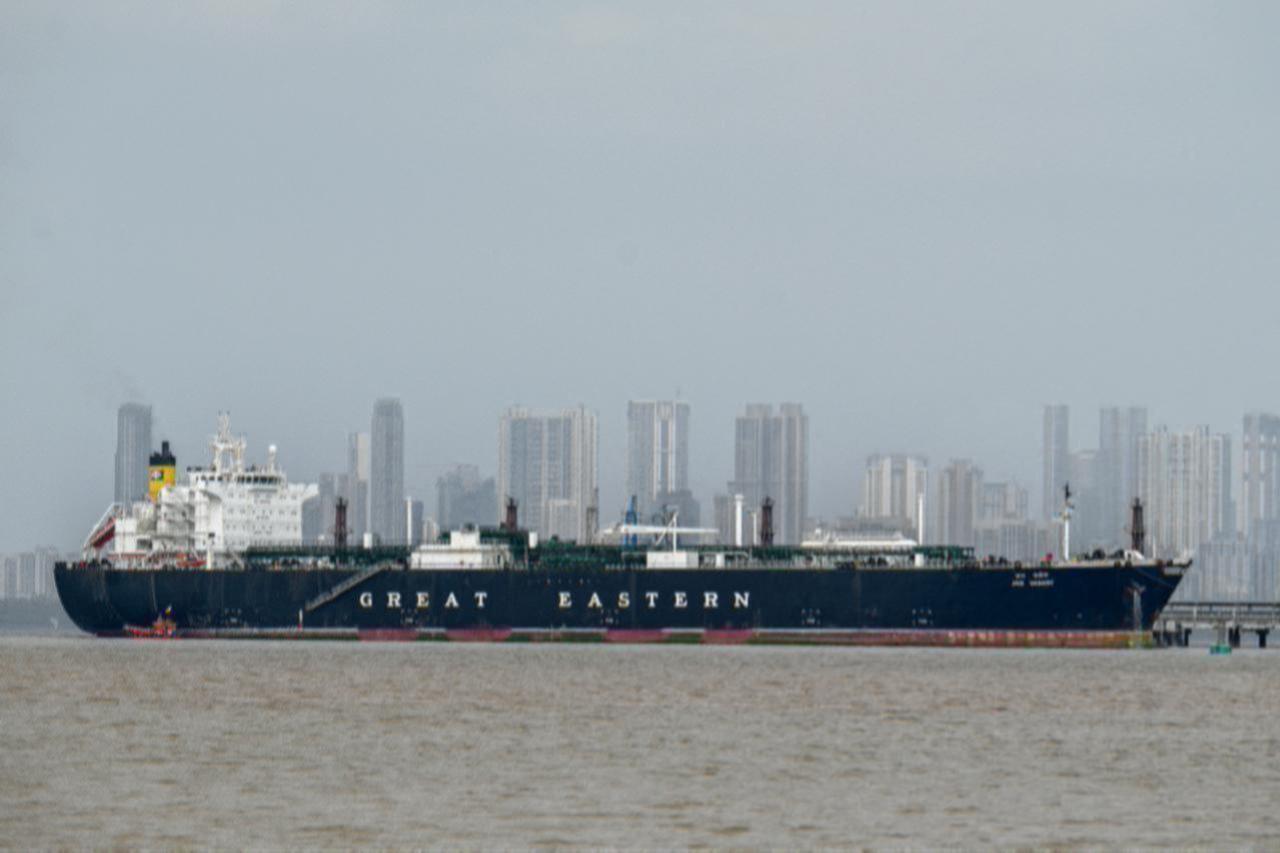
U.S. President Donald Trump said shipping traffic had resumed through the Strait of Hormuz and that it would be "completely open" by Friday. Iranian media reported that three oil tankers and two cargo vessels had already passed through the area, which had previously been affected by a U.S. naval blockade.
A senior U.S. administration official indicated that Trump, Vice President JD Vance and Iranian parliamentary speaker Mohammad Bagher Ghalibaf had already signed the agreement electronically.
The reopening of the Strait of Hormuz, which handled roughly one-fifth of global energy flows before the conflict, is expected to ease pressure on energy markets, reduce inflation fears and improve financial conditions globally.


 Set as preferred source
 Set as preferred source


 2 min read
 1 min read