Newsletters


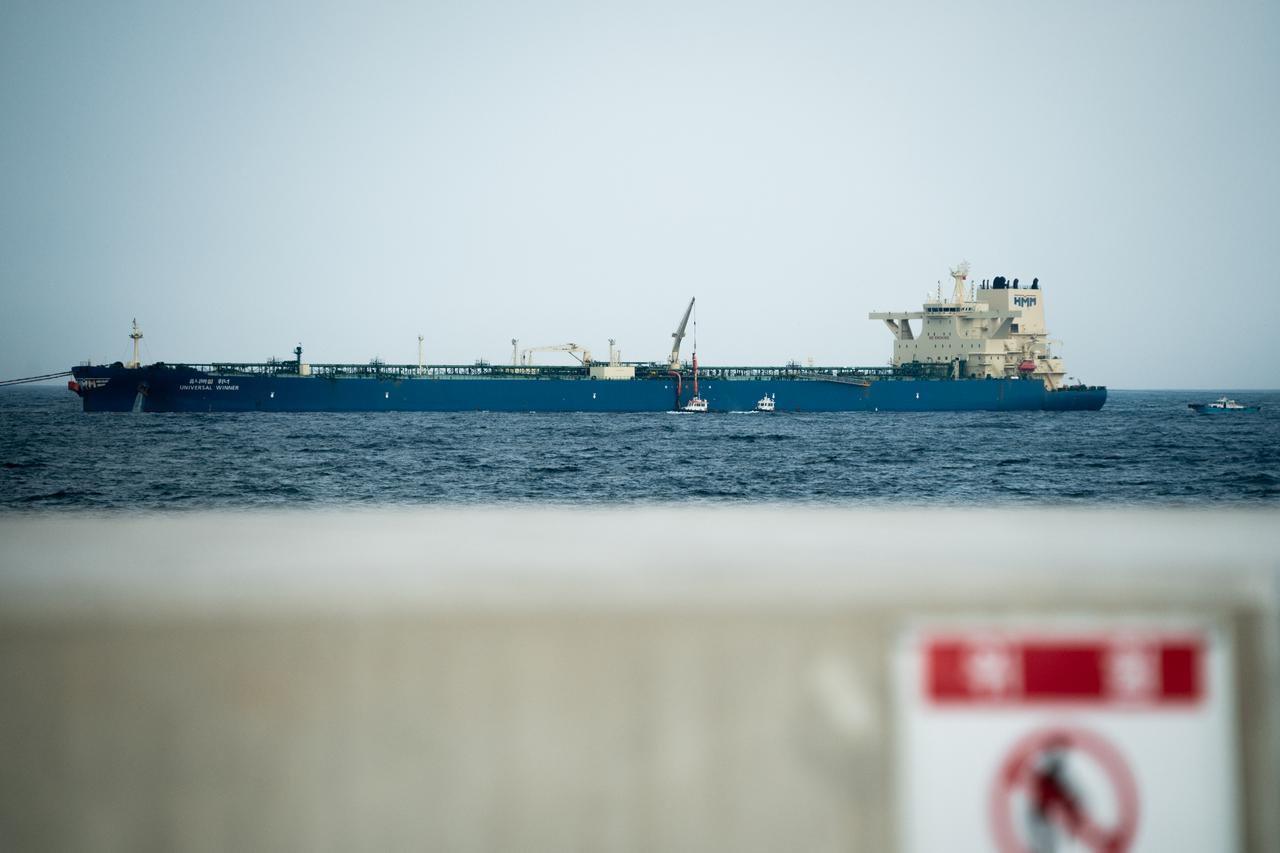


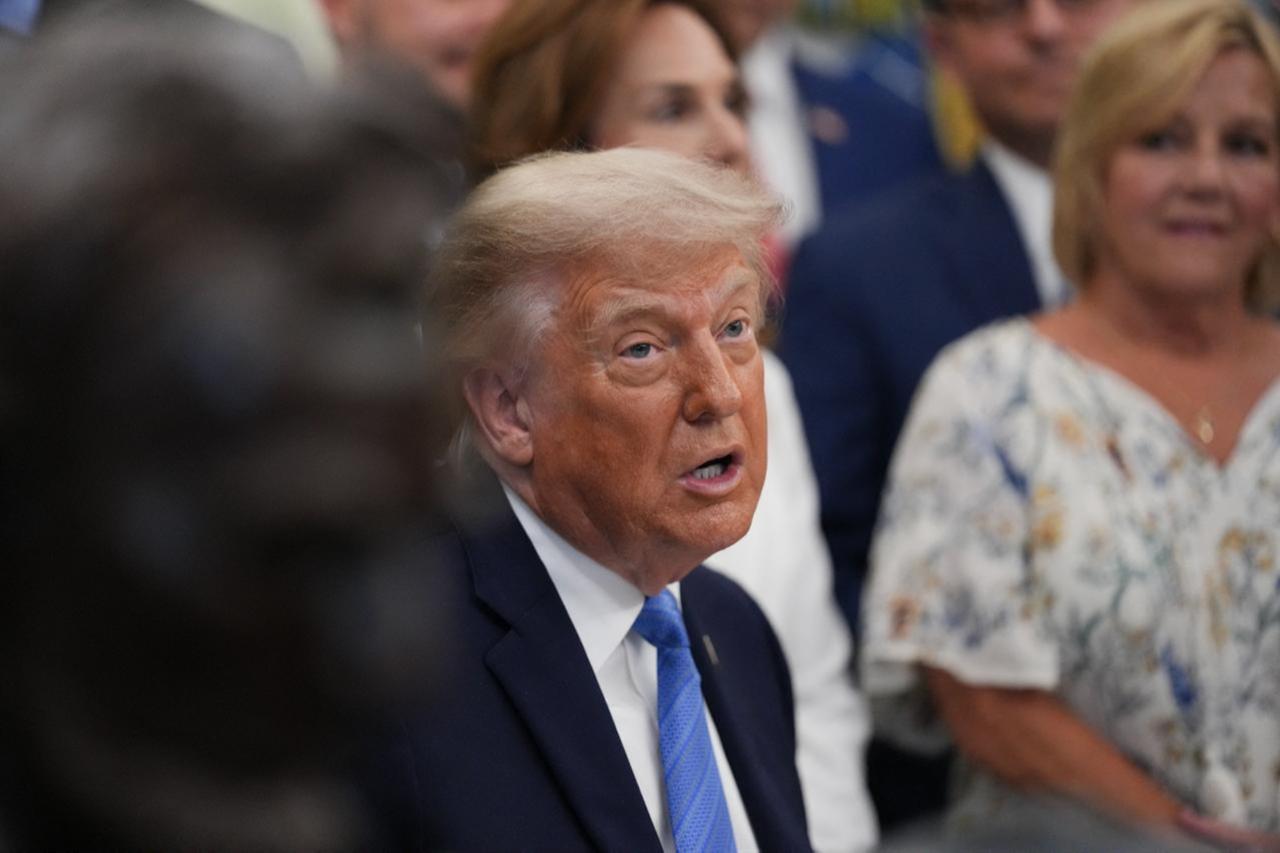
United States President Donald Trump said Sunday that the agreement reached with Iran would ensure the Strait of Hormuz remains “permanently toll free” and warned that military attacks on Tehran could resume if a final nuclear accord is not reached.
In an interview with The New York Times, Trump said the agreement would ultimately guarantee that the strategic waterway remains open without tolls.
He also said that if Iran failed to conclude a final nuclear agreement with the United States, Washington would either restart military operations against Tehran or make itself “the guardian of the Middle East” in exchange for 20% of the region’s revenues.

The interview came after Pakistani Prime Minister Shehbaz Sharif announced early Monday that the United States and Iran had reached an agreement following intensive negotiations, declaring an immediate and permanent end to military operations across all fronts, including in Lebanon.
Trump later confirmed the breakthrough, writing on his Truth Social platform that the deal was “now complete.”
“Congratulations to all! I hereby fully authorize the toll-free opening of the Strait of Hormuz, and, simultaneously herewith, authorize the immediate removal of the United States Naval blockade. Ships of the World, start your engines. Let the oil flow!” he wrote.
During the interview, Trump said the agreement was reached despite objections from Israeli Prime Minister Benjamin Netanyahu.
“He’s a very difficult guy,” Trump said of Netanyahu. “And to be honest with you, he should be very thankful to us for doing this. Because if Iran had a nuclear weapon, Israel wouldn’t be around for two hours.”
Israeli warplanes struck Beirut’s southern suburbs early Sunday, killing at least three people and injuring 15 despite an existing ceasefire. Trump criticized the attack, saying it “should not have happened” while Washington and Tehran were nearing a peace agreement.
Trump also argued that his decision to launch strikes against Iran in late February, together with the subsequent U.S. naval blockade imposed after Tehran closed the Strait of Hormuz, had reshaped the regional balance of power in America’s favor.
Although the full terms of the agreement have not yet been released, Trump’s comments appeared to refer to commitments that have either not been formally accepted by Iran or remain subject to future negotiations, according to The New York Times.
The memorandum of understanding reportedly suspends tolls in the Strait of Hormuz for 60 days before launching a regional dialogue on its long-term administration.
Trump contrasted the emerging framework with the 2015 nuclear agreement negotiated under former President Barack Obama, arguing that the new arrangement would ensure Iran “cannot develop or purchase a nuclear weapon.”
According to The New York Times, Trump said negotiations were continuing over whether Iran would suspend uranium enrichment for 20 years, while indicating he might ultimately accept a 15-year suspension provided enrichment remained permanently limited to low levels that “could never be used by the military.”
Throughout months of negotiations led by U.S. special envoy Steve Witkoff and Trump’s son-in-law Jared Kushner, Iranian officials have repeatedly insisted that Tehran will not relinquish what it considers its treaty-based right to enrich uranium for civilian purposes.
The 2015 agreement similarly limited Iran’s enrichment activities to low levels. However, after Trump withdrew the United States from the accord in 2018, Tehran gradually exceeded those restrictions and expanded its enrichment program, eventually producing uranium enriched to 60% purity.


 Set as preferred source
 Set as preferred source


 1 min read
 1 min read