Newsletters


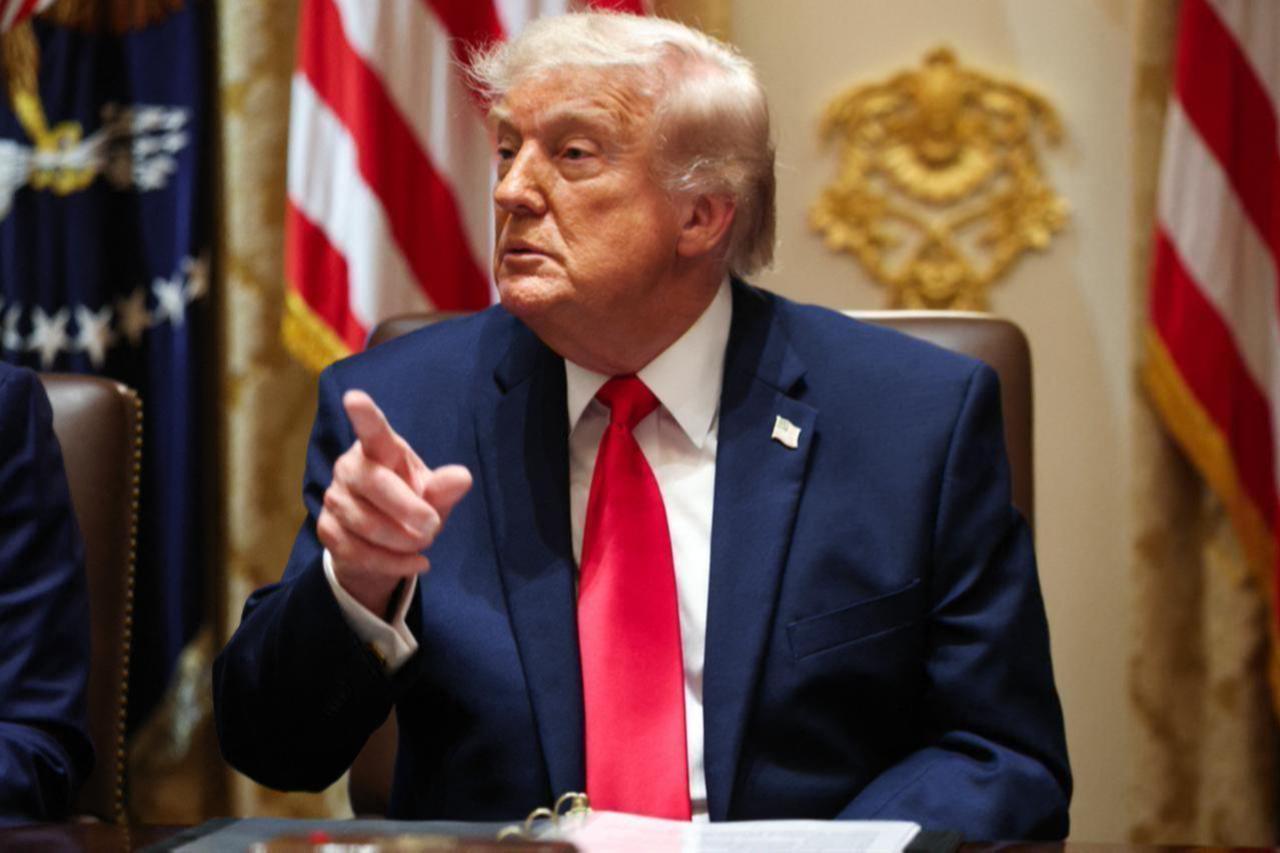


U.S. President Donald Trump, Vice President JD Vance, and Iranian Parliament Speaker Mohammad Bagher-Ghalibaf electronically signed a memorandum of understanding on Sunday to end more than 100 days of war between the United States and Iran, senior U.S. officials confirmed Monday.
A formal in-person signing ceremony is scheduled for Friday, June 19, in Geneva, where Vance, presidential adviser Jared Kushner, and special envoy Steve Witkoff will lead a large American delegation alongside a substantial Iranian contingent.
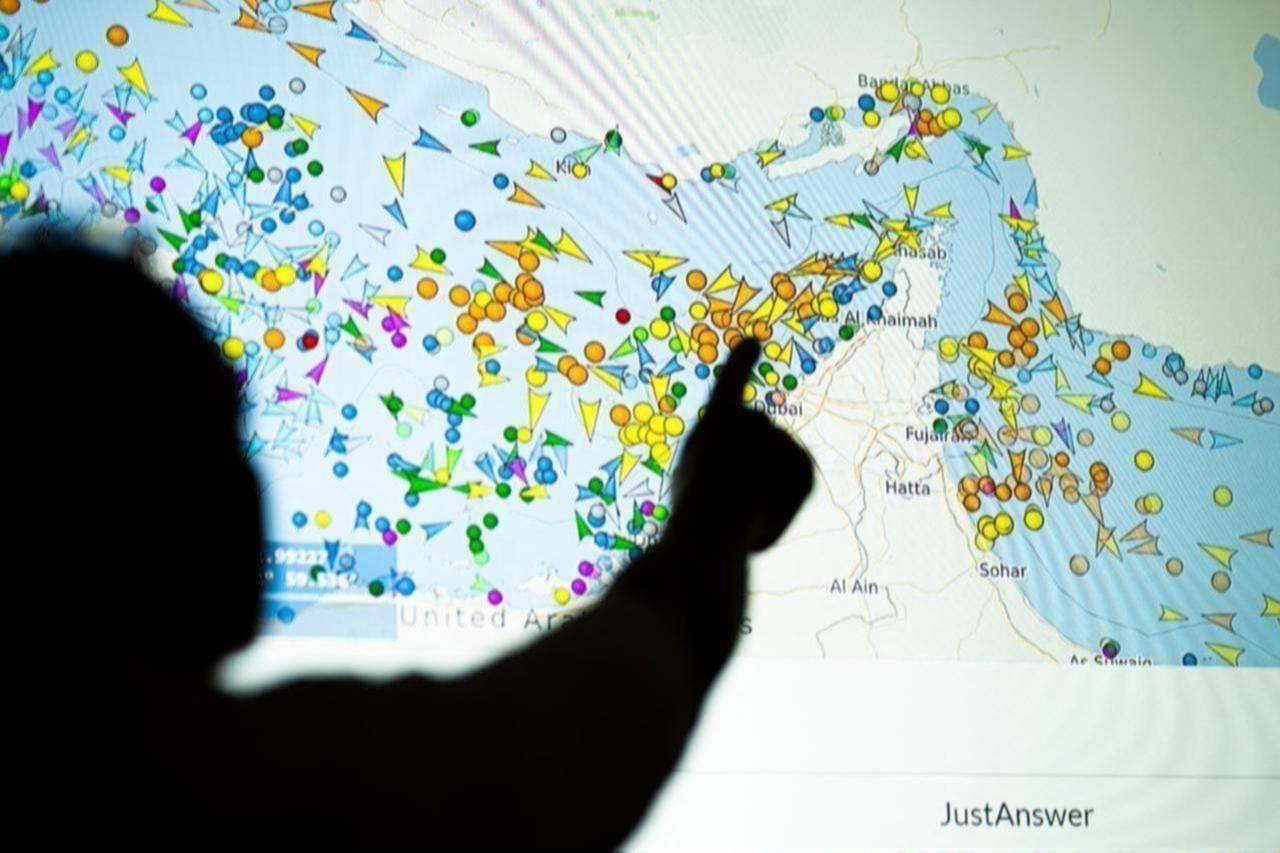
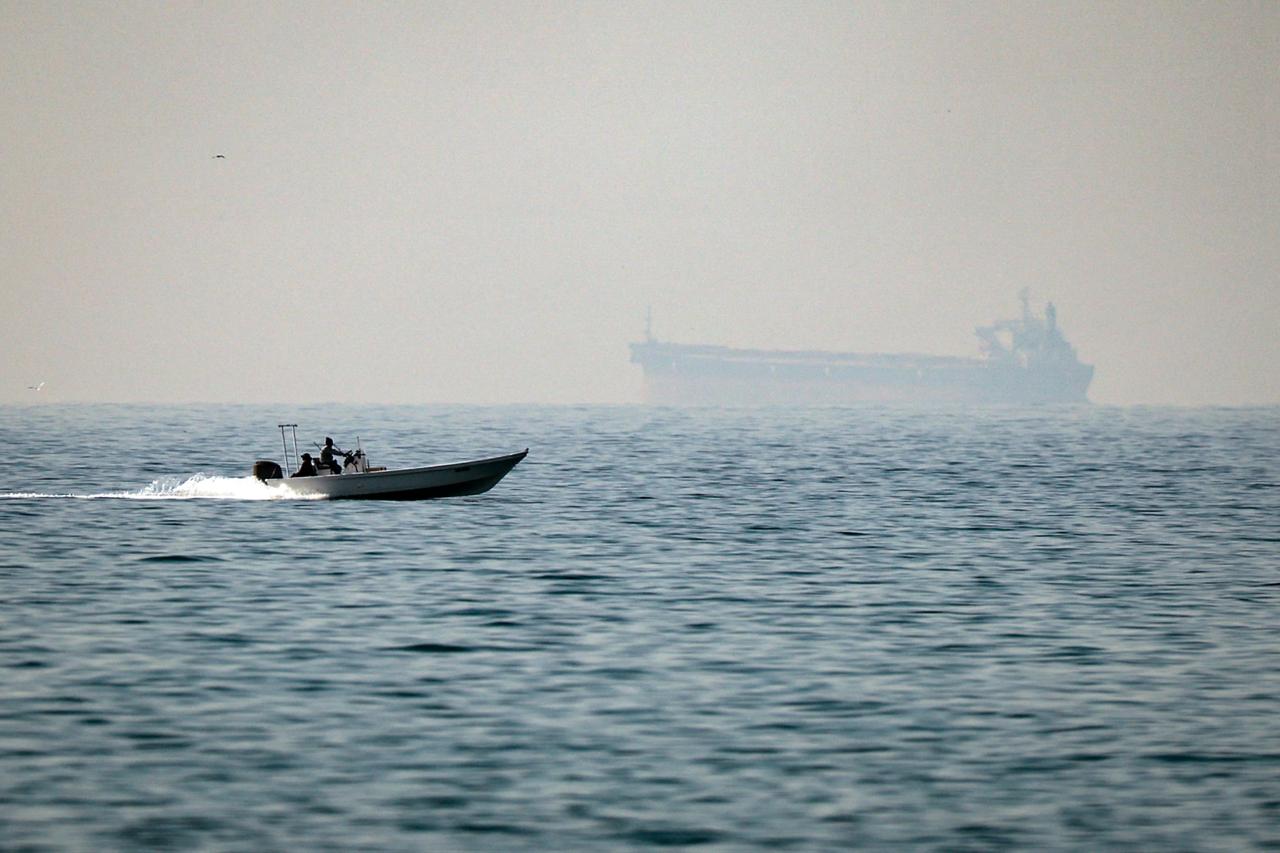
The MOU calls for an immediate and permanent cessation of military operations on all fronts, including Lebanon, and mandates the opening of the Strait of Hormuz, which Iranian forces had effectively blockaded since the conflict began in late February.
Trump announced on social media Monday that he was authorizing the toll-free opening of the strait and the simultaneous removal of the U.S. naval blockade of Iranian ports.
Officials cautioned, however, that full normalization of shipping would take several weeks, with one official noting that traffic through the strait had already begun to increase and would "ramp up slowly over time." The presence of sea mines was cited as one complicating factor.
"We already signed the deal digitally yesterday," Vance confirmed during an appearance on ABC's "Good Morning America" Monday morning.
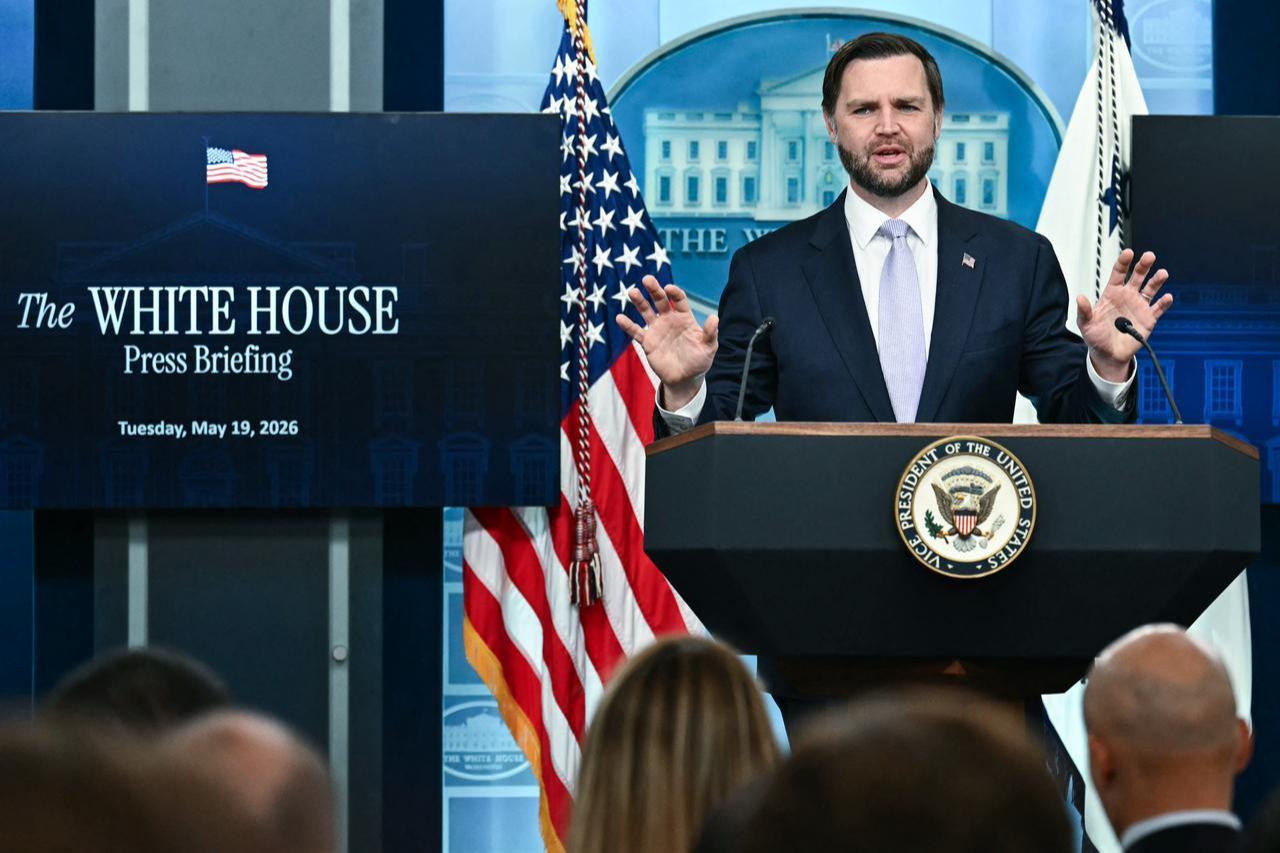

Senior officials stressed that the MOU is only a first step and that substantive technical negotiations will begin later this week, led by Vance. The full text of the document is expected to be released within 24 to 48 hours.
Officials were emphatic that the agreement is structured around conditionality. "In general terms, the deal says if you're willing to behave like a normal country, we're willing to treat you like a normal country. It's performance-based," one official said.
Vance reinforced that framing, saying that Iran "doesn't get a dime of money unless they perform their obligations," and that the financial dimension of the deal is fundamentally sanctions relief, not direct payments. As of Monday, Iran had not received any frozen assets from the United States or other countries.
Officials said the deal is not "pay for play" and that Iran will not gain access to markets or the release of funds simply for attending meetings.
"Everything will be verified," one official said, adding that all asset releases and sanctions relief will be tied to specific milestones. The U.S. will maintain its current military force posture in the region for the duration of the 60-day negotiation period, with a partial drawdown contemplated only upon the signing of a formal nuclear agreement.
U.S. officials offered a detailed account of what they believe brought Iran to the table. They pointed to the cumulative effect of sanctions built up across both Trump administration terms, the degradation of the Iranian economy, and what one official called the "scattering of their government," which created significant internal pressure.
Officials also cited Operation Project Freedom, which they described as an "unsung hero" in the process, crediting it with intercepting more than seven million barrels of Iranian oil per day and substantially increasing U.S. leverage.
The nuclear dimension of the talks was described as, paradoxically, one of the easier aspects of the negotiation. "One of the aspects of the negotiation that was actually easier than others was the nuclear, because they need our technical expertise to get the dust out," one official said, referring to the technical challenge of retrieving and disposing of Iran's stockpile of enriched uranium.
Officials said Iran likely desires a nuclear weapon but recognizes that U.S. intelligence is precise enough to detect any covert attempt, and that the threat of military force is now credible. Earlier talks in Islamabad were described as having laid important groundwork, even though they did not produce a deal at the time.
French President Emmanuel Macron, speaking alongside Trump, called the MOU "an important step towards world peace."
Gulf states were described by officials as broadly supportive, with one official noting they viewed the 2015 JCPOA as having empowered Iran to act as a destabilizing force in the region, whereas the current framework is seen as exerting pressure on Iran to behave and bring broader stability to the Middle East.
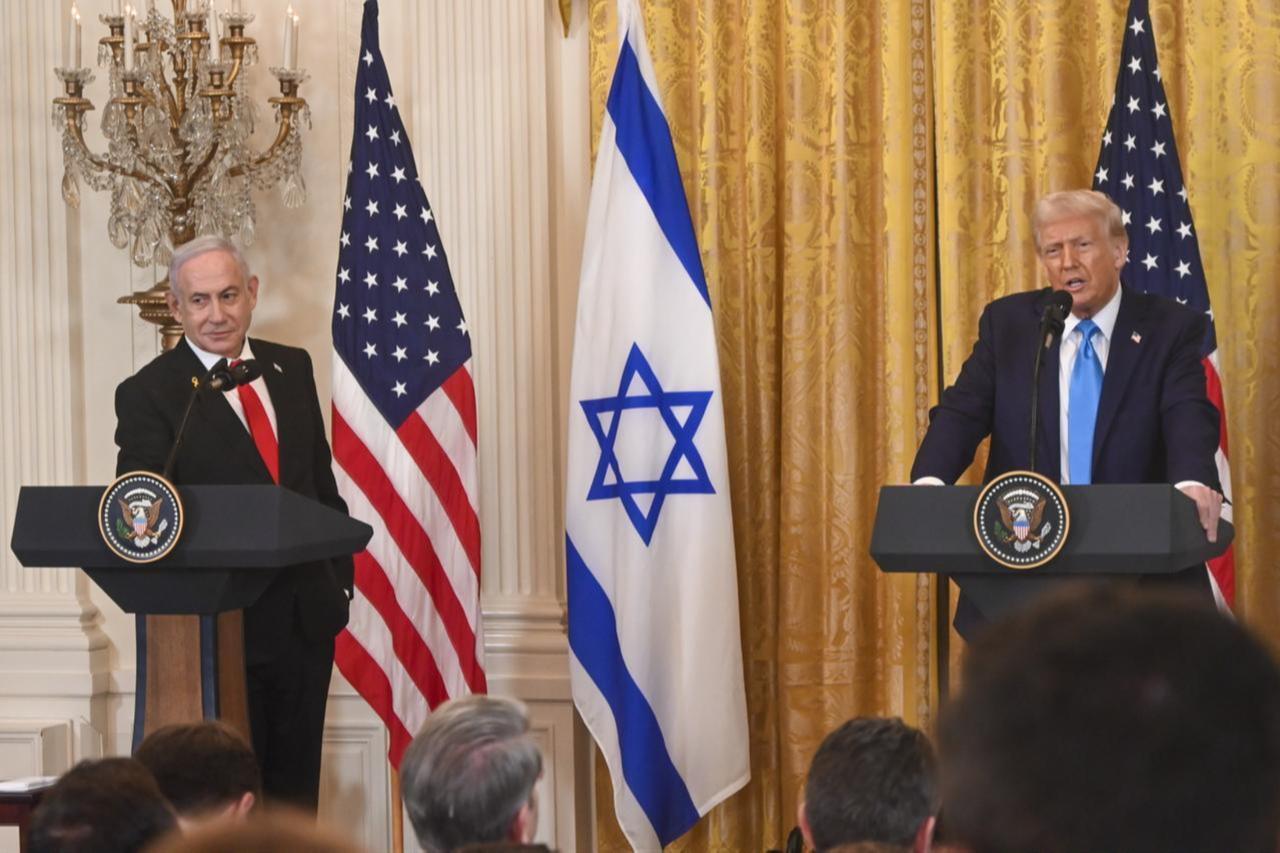
Israel, which is not a party to the agreement, pushed back sharply on Monday morning. Defense Minister Israel Katz declared that the Israeli military would remain in its security zones in Lebanon, Syria, and Gaza indefinitely, saying the positions would not be vacated "despite all existing and future pressures," and warning that any Iranian retaliation over continued Israeli strikes in Lebanon would be met with "great force."
National Security Minister Itamar Ben-Gvir went further, stating publicly that the deal "does not bind us" and that Israel is "not subject to the United States."
Netanyahu, widely reported to be unhappy with the emerging framework, is unlikely to confront Trump publicly. Trump reportedly called Netanyahu ahead of the signing to press him on Israeli strikes in Lebanon that threatened to derail the negotiations.
Officials acknowledged that complex internal political dynamics remain in Iran, with different constituencies pulling in different directions.
"We go in very clear-eyed," one official said, noting that Iran has been a "bad faith actor in negotiations for 47 years" and that the United States would verify every commitment before releasing any funds or relief. "The full deal will be published soon, but we're still in the building trust phase," the official added.


 Set as preferred source
 Set as preferred source


 1 min read
 1 min read