Newsletters


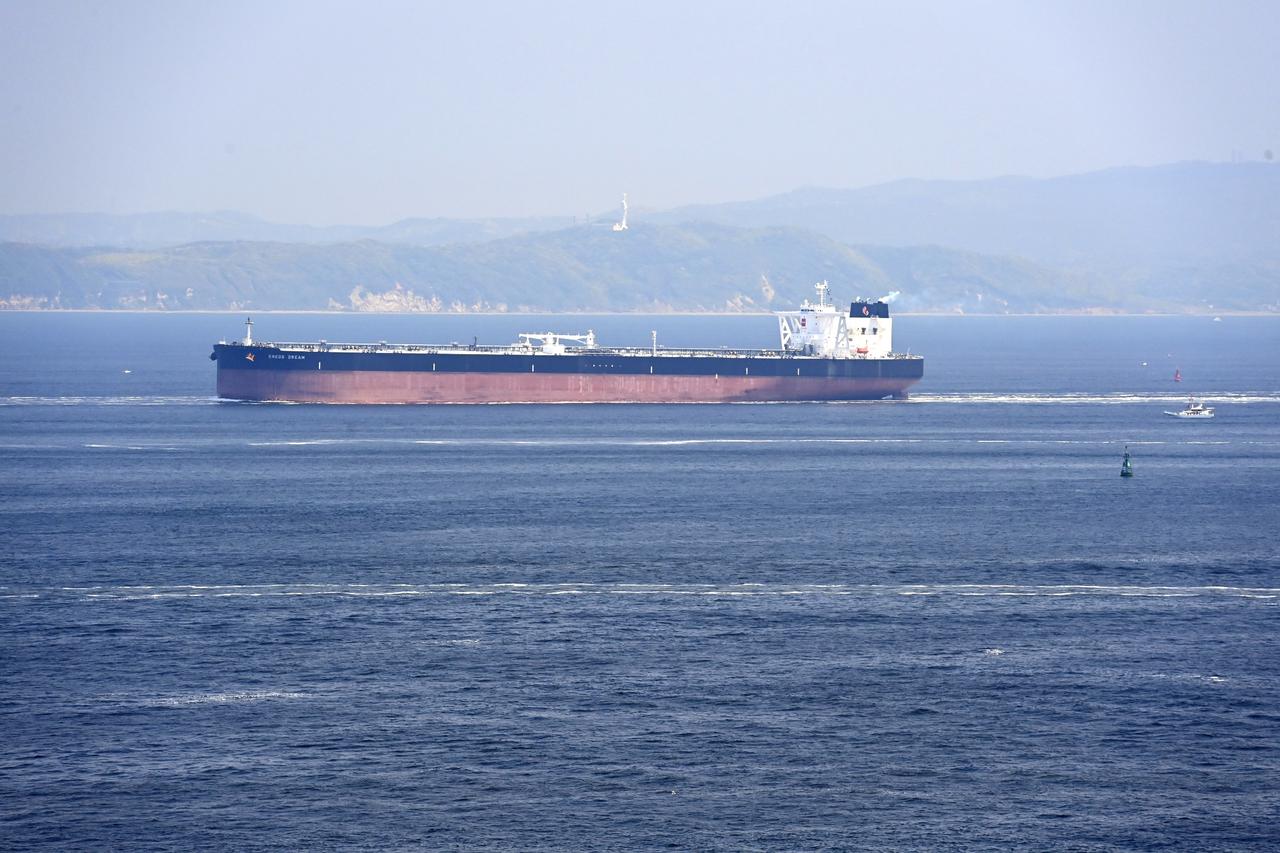


Crude prices extended gains on Monday as the impasse in the Iran war continued to drive uncertainty across markets and dampen risk appetite.
Both international benchmark Brent and U.S. benchmark WTI rose roughly 2% to $111 and $108 per barrel, respectively, as of 6 a.m. GMT, as the dispute between Tehran and Washington remained unresolved over the key terms for renewing talks to end the war.
Major Asian stocks mostly edged lower on Monday, with Japan’s Nikkei 225 falling 0.8%, Hong Kong’s Hang Seng dropping 1.5%, and China’s Shanghai Composite declining 0.5%. South Korea’s Kospi rose 0.4%.
Pan-European Stoxx 50 futures were 1% lower, while futures tied to all major U.S. indexes also hovered in negative territory.
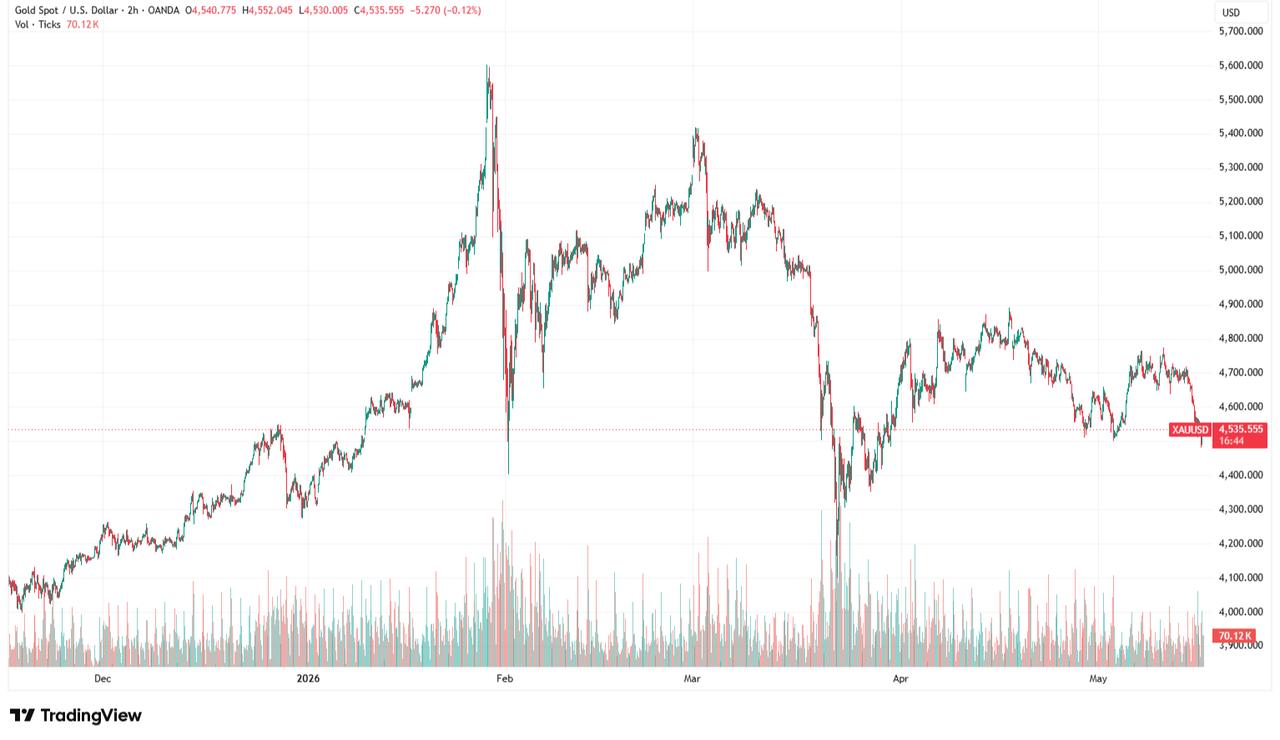
Gold stood around the $4,530 level after last week’s steep losses, while silver continued to decline, falling 1% to $75.1 per ounce. Palladium and platinum also weakened further, slipping 0.6% and 0.4% to around $1,400 and $1,960 per ounce, respectively.
Bitcoin fell 1.7% to $76,760, while ethereum plunged 3.2% to $2,110. The total cryptocurrency market capitalization also sank 1.8%.

Washington and Tehran reached a truce in April, but efforts to negotiate an end to the conflict have since stalled, with sporadic attacks continuing across the region.
Iranian media on Sunday reported five conditions set by Tehran for returning to negotiations, including an end to the regional war, particularly in Lebanon, sanctions relief, the release of frozen assets, compensation for war damage, and recognition of Iran’s sovereignty over the Strait of Hormuz. The demands are widely seen as unlikely to win acceptance in Washington.
Following the reports, U.S. President Donald Trump renewed pressure on Tehran, warning that Iran needed to move quickly toward a peace agreement or "there won't be anything left of them."
Trump later told Axios that "the clock is ticking" for Iran and warned that if Tehran failed to present a stronger proposal, "they are going to get hit much harder."
The conflict has effectively blocked the Strait of Hormuz, a critical shipping lane that handles roughly 20% of global oil exports during peacetime, fueling concerns over energy supply disruptions and volatility in global markets.


 Set as preferred source
 Set as preferred source


 1 min read
 1 min read