Newsletters


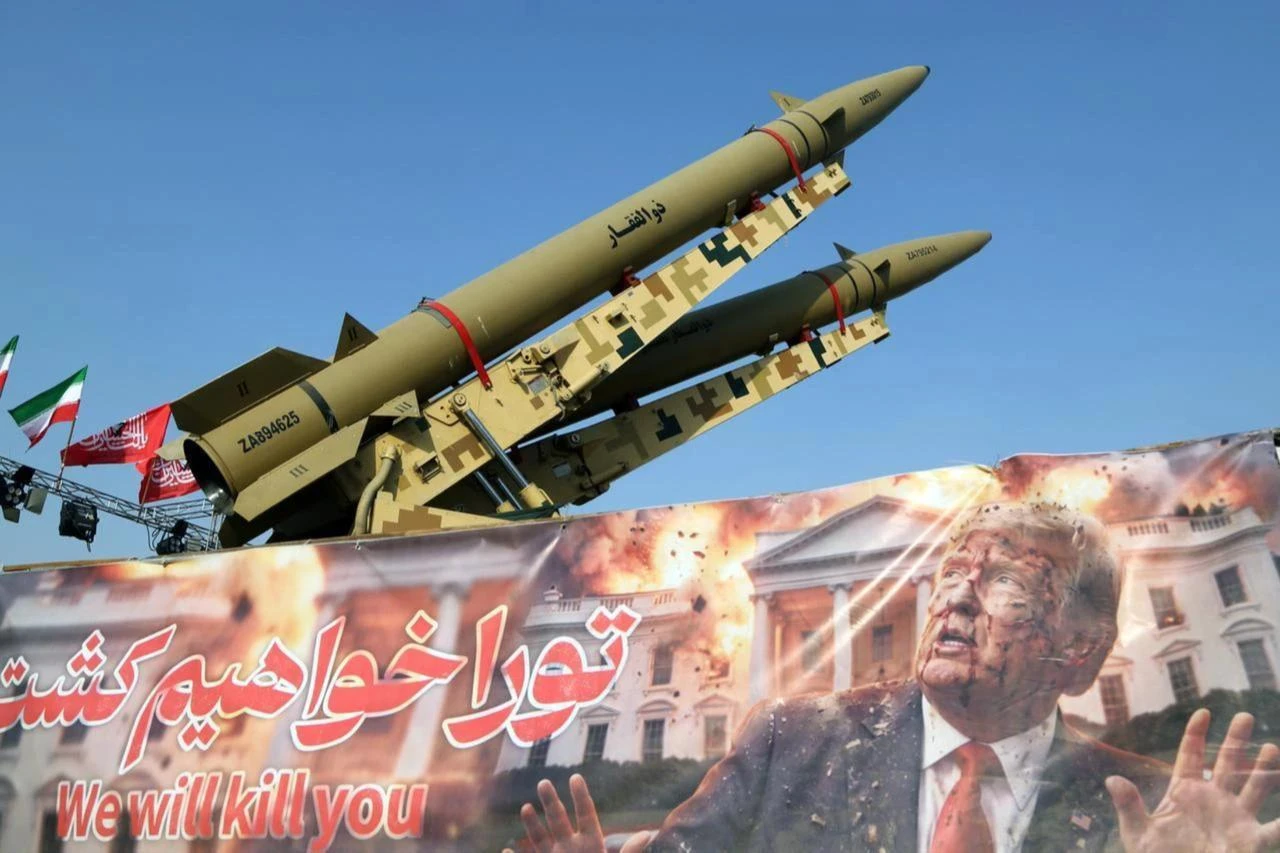


U.S. President Donald Trump said Monday that he will seek financial compensation from Iran as part of any negotiated end to hostilities between the two countries, citing decades of attacks he attributes to Tehran, including a strike that killed and wounded U.S. troops in 2000.
Writing on Truth Social, Trump said Iran was "asking for compensation for the damage done to them during the last five month Military Conflict." He said he would make a parallel demand of his own, "for all of the people that they have killed and gravely wounded with their roadside bombs and many conflicts."
Trump's post referenced the 2000 bombing of the USS Cole, an attack on a U.S. Navy destroyer that killed 17 sailors and wounded dozens more. He said any compensation should extend further, arguing it should also "be paid to the families of the hundreds of thousands of innocent protestors that Iran has killed over the last 50 years."
The president said he has directed his negotiating team to formally raise the issue. "I have instructed my representatives to put this firmly into any, and all, future negotiations," he wrote.
The compensation demand is the latest swing in what has become a recurring cycle in Trump's public posture toward Iran. Just last week, he threatened to strike Iran "very hard," raising the possibility of hitting civilian infrastructure, before pulling back and suggesting a peace deal might be within reach.
That reversal was echoed a day before Monday's post, when Trump said he was "low-keying" his approach to the conflict. In an interview published Sunday by Axios, he indicated he was willing to let economic pressure build rather than order further military strikes, and did not voice frustration over Iran's delay in agreeing to reopen the Strait of Hormuz.
Talks have stalled over dueling preconditions. Iran has demanded that the United States lift its blockade of Iranian ports and remove sanctions on the country's oil industry before further progress can be made. In the meantime, Iran's blockage of the Strait of Hormuz, one of the world's most critical oil transit chokepoints, has pushed fuel prices higher and unsettled global markets.
The standoff carries political stakes for Trump as well, with the economic strain building ahead of the U.S. midterm elections in November.


 Set as preferred source
 Set as preferred source


 1 min read
 1 min read