

 Newsletters


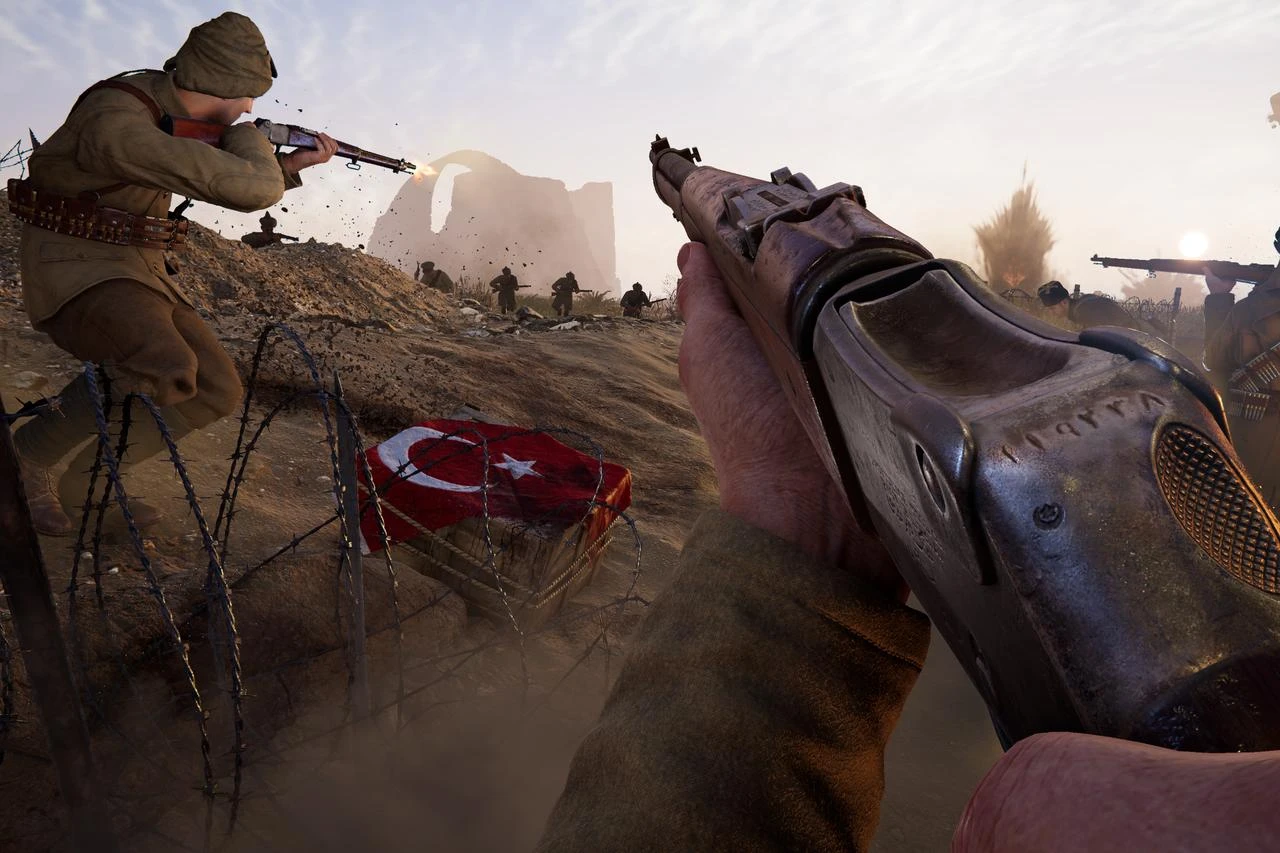


BlackMill Games will release its new World War I title "Gallipoli" worldwide on Aug. 20, bringing key locations from the Canakkale Battles into a digital environment developed with historical records, technical data and fieldwork support from the Directorate of Gallipoli Historical Site.
The cooperation between the game developer and the directorate was formally launched on Aug. 10 at Seddulbahir Castle, one of the locations connected to the battles. During the event, participants were able to experience a digitally reconstructed version of Seddulbahir while standing at the historic site that inspired it.
A cooperation protocol was later signed by Ismail Kasdemir, head of the Directorate of Gallipoli Historical Site, and BlackMill Games CEO Jos Hoebe.
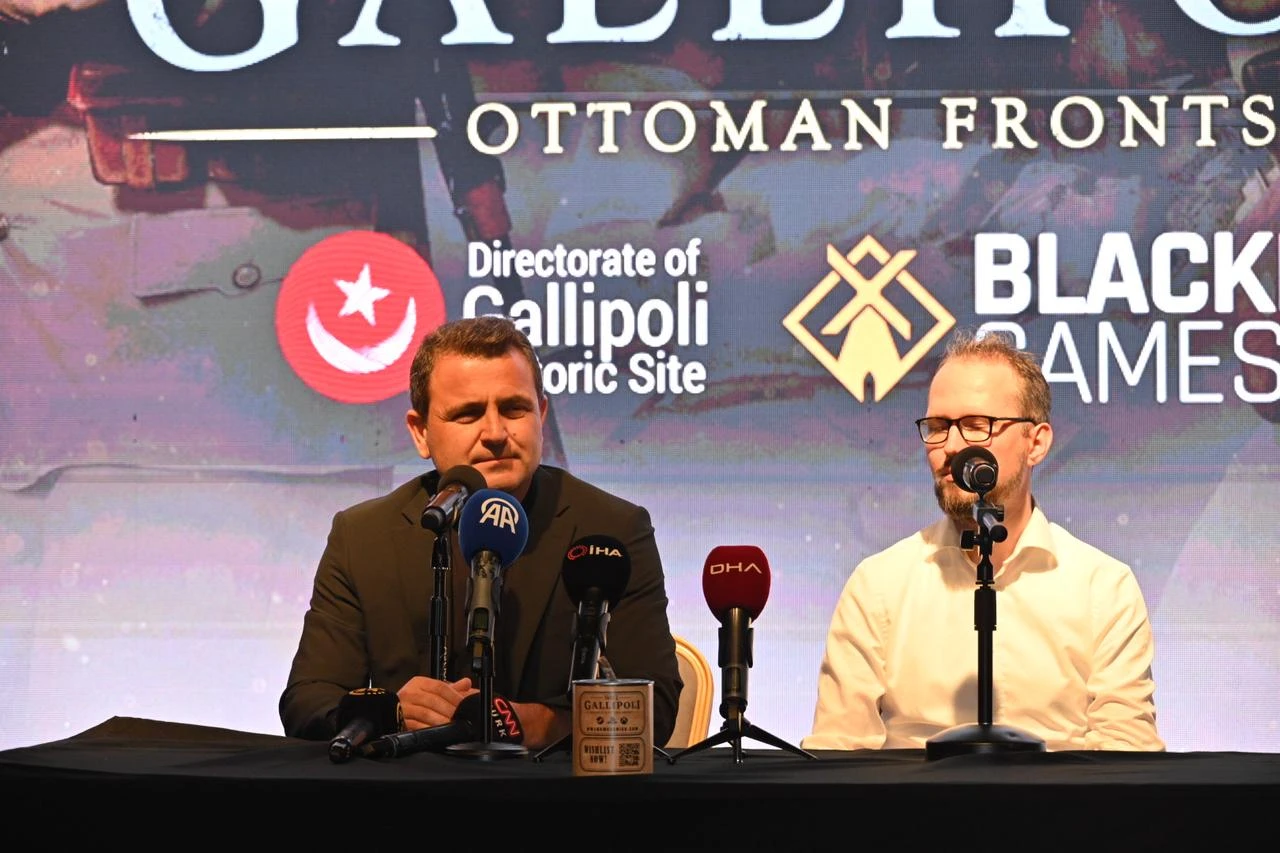

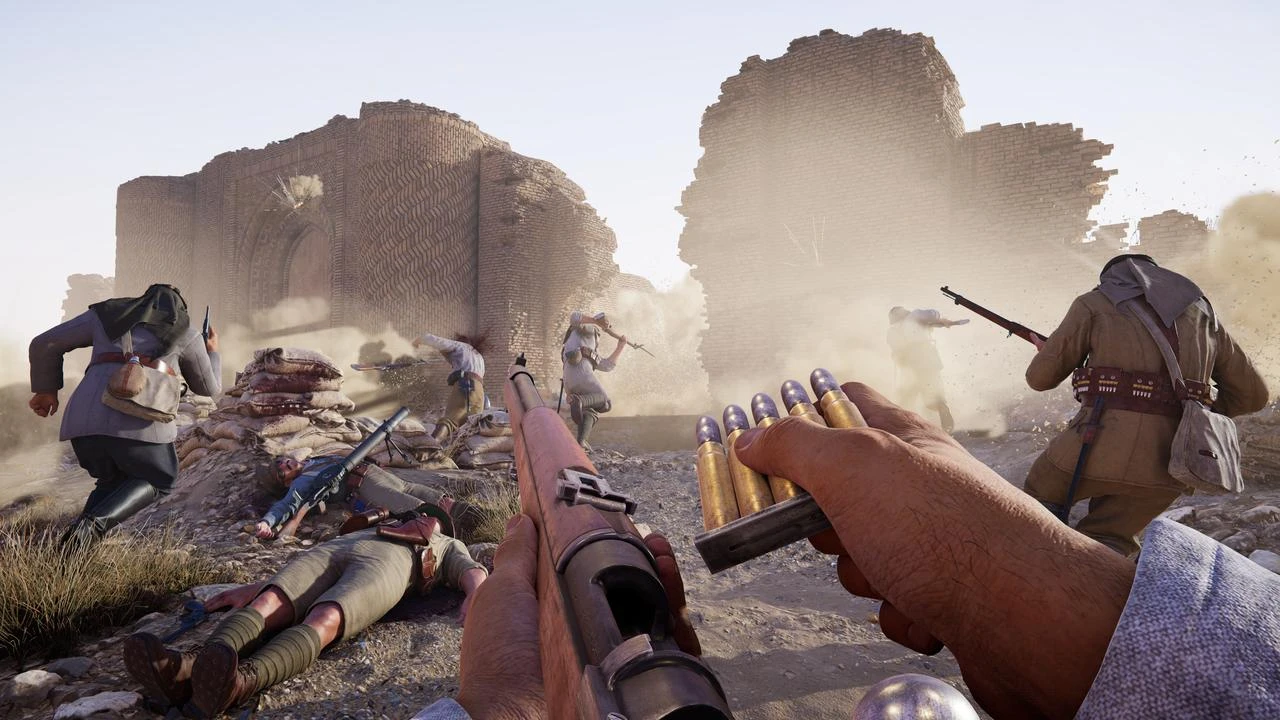
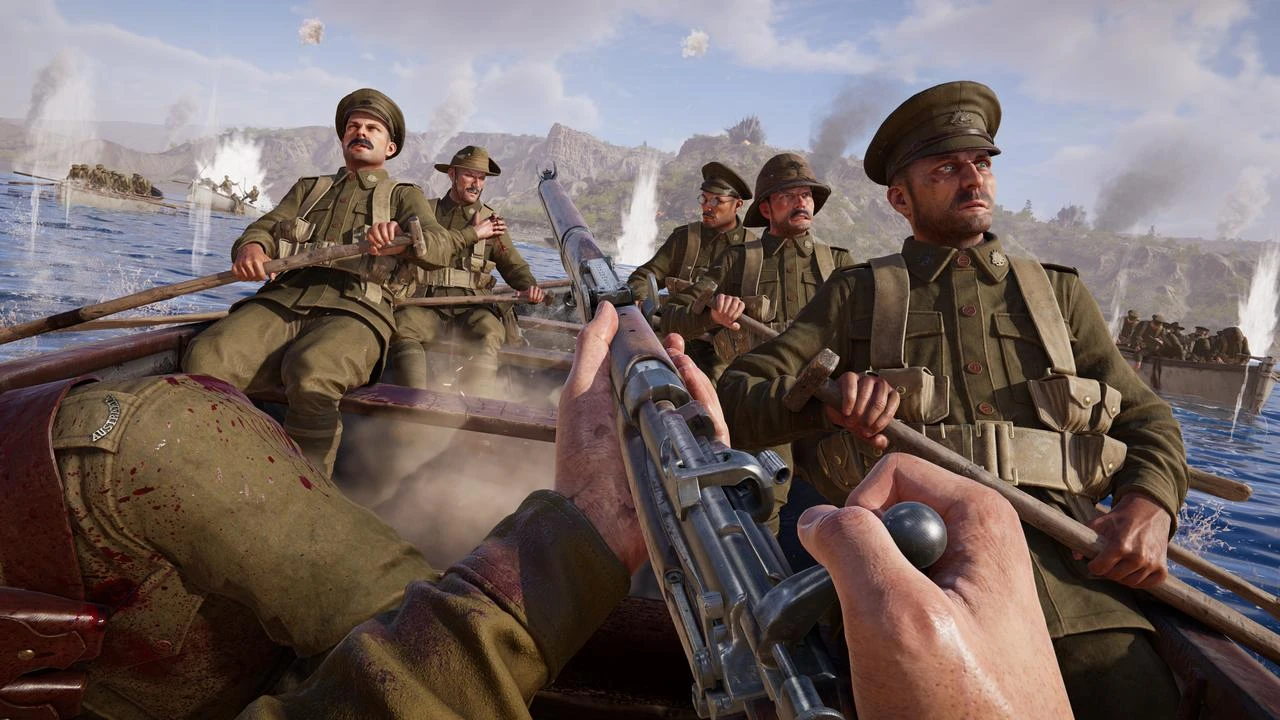
"Gallipoli" recreates several major locations associated with the Canakkale Battles, including Seddulbahir Castle, Kumkale, Ariburnu and Anzac Cove.
Alongside the geography itself, the developers have sought to reproduce historic structures, the natural environment, trenches, military uniforms, weapons and battlefield conditions as closely as possible to the period.
The project is designed to allow players not only to fight across a virtual battlefield but also to take in the geography and atmosphere in which the fighting unfolded.
BlackMill Games, which is known for games set during World War I, aims to use the title to bring the history of the Gallipoli front to a wider international audience.
Hoebe said the cooperation showed how expertise from institutions specializing in history could be brought together with the creative capabilities of the gaming industry. He added that the project was intended to deepen understanding of both the battles and the people who shaped the historical period.
To help the game reflect the Canakkale front and Gallipoli historic area accurately, the directorate provided BlackMill Games with information, documents and technical material.
The development team received LiDAR scans, which use laser technology to produce detailed measurements of physical environments, alongside three-dimensional spatial data, maps and other technical documents used to model historic structures, battlefields and the surrounding landscape.
The directorate also coordinated fieldwork, allowing the BlackMill Games team to carry out technical examinations and site visits across areas where the battles took place.
The work is intended to establish a close connection between the digital version of Canakkale and the area's real geography and historical heritage.
Kasdemir said the partnership would help the institution build up its presence in digital media while reaching children and younger audiences through games.
He said he hoped the release would encourage more people in Türkiye and abroad to become curious about Canakkale and learn more about the area.
 0 min read
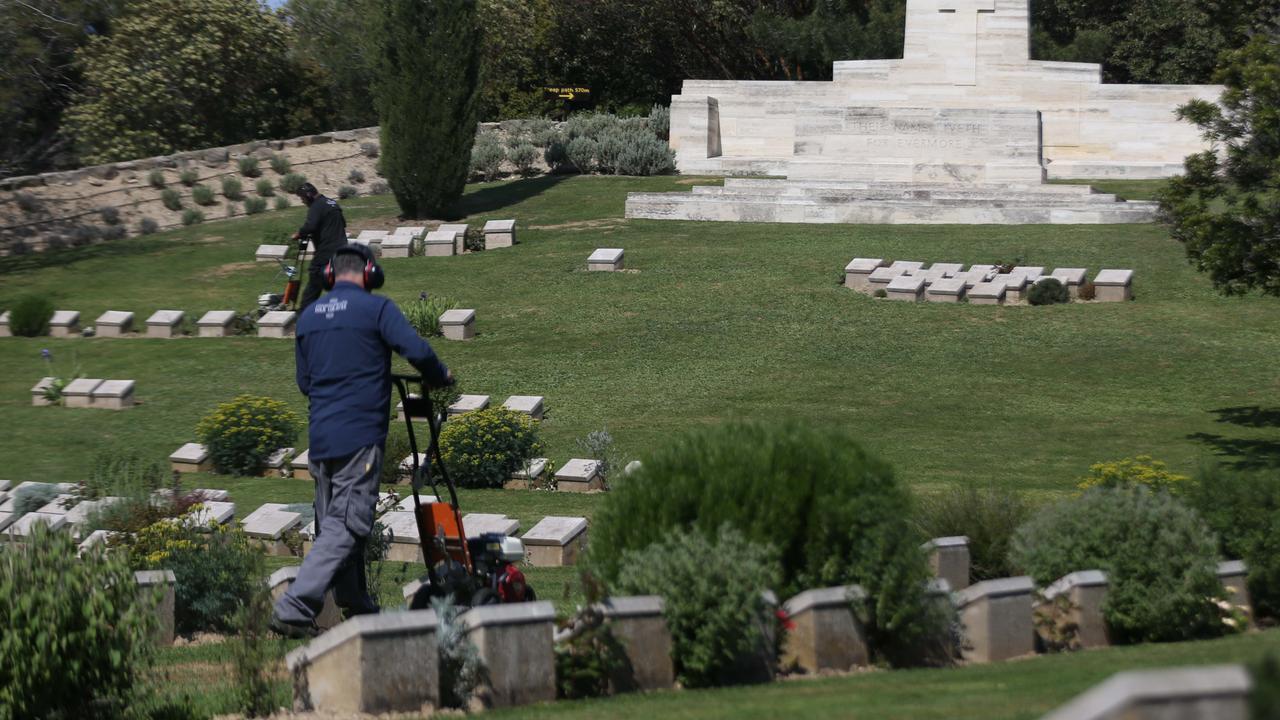
"I hope that after this game starts being played, Canakkale will become a place that is more widely wondered about both around the world and in Türkiye, and more people will come here," Kasdemir said.
He also called for further cooperation with BlackMill Games on future projects, while Hoebe described games as a powerful tool for bringing new audiences together with historical heritage and developing a deeper understanding of the past.


 Set as preferred source
 Set as preferred source



 1 min read


