Newsletters




Oil prices edged slightly lower on Friday as prospects grew for a U.S.-Iran deal to end the war and reopen the oil lifeline Strait of Hormuz, while tech-heavy Asian stocks extended steep losses amid profit-taking and concerns over chip-sector growth.
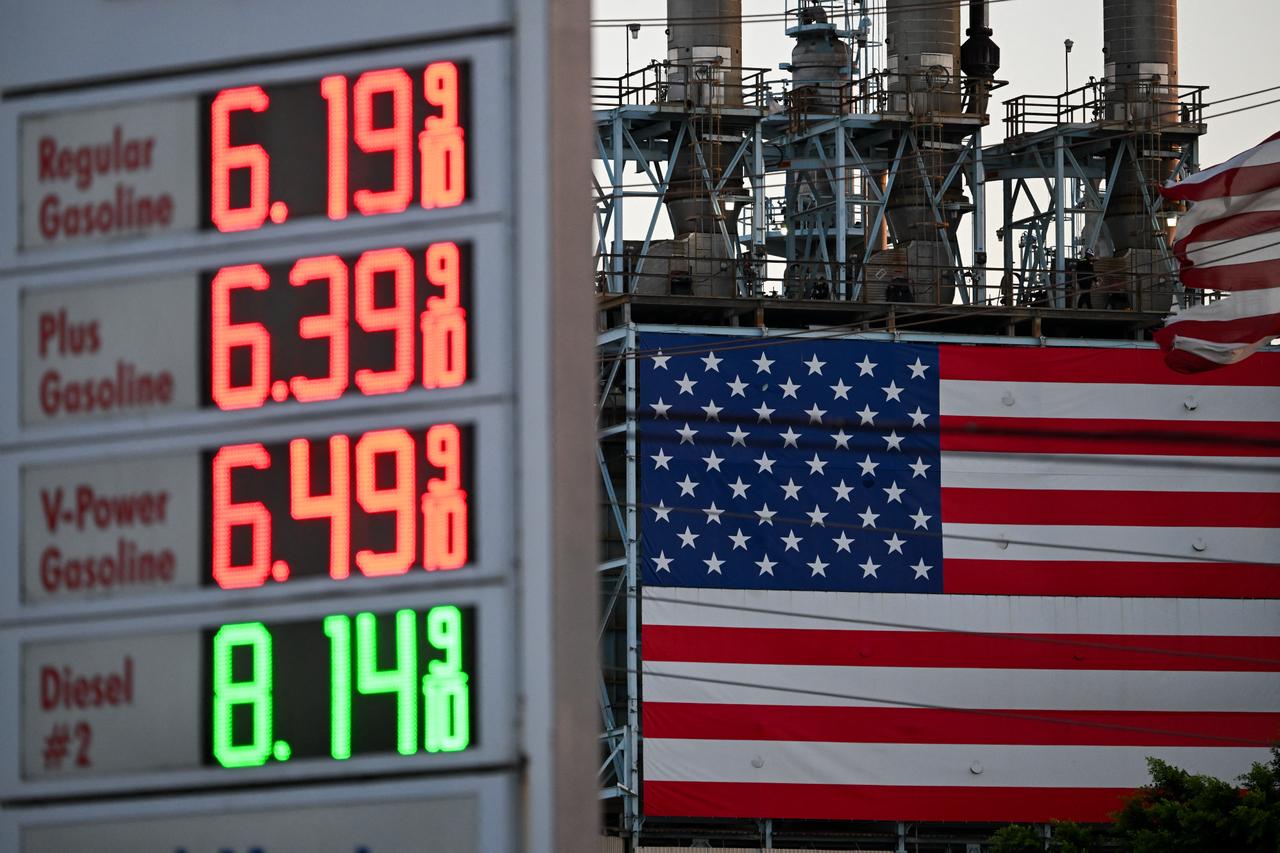
International benchmark Brent was flat at $95 per barrel, while U.S. benchmark WTI declined 0.5% to around $92.5 per barrel as of 8 a.m. GMT.
Among Asia's major markets, Japan’s Nikkei 225 fell more than 1.3%, while South Korea’s Kospi tanked 5.5%.
The losses followed the previous session’s rout, when the Kospi dropped 1.8% and the Nikkei 225 lost 1% after U.S. chip giant Broadcom sparked concern among investors heavily exposed to AI-related stocks, as its third-quarter revenue forecast came in below expectations.
Japanese stocks also came under pressure from growing speculation that the Bank of Japan could raise interest rates later this month.
Hong Kong’s Hang Seng fell 1.2%, while China’s Shanghai Composite slipped 0.7%.
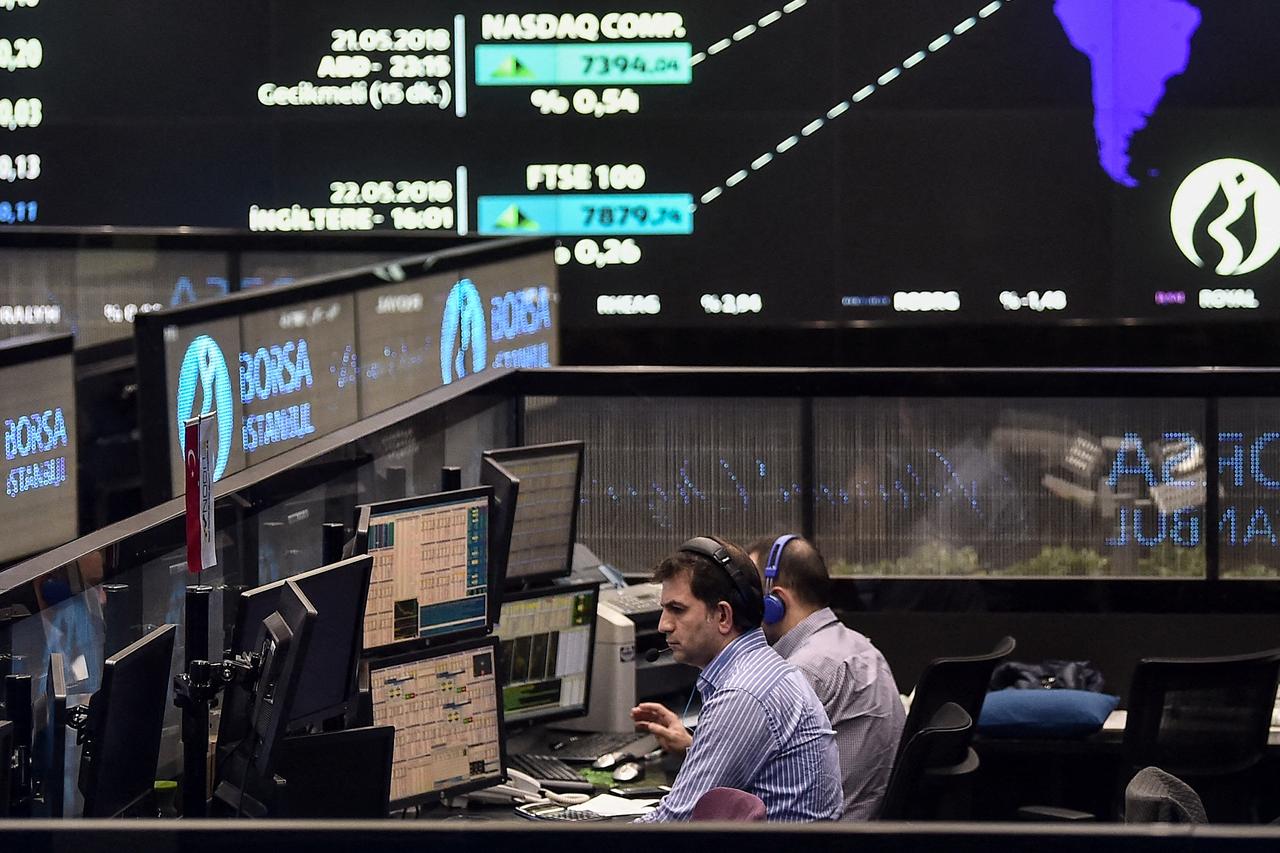
Pan-European Stoxx 600 declined 0.2%, with Germany’s DAX down 0.2%, while France’s CAC 40 added 0.2% and Spain’s IBEX 35 rose 0.3%. The U.K.’s FTSE 100 was flat, while Türkiye’s BIST 100 retreated 0.6%.
Gold fell 0.3% to $4,460, while silver dropped 1.8% to $72.6 per ounce. Palladium and platinum also declined by around 1% to $1,280 and $1,870 per ounce, respectively.
Cryptocurrencies continued to slide, with Bitcoin down around 1% to $62,630 and Ethereum falling 5.7% to $1,160. The total cryptocurrency market capitalization also dropped 2% to below $2.2 trillion.

Markets found some support from renewed expectations that Washington and Tehran could still strike a deal despite signs that negotiations remain deadlocked.
Iran's Foreign Minister Abbas Araghchi described the latest round of contacts with the U.S. as yielding "no tangible progress," while President Donald Trump maintained a more upbeat tone, telling reporters an agreement could emerge as soon as this weekend.
The prospect of a diplomatic breakthrough helped offset some of the selling pressure that swept through technology stocks. Investor sentiment also improved after the U.S. House of Representatives approved a war powers resolution aimed at ending U.S. military action against Iran, easing concerns over a wider regional escalation.
Trump later signaled openness to direct engagement with Iran's new Supreme Leader, Mojtaba Khamenei. "I would be honored to meet him. I would like to see whether we can reach an agreement," he said following an event at the White House on Thursday.
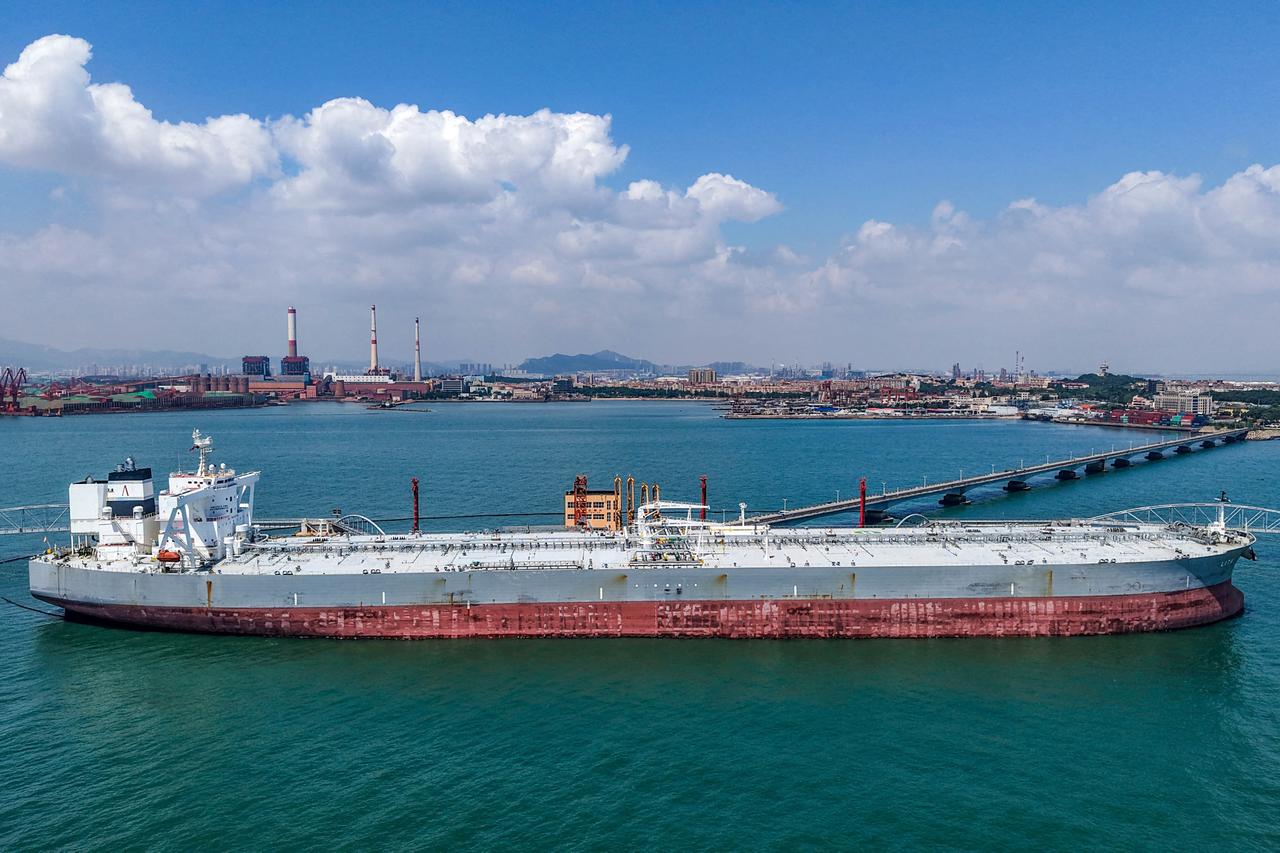
Still, Trump made clear that any settlement would hinge on Tehran abandoning its pursuit of nuclear weapons and restoring access through the Strait of Hormuz, the strategic shipping route that carries roughly one-fifth of the world's oil supply.


 Set as preferred source
 Set as preferred source


 1 min read
 1 min read