Newsletters


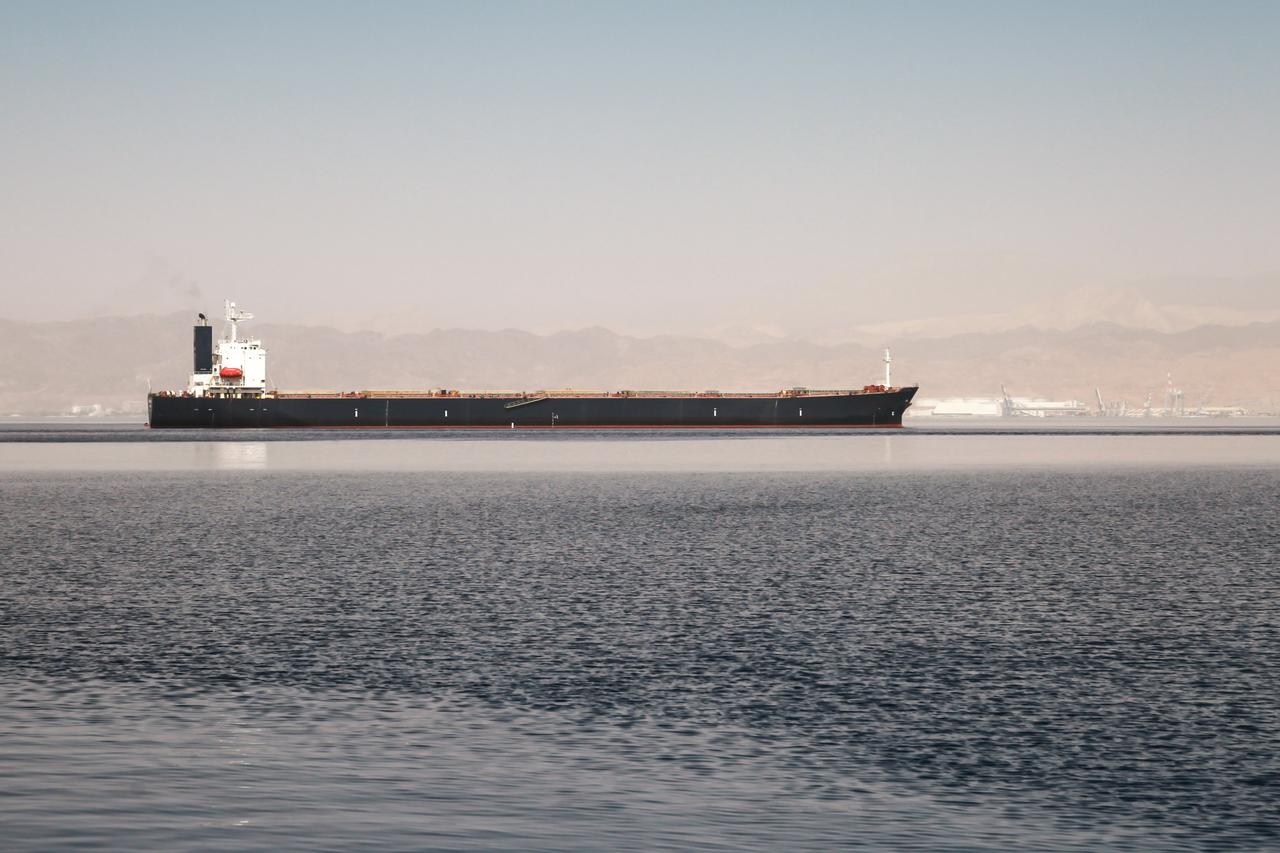


The OPEC+ is reportedly preparing to decide on a fresh increase in oil output targets for June at its first meeting after the UAE’s exit on Sunday, pressing ahead with its supply plan despite deep disruptions tied to the ongoing Iran conflict.
Seven core members reached a preliminary agreement to lift production targets by about 188,000 barrels per day (bpd), sources told Reuters.
The expected June increase follows a 206,000 bpd hike agreed last month, adjusted downward to reflect the UAE’s departure, which takes effect on May 1.
The planned increase largely remains on paper, as flows through the Strait of Hormuz stay largely halted amid the U.S.-Israeli war on Iran, squeezing supply far beyond official quotas.
Before the conflict, countries such as Saudi Arabia, Iraq, Kuwait, and the UAE were the only members capable of ramping up production.
That capacity has now been undercut by logistical and geopolitical constraints, tightening real output despite policy adjustments, the report suggested.
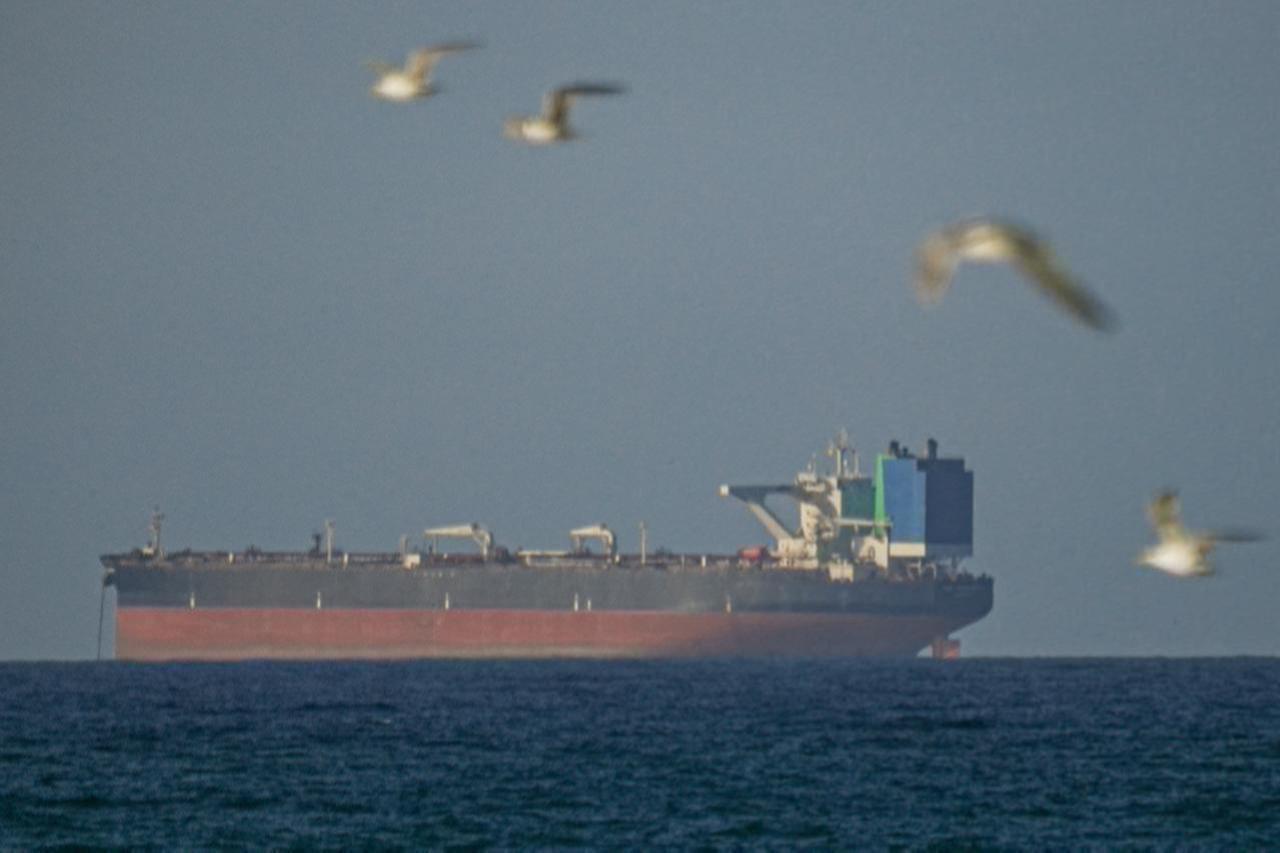

The war’s broader impact shows up clearly in production data, with OPEC+ output averaging 35 million barrels per day in March, a sharp drop of 7.7 million bpd from February, as Iraq and Saudi Arabia accounted for the largest declines.
Outside the region, Russia has also scaled back output after Ukrainian drone attacks damaged key infrastructure.
Although OPEC+ still counts 21 members, only a smaller core—now reduced to seven—has been actively shaping monthly production policy in recent years.


 Set as preferred source
 Set as preferred source


 2 min read
 1 min read