Newsletters


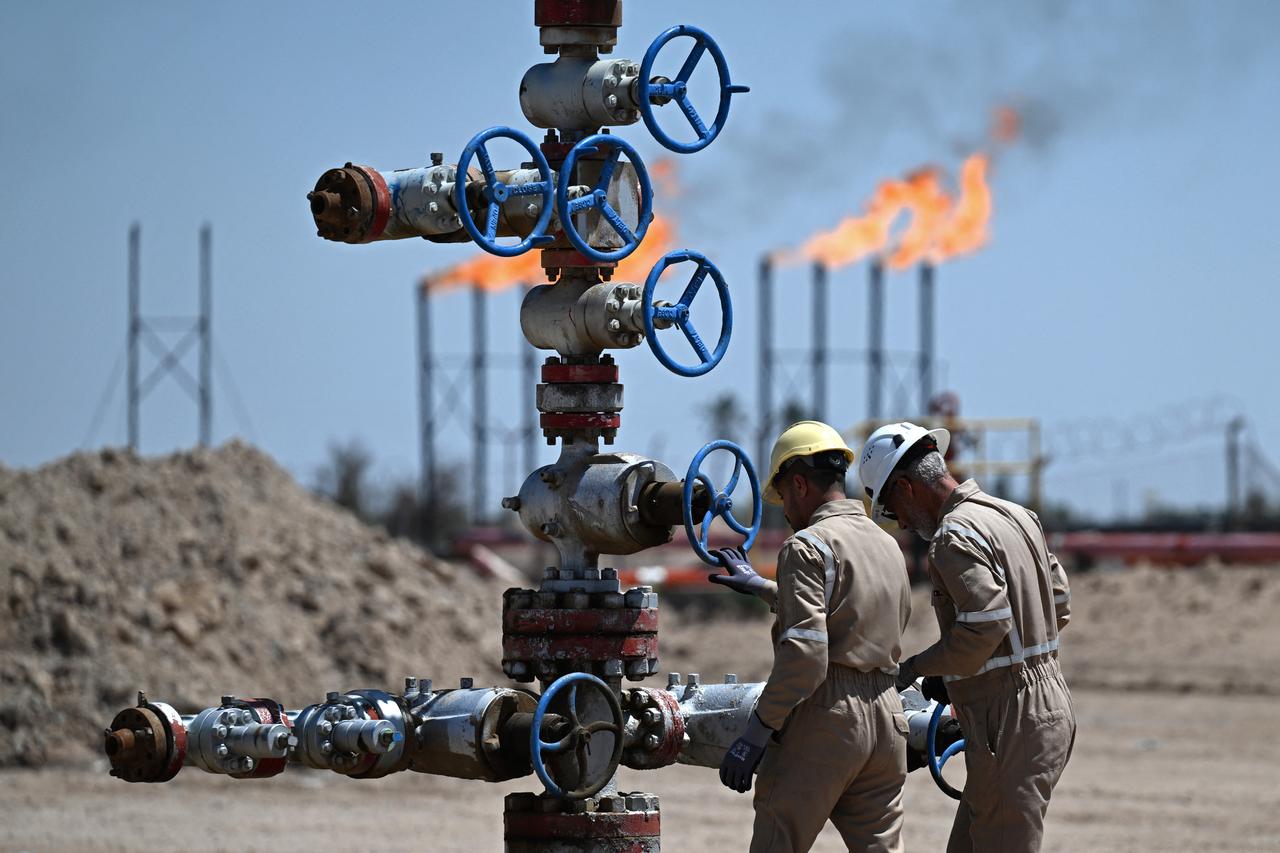


The United Arab Emirates announced on Tuesday its withdrawal from OPEC and OPEC+, effective May 1, in a move that experts describe as one of the most significant splits within the oil producer group in decades.
In an exclusive interview with Türkiye Today, Gokhan Yardim—energy consultant and former director general of Türkiye's Petroleum Pipeline Corporation (BOTAS)—stated that the decision represents "not a rebellion but a new era." He noted that the move reflects the UAE's strategy to utilize its own production capacity rather than maintaining price levels, even as the global influence of OPEC+ continues to diminish.
"Viewing this only as a rebellion would be incomplete; it is instead the sign of a new era. The UAE now prioritizes utilizing its capacity to generate revenue over cutting production to maintain price levels. This shift indicates that the traditional structure of the OPEC is beginning to transform," Gokhan Yardim told Türkiye Today.
While announcing the departure, the UAE’s state news agency, the Wakalat Anba’a al-Emarat (WAM) stated the move is "in line with the country's long-term strategic and economic vision and the development of its energy sector." The UAE had been a member of the organization since 1967.
UAE Minister of Industry and Advanced Technology and Abu Dhabi National Oil Company (ADNOC) Chief Executive Officer Sultan Al Jaber described the move as a "sovereign decision in line with its long-term energy strategy." He emphasized that ADNOC would continue to fulfill the "growing energy needs of our customers and partners around the world with reliability, responsibility, and the ambition to deliver more" across the oil, gas, chemicals, and renewables sectors.
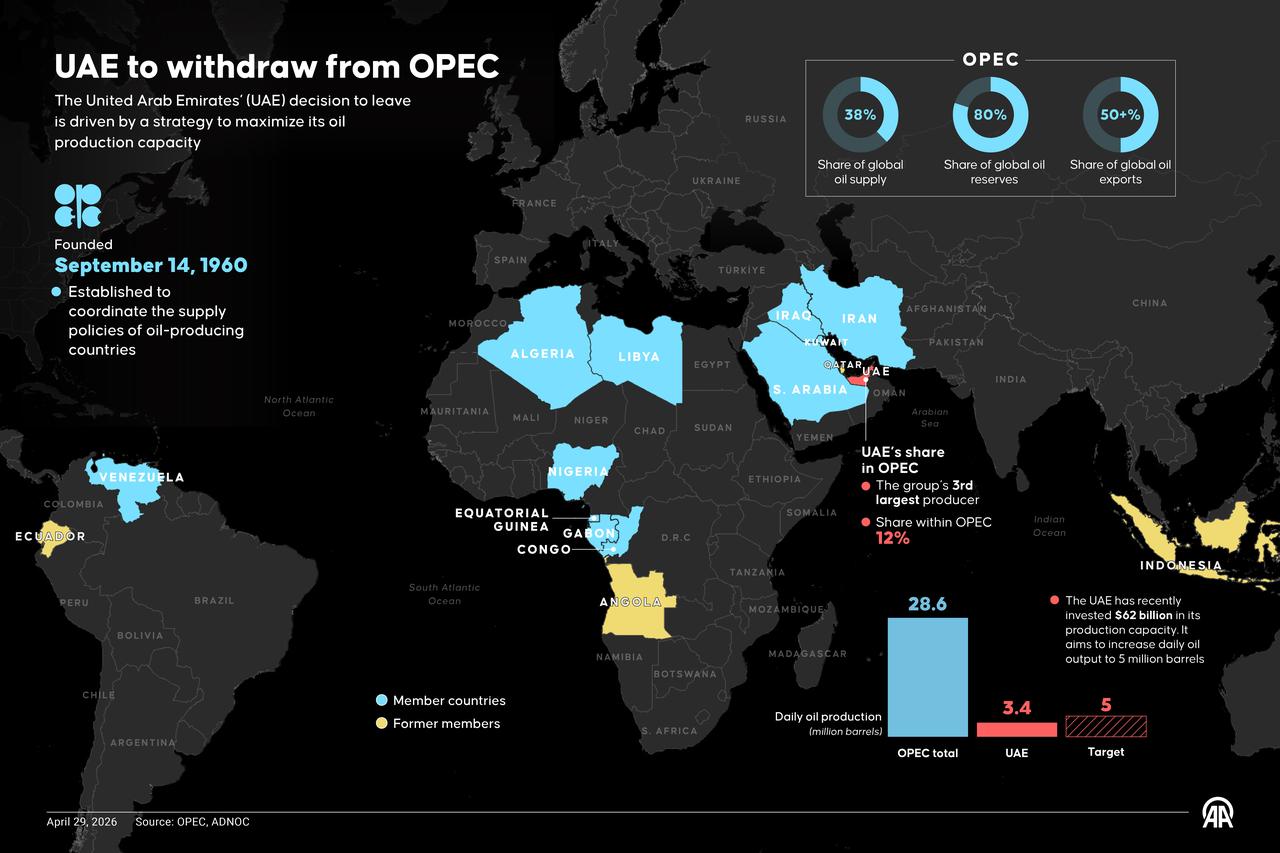

On the driving factors behind the exit, Yardim was clear: "It is fundamentally an economic decision. The UAE made serious investments and wants to use this capacity. The existing quotas did not allow for that."
"Geopolitical developments accelerated the exit process, but these were not the main reason," he noted.
On the price impact, Yardim said that it doesn't seem very likely "in the short term," noting that the main problem right now is not production, but shipment. "As long as the Hormuz problem continues, the supply remains limited. But in the medium term, if normalization occurs, the UAE's production increase could pull the prices down," he said
 2 min read
Speaking on this issue, Kremlin spokesman Dmitry Peskov said that Russia respected the decision as "a sovereign decision of the UAE," expressing hope that OPEC+ would be preserved. Peskov called it "a very important area of work, particularly crucial in the current climate, when energy markets are, to put it mildly, in turmoil."
Russia said it was not considering leaving OPEC+.
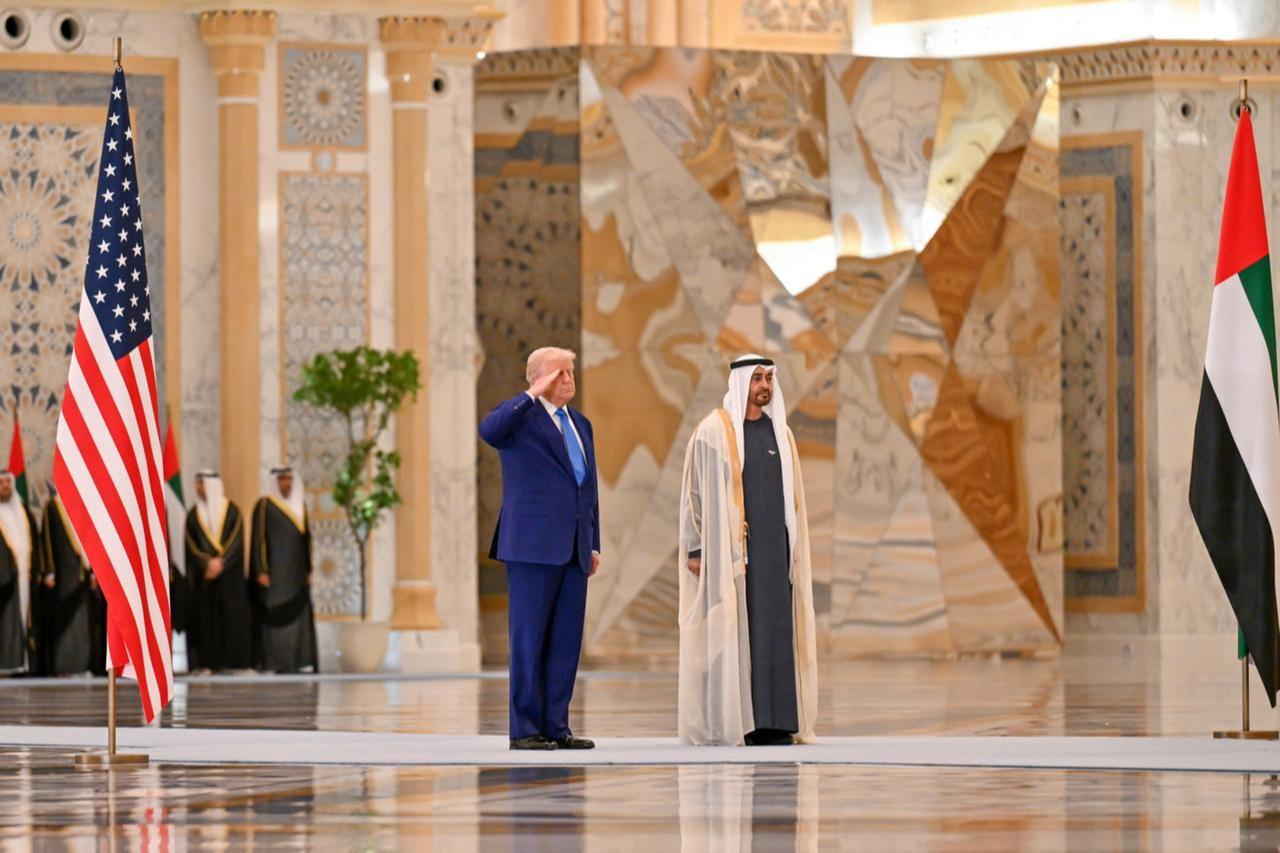
Meanwhile, U.S. President Donald Trump welcomed the exit, calling the decision "great." "I think ultimately it's a good thing for getting the price of gas down, getting oil down, getting everything down," Trump said.
Praising UAE President Sheikh Mohammed bin Zayed Al Nahyan, Trump said, "I know him very well, Mohammed, very smart, and he probably wants to go his own way. He's a great leader, actually."
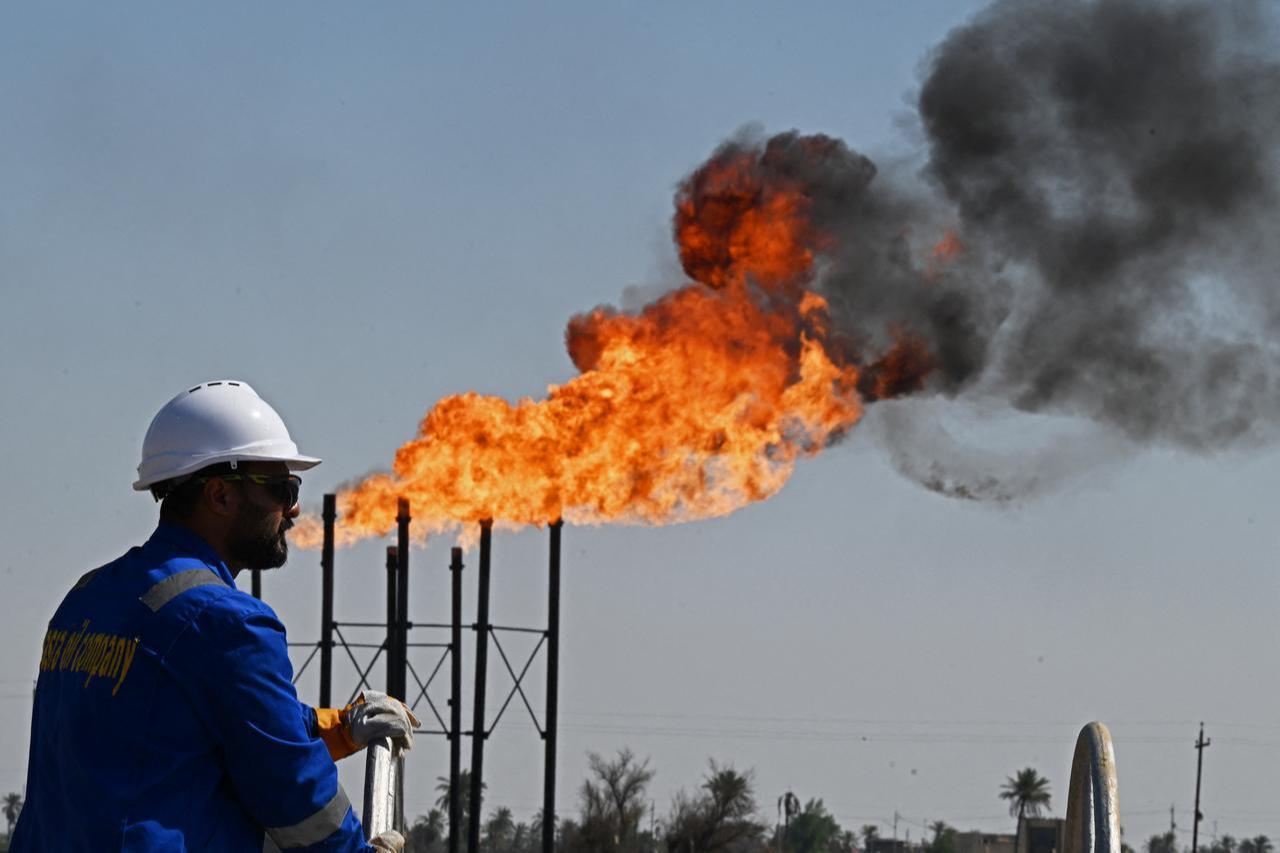
Yardim termed the Saudi-UAE tension "quite significant."
"The UAE no longer wants to act within the framework that Saudi Arabia has defined. The two countries' priorities have diverged," he said.
Against the backdrop of the Iran supply shock, Yardim was of the view that this decision shows "a desire to act more independently in a crisis environment." The UAE does not want its decisions to be bound to joint mechanisms in such a period, he noted.
Regarding the survival of OPEC+ Yardim he noted: "I don't anticipate a total collapse in the near future. However, it’s clear that OPEC+'s leverage is diminishing, and exits like this certainly leave the alliance more vulnerable."
As for the possibility of other members leaving, he added: "I wouldn't expect a mass exodus right now, primarily because most nations lack the UAE's ability to ramp up production so quickly. That said, we should expect much more heated debates over production quotas moving forward."
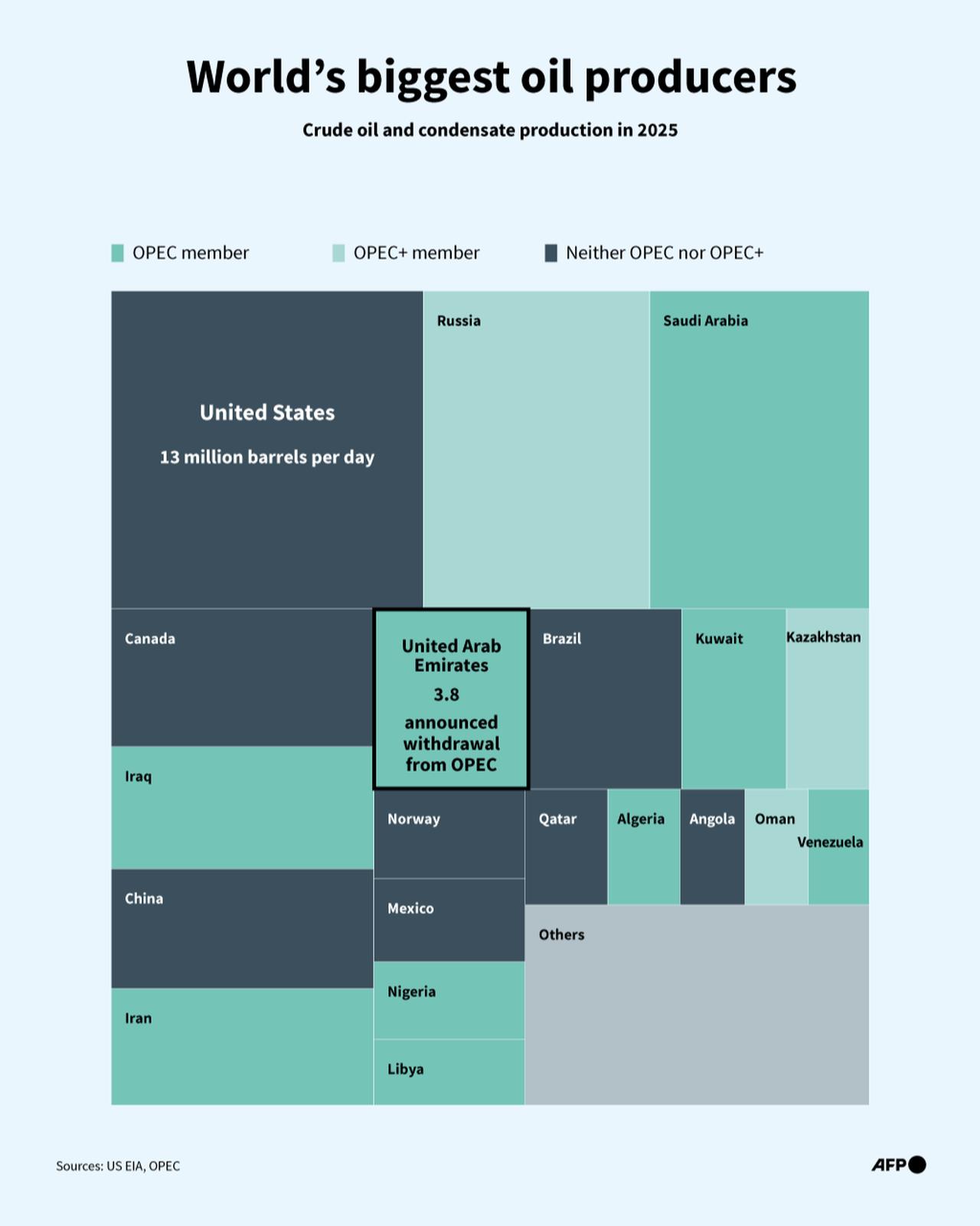
Talking about the decision's implications for energy importers like Türkiye, he said that in the short term, risks remain elevated because geopolitical tensions are keeping prices high. However, a more balanced market may emerge over the medium term.
He emphasized that for Türkiye, the primary concern is not necessarily the price level, but volatility.
Addressing Türkiye’s energy security specifically, he noted: While global risks have intensified in the short term, Türkiye currently faces no oil or natural gas supply disruptions; no immediate shortage is visible under the current circumstances. "Price risks continue. In the medium term, supply-side diversity may increase,"he said.
"Türkiye’s priority must be to diversify its energy sources, expand storage capacity, and maintain robust risk management," he concluded.


 Set as preferred source
 Set as preferred source


 1 min read