Newsletters




Philippine President Ferdinand Marcos Jr. signed an executive order to enable the government to take 'coordinated measures' as the U.S.-Israel war with Iran continues to disrupt global fuel supplies
Marcos has declared a state of national energy emergency on Tuesday, citing the "imminent danger" posed to the country's fuel supplies by the escalating conflict in the Middle East, making the Philippines the first country to take such a step in response to the crisis.
Marcos signed the executive order, invoking the threat of severe disruptions to global energy supply chains triggered by the U.S.-Israel offensive against Iran and the effective closure of the Strait of Hormuz, a critical shipping chokepoint through which the vast majority of Asia's oil and gas supplies pass.
"A state of national energy emergency is hereby declared in light of the ongoing conflict in the Middle East, and the resulting imminent danger posed upon the availability and stability of the country's energy supply," the executive order read.
Marcos said the declaration would allow the government to implement "responsive and coordinated measures" to shield the country's economy from the fallout.
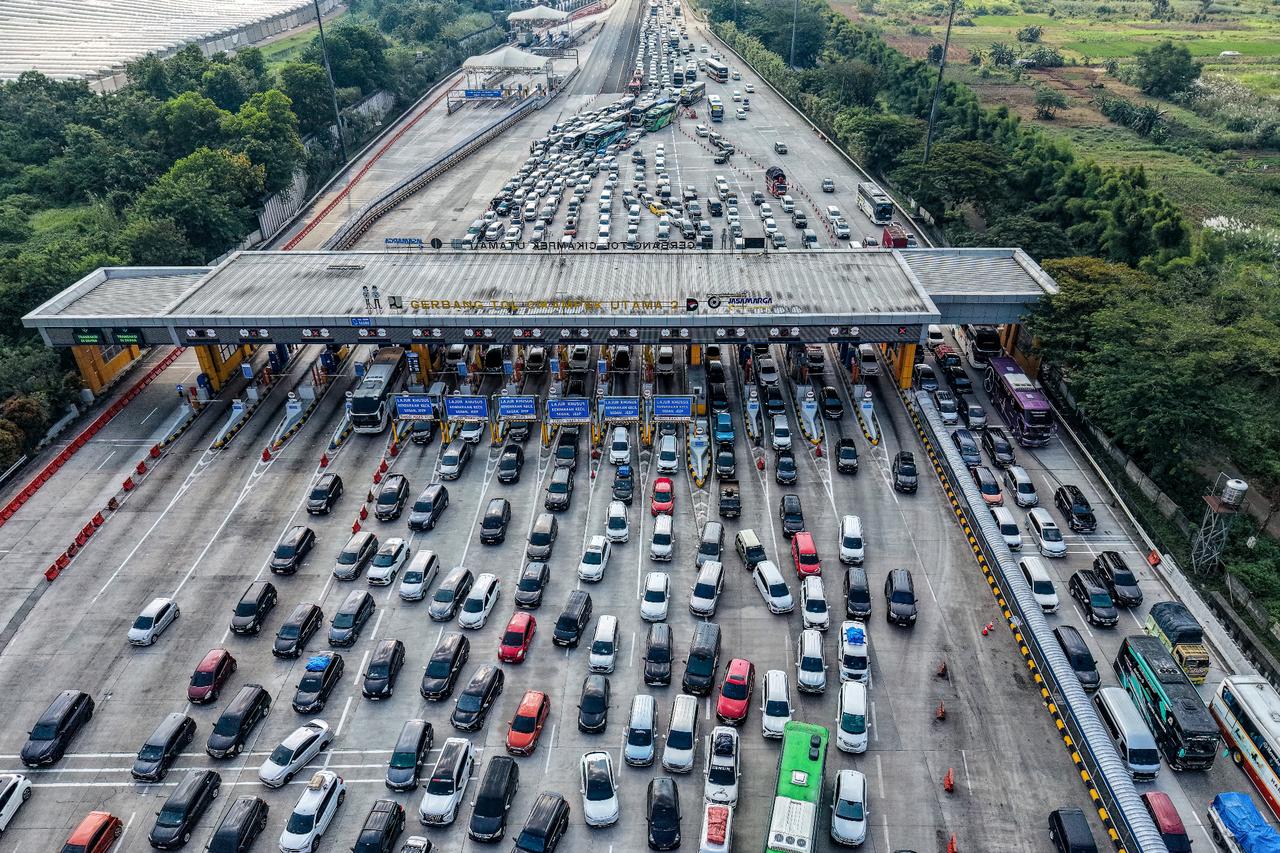
The executive order grants the Department of Energy the authority to make advance payments of 15% to secure fuel contracts, while also allowing it to act directly against hoarding or profiteering. The transportation department has been authorized to direct public transportation fuel subsidies and to reduce or suspend toll charges and aviation fees.
Energy Secretary Sharon Garin told reporters Tuesday that the country had roughly 45 days of fuel supply remaining, a figure that has prompted the government to turn more heavily to coal as an energy source as an interim measure.
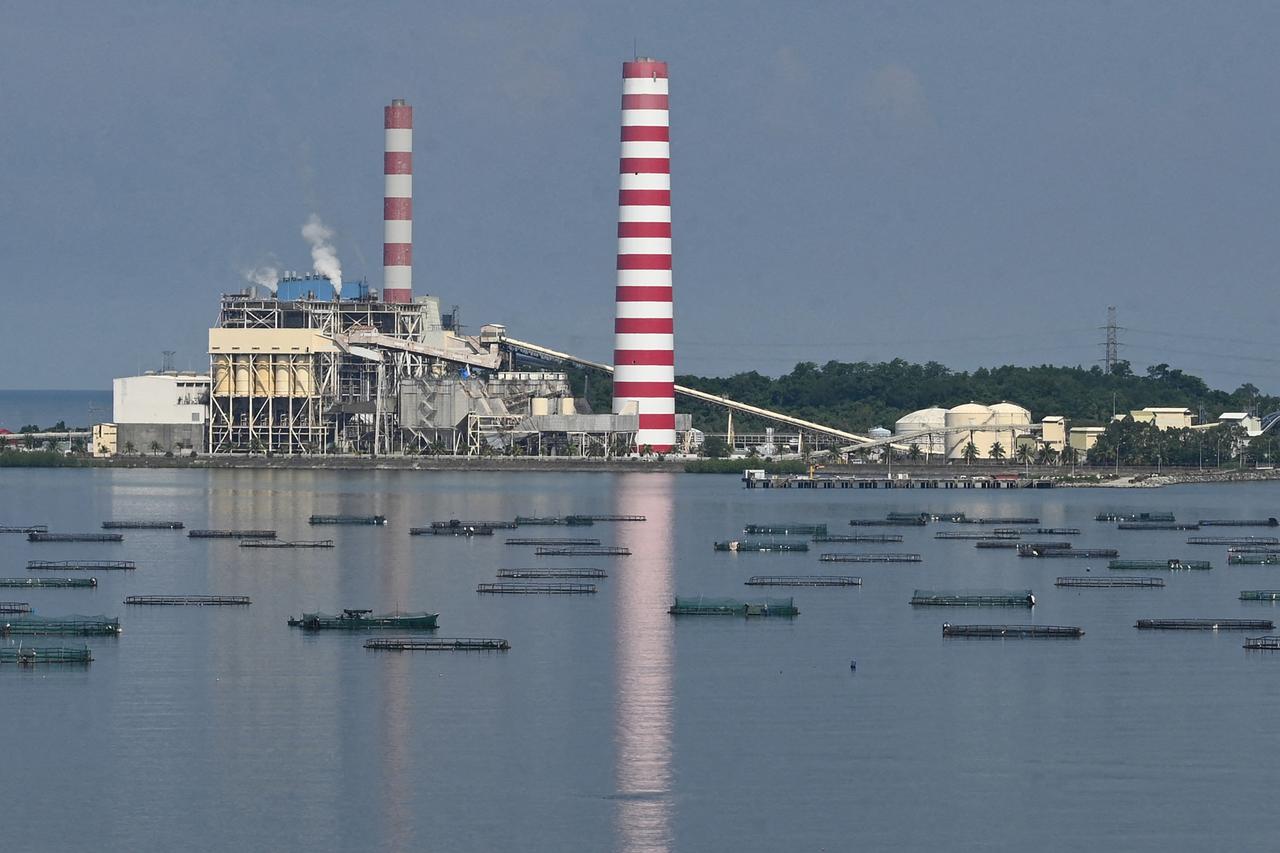
The Philippines, an archipelago of 116 million people, already relies on coal for approximately 60% of its electricity generation, among the highest rates in the region. With the cost of liquefied natural gas (LNG) soaring amid the conflict, Garin said the country would "temporarily" lean even more heavily on the carbon-heavy fossil fuel.
Officials said they had consulted with coal-powered generation companies on how much they could increase output, a measure Garin said could be implemented as early as April 1. Indonesia, the Philippines' top coal supplier, has assured Manila that there would be no restrictions on imports.
"If we are successful in implementing this, at least we can decrease the electricity rate hikes because of the conflict in the Middle East," Garin said.
The regional emergency stems from the US and Israel launching a joint offensive against Iran on February 28, which has so far killed more than 1,340 people, including then-Supreme Leader Ali Khamenei. Iran has retaliated with repeated drone and missile strikes targeting Israel and Gulf states hosting US military assets, and has taken control of the Strait of Hormuz.
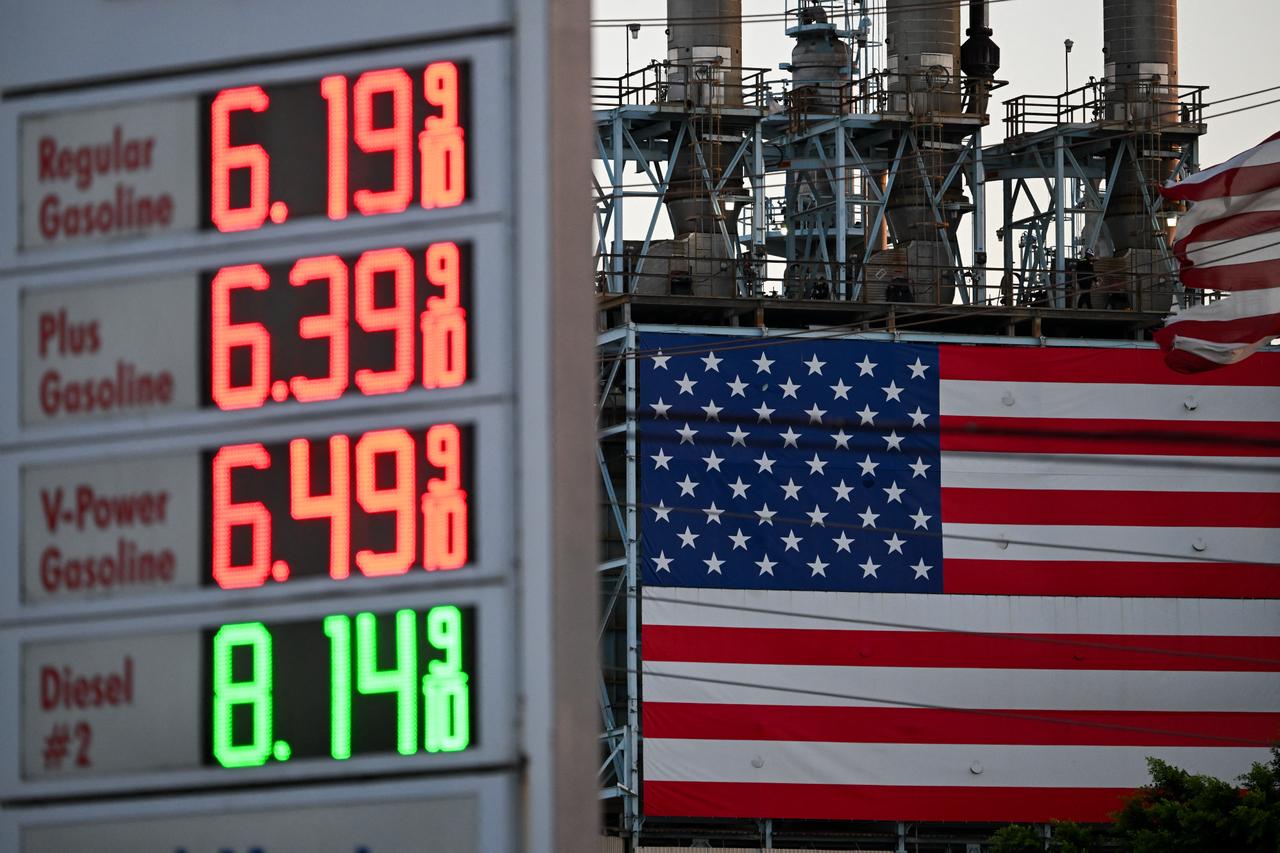
The closure of the strait, through which nearly 90% of the oil and gas bound for Asia passed last year, has sent shockwaves through global energy markets, causing soaring prices and supply shortages across the region.
The Philippines procures nearly 26% of its energy supplies from the Middle East, with its import bill totaling $16 billion in 2024, making it acutely exposed to any sustained disruption.


 Set as preferred source
 Set as preferred source


 1 min read
 1 min read