Newsletters


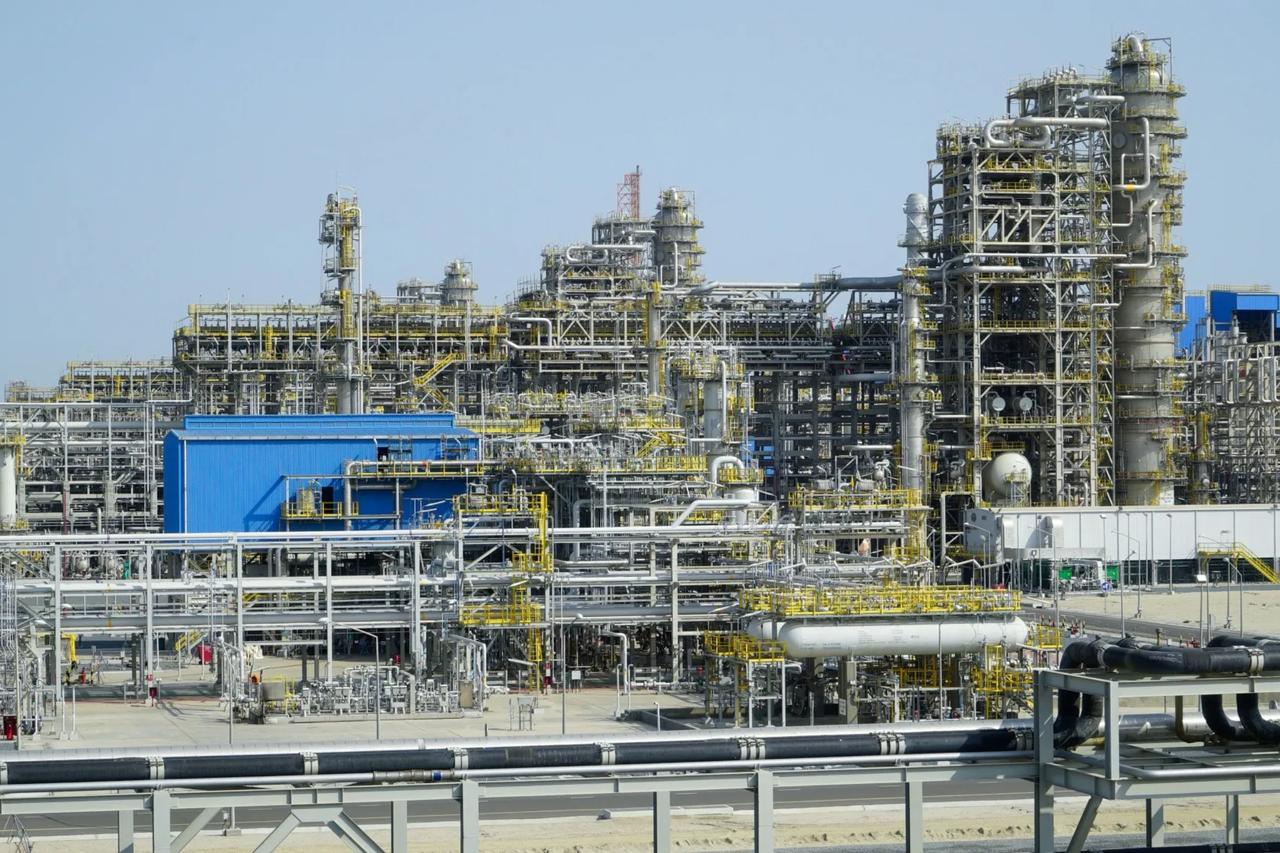


Kuwait's oil output will return to full capacity within three to four months if the Iran conflict ends, the state oil company CEO said Tuesday, adding production could ramp up quickly once hostilities stop.
The statement comes as the country sharply reduced crude production to around 500,000 barrels per day, down from more than 3 million barrels per day before the conflict began, due to disruptions in the Strait of Hormuz.
Speaking at an energy conference in Houston, Kuwait Petroleum Corporation chief Sheikh Nawaf Saud Nasser Al-Sabah said output was scaled back after shipping routes in the strategic waterway were targeted, calling it a "serious escalation that threatens global energy market stability."
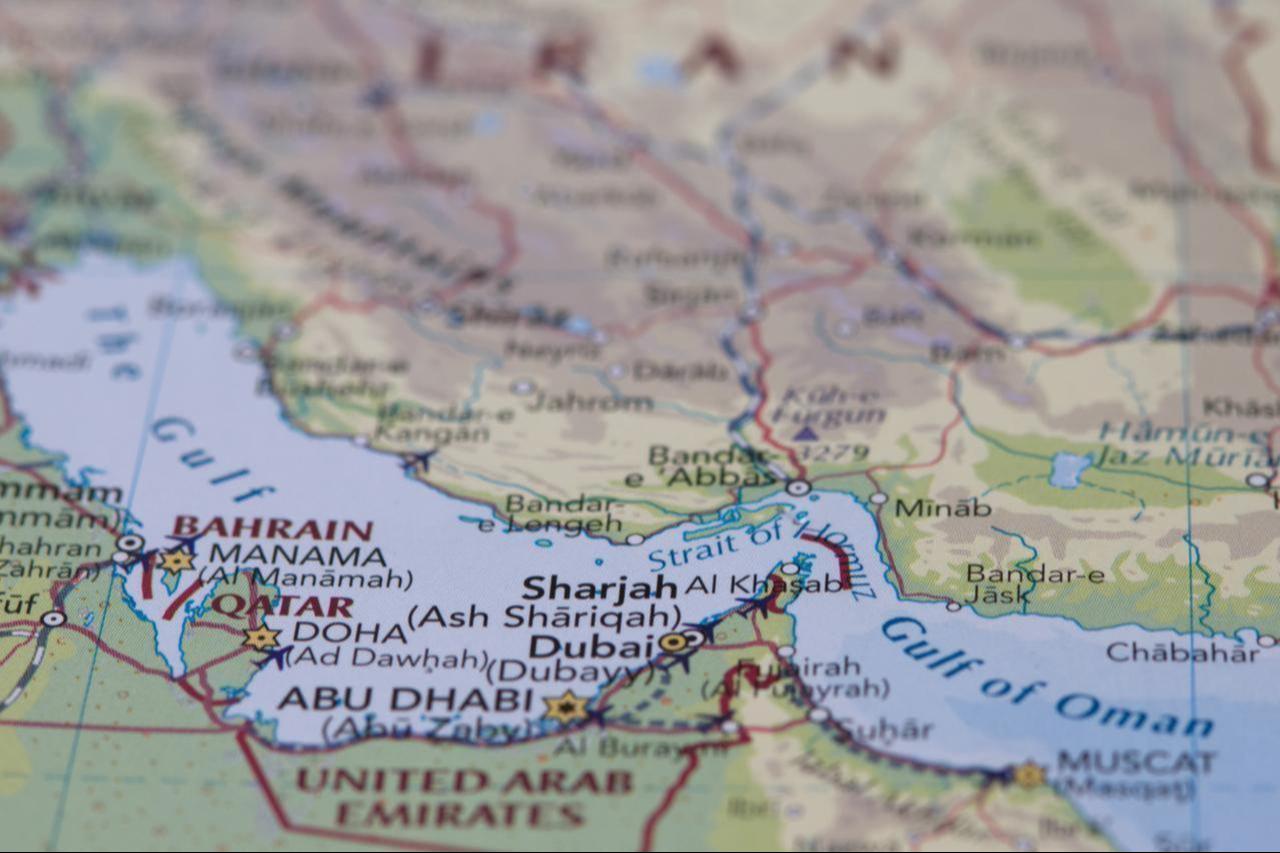

The Strait of Hormuz, one of the world’s most critical oil transit routes, has been effectively disrupted since early March. Around 20 million barrels of oil normally pass through the strait each day, and the disruption has pushed shipping costs higher and driven global oil prices upward, with Brent crude hovering around $100 per barrel.
Sabah described the strait as "a major artery for the global economy," warning that attacks on energy infrastructure risk wider economic fallout. He added that alternative export routes and strategic reserves offer limited relief, describing them as "a drop in the ocean" compared to normal shipment volumes.
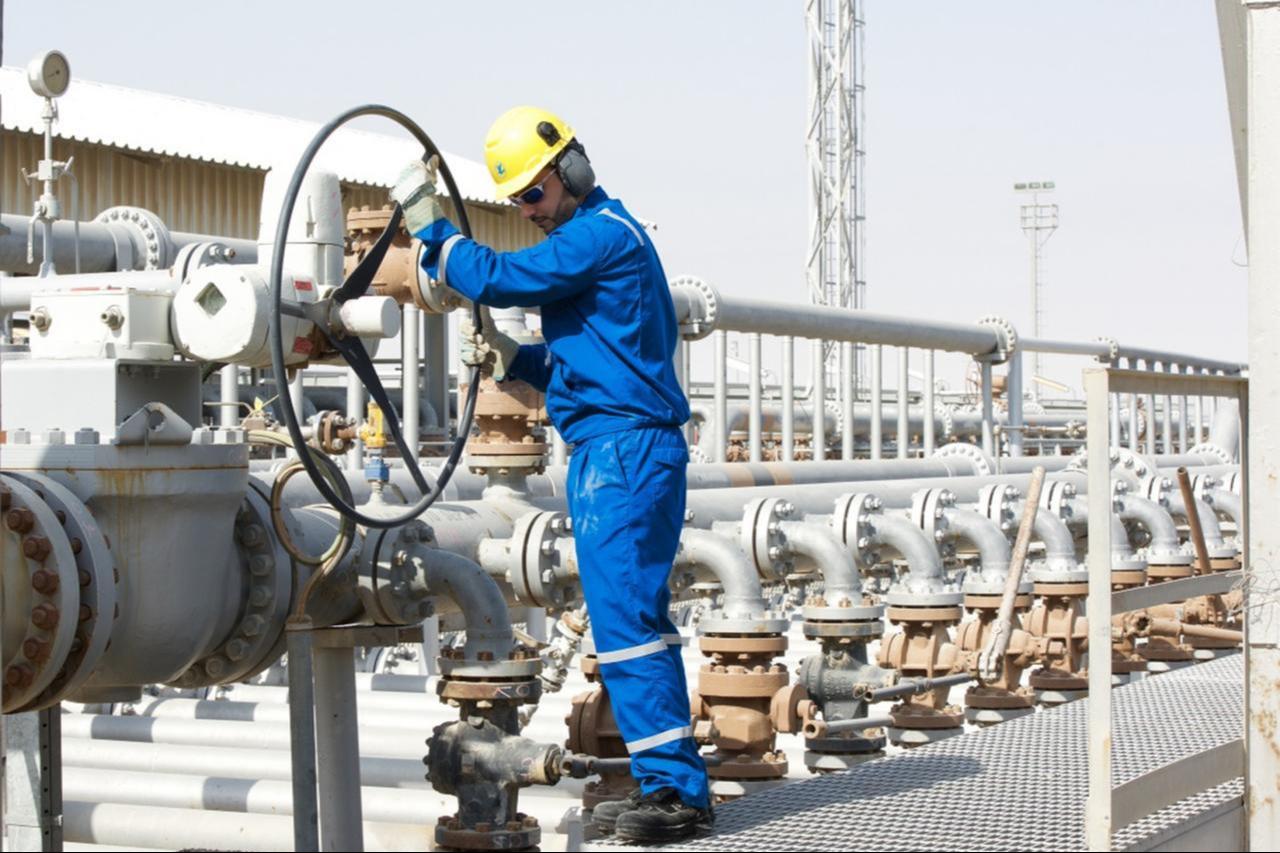
Sabah also said strikes on oil facilities in Kuwait and across the region were "unjustified and illegal," as a series of Iranian drone attacks targeted key refining infrastructure, triggering fires and forcing operational disruptions.
Following Israel's attacks on Iran's South Pars gas field, the world’s largest, Iran conducted missile and drone strikes targeting energy infrastructure and military sites across Gulf countries, including Saudi Arabia, the United Arab Emirates and Qatar, in retaliation.
In Kuwait, drones struck major refinery sites, including the Mina al-Ahmadi complex, one of the country’s largest oil processing facilities, where parts of the operation were temporarily shut down following the incidents. Authorities said emergency teams contained the fires, but the attacks added pressure on already strained production and export capacity.


 Set as preferred source
 Set as preferred source


 2 min read

 1 min read