Newsletters


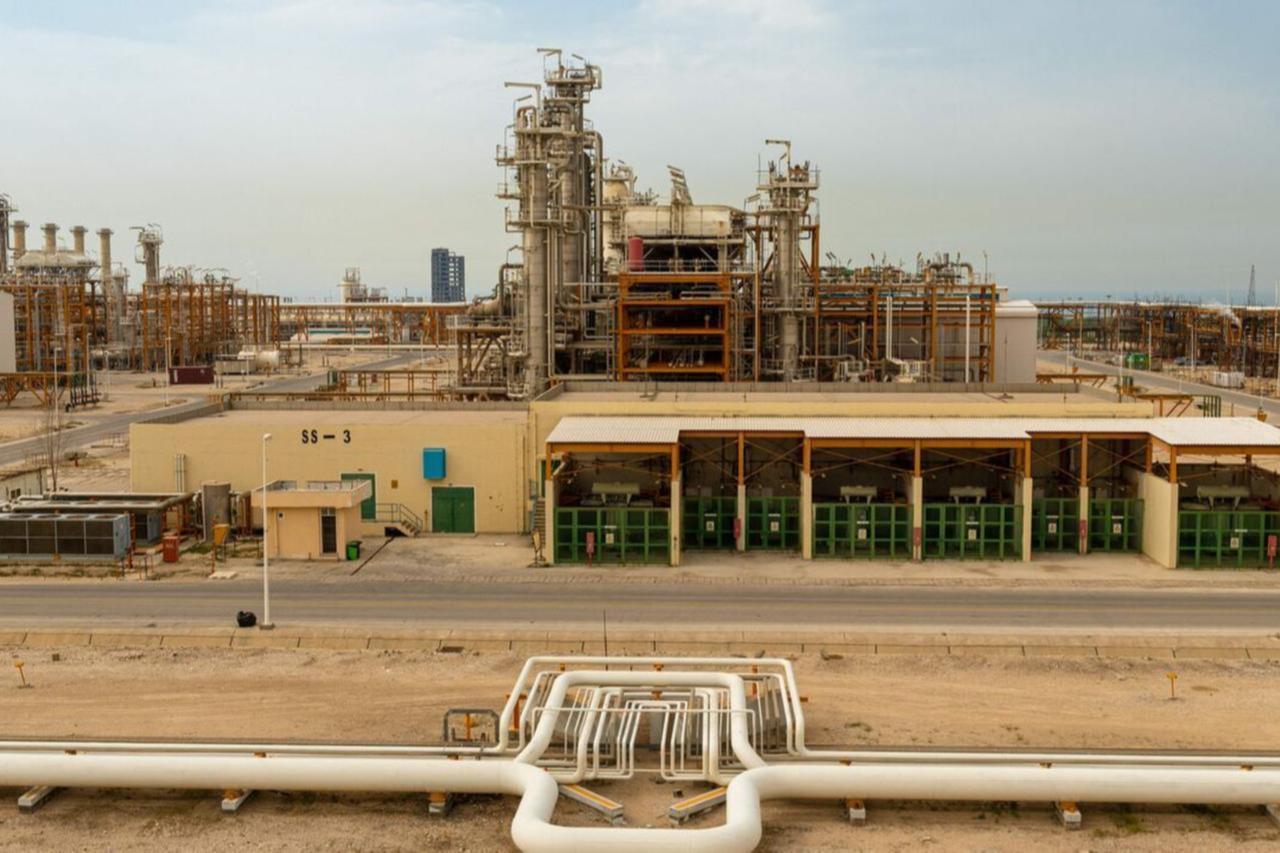


Türkiye's Energy Minister Alparslan Bayraktar has denied reports that Iran has halted natural gas flows to the country, pushing back against claims that escalating military strikes across the Middle East have disrupted one of Ankara's key energy supply lines.
"There is no such thing," Bayraktar told reporters after a cabinet meeting, adding that gas flows from Iran were continuing and that Türkiye's storage facilities were 71 percent full. "There is no problem with natural gas supply," he said.
His denial, however, stands in tension with reports from people familiar with the matter who say Iran has in fact stopped natural gas exports to Türkiye following an Israeli strike on the South Pars gas field on March 18. The conflicting accounts underscore the fog surrounding energy flows in a region convulsed by weeks of military escalation.
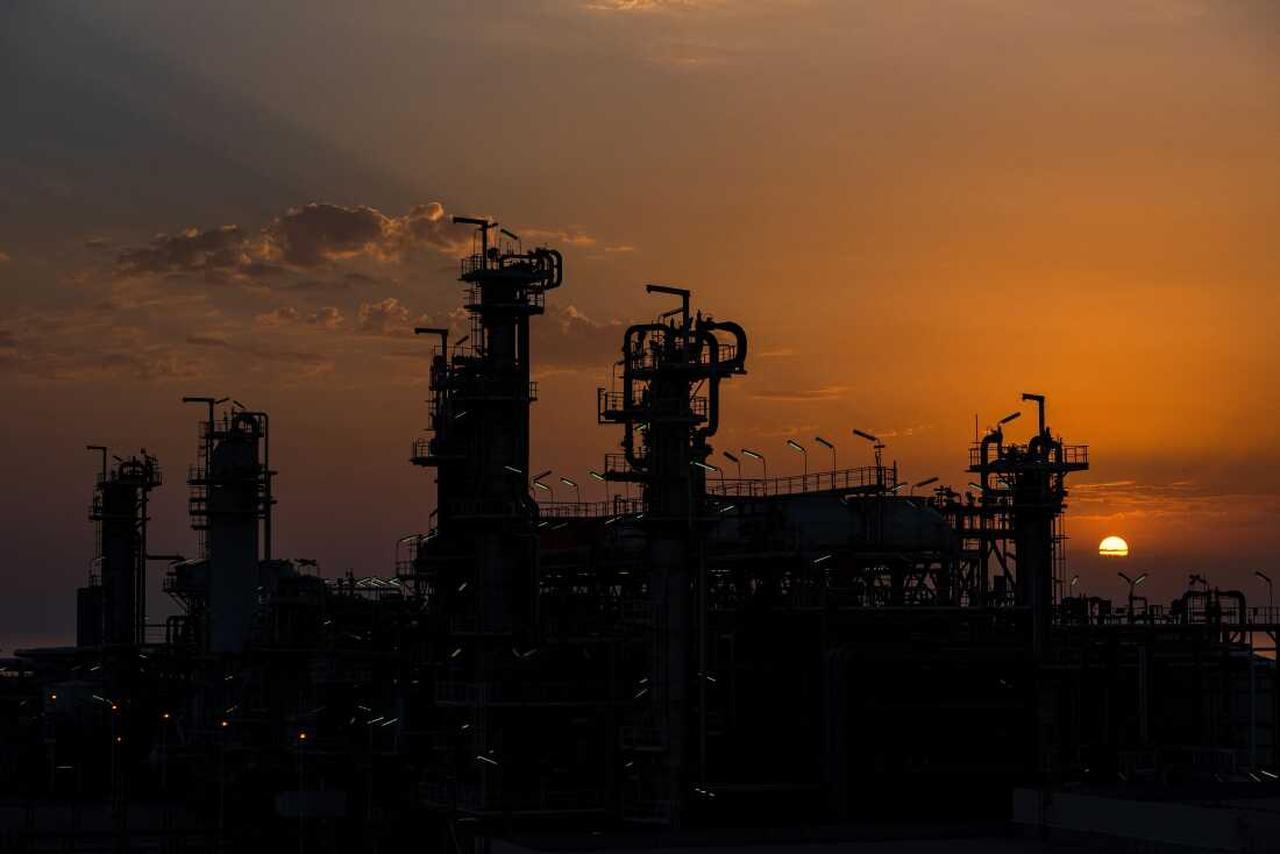

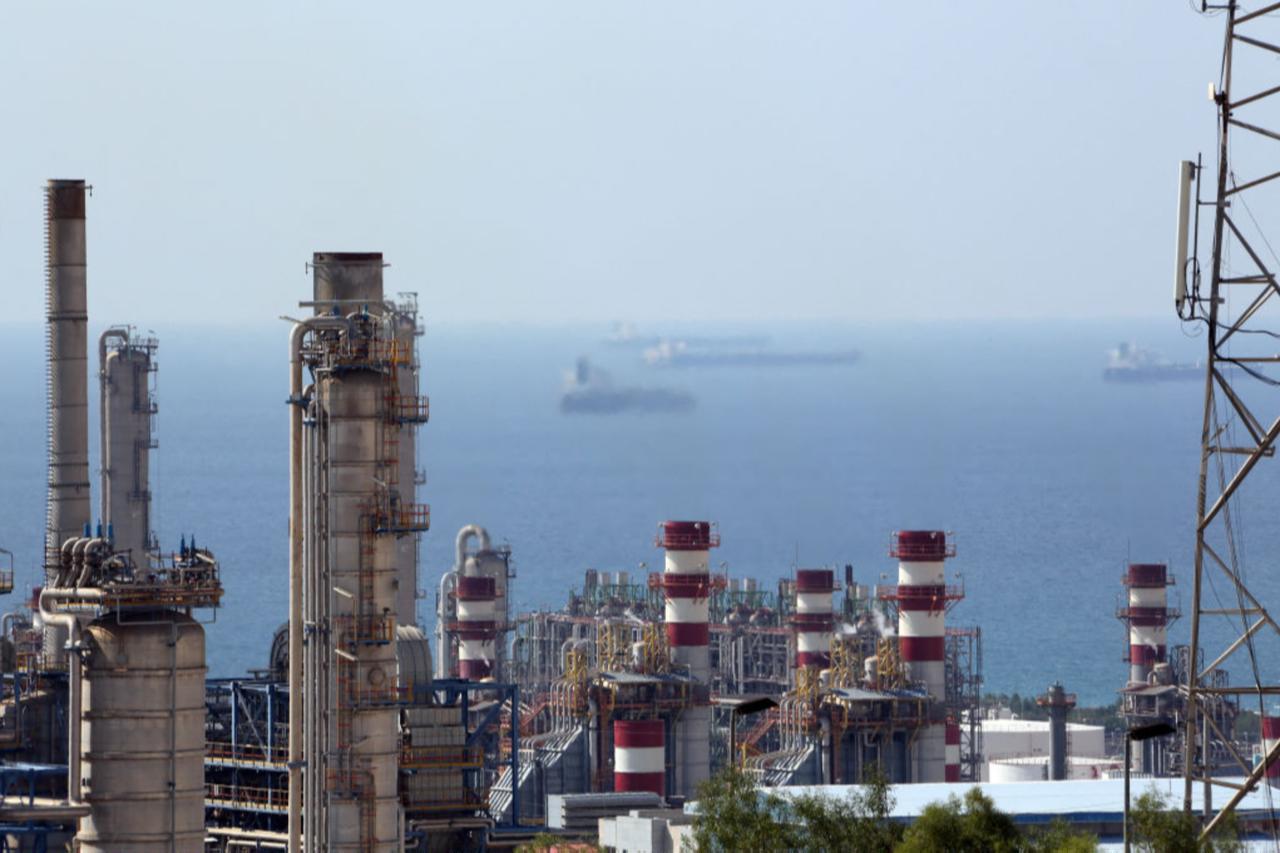
The US and Israel launched a campaign of strikes against Iran beginning on February 28, sending shockwaves through global energy markets. Oil and gas prices surged as the military operations expanded to target critical energy infrastructure, including South Pars, the world's largest natural gas field, which straddles the maritime border between Iran and Qatar in the Persian Gulf.
Israel's strike on South Pars prompted Tehran to retaliate with attacks on energy assets belonging to Gulf Arab states, including Qatar's Ras Laffan complex, which accounts for roughly a fifth of global liquefied natural gas production. Gas prices climbed to their highest level in more than three years before easing as strikes on energy infrastructure subsided.
The European Union also weighed in on the market disruption, acknowledging that rising oil and gas prices were affecting the bloc. Claims that Iran had cut gas supplies to Türkiye spread rapidly on social media, prompting Bayraktar's public rebuttal.
 2 min read
Iran supplied approximately 13 percent of Türkiye's total natural gas imports in 2024, amounting to 7 billion cubic meters, according to Ankara's energy regulator. While that share is significant, Türkiye continues to receive gas from its two largest suppliers, Russia and Azerbaijan, according to people briefed on the situation.
Bayraktar noted in November that Türkiye's gas storage capacity of 6.3 billion cubic meters was fully stocked. With current storage levels at 71 percent, the country holds a substantial buffer, though Türkiye consumed an average of 230 million cubic meters of gas per day in March last year, meaning reserves alone would cover only a limited period.
President Recep Tayyip Erdogan addressed the broader economic impact after the same cabinet meeting, signaling that Ankara would activate protective measures for consumers. "We are implementing measures such as the sliding scale mechanism to shield our citizens from this process that is negatively affecting the world," Erdogan said, adding that "Türkiye's economy is at the highest level of resilience in its history against such unexpected shocks. No one should have any doubt about that."


 Set as preferred source
 Set as preferred source


 1 min read