Newsletters


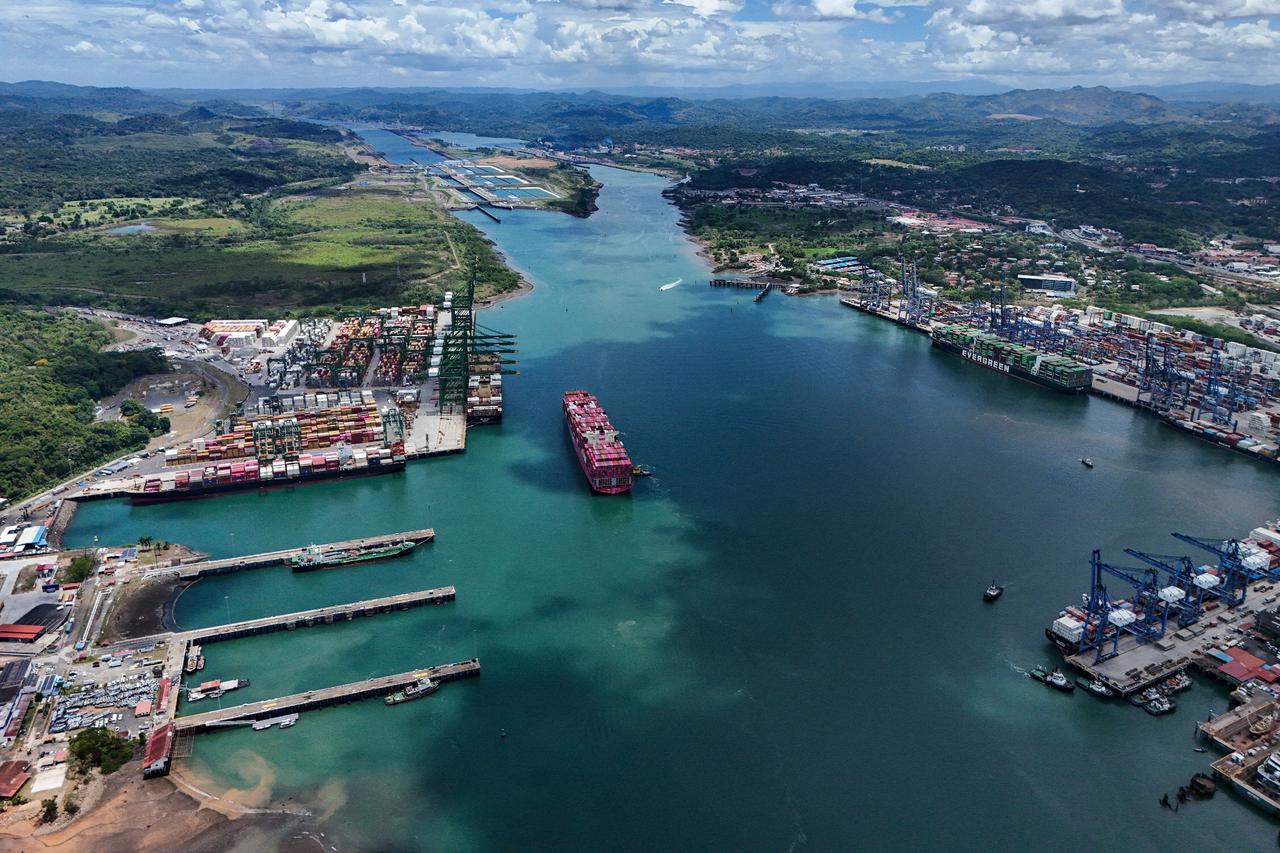


Fees for priority transit through the Panama Canal have surged to record highs, as a sharp shift in Asian oil buying toward the United States, triggered by ongoing disruptions in the Strait of Hormuz.
The Hormuz crisis is pushing more tankers onto the route amid intense competition for limited slots.
Daily canal slot auctions are drawing around five times more bids than before the crisis, pushing average prices for the widely used Panamax locks to $837,500 and Neopanamax slots to $331,250, according to data compiled by Argus Media.
By comparison, average auction prices rose from around $130,000 between October and February to $385,000 in March and April.
Around 70% of vessels transiting the waterway use the Panamax locks, where auction prices have climbed nearly tenfold since the disruption began. The rise reflects stronger demand for shipments of oil, fuel and dry bulk commodities, including coal.
Some operators are paying higher fees to move faster, with auction prices for the largest locks reaching up to $4 million in April, with a single LNG vessel paying that amount for one slot.
While large vessel operators often pre-book slots at lower fixed rates, up to 30% of total canal traffic relies on daily auctions, leaving them exposed to price increases during periods of high demand.
The Panama Canal Authority told the FT that the rise in auction prices reflects market conditions rather than any change in official fees, adding that operations remain stable despite ongoing geopolitical tensions affecting global trade.
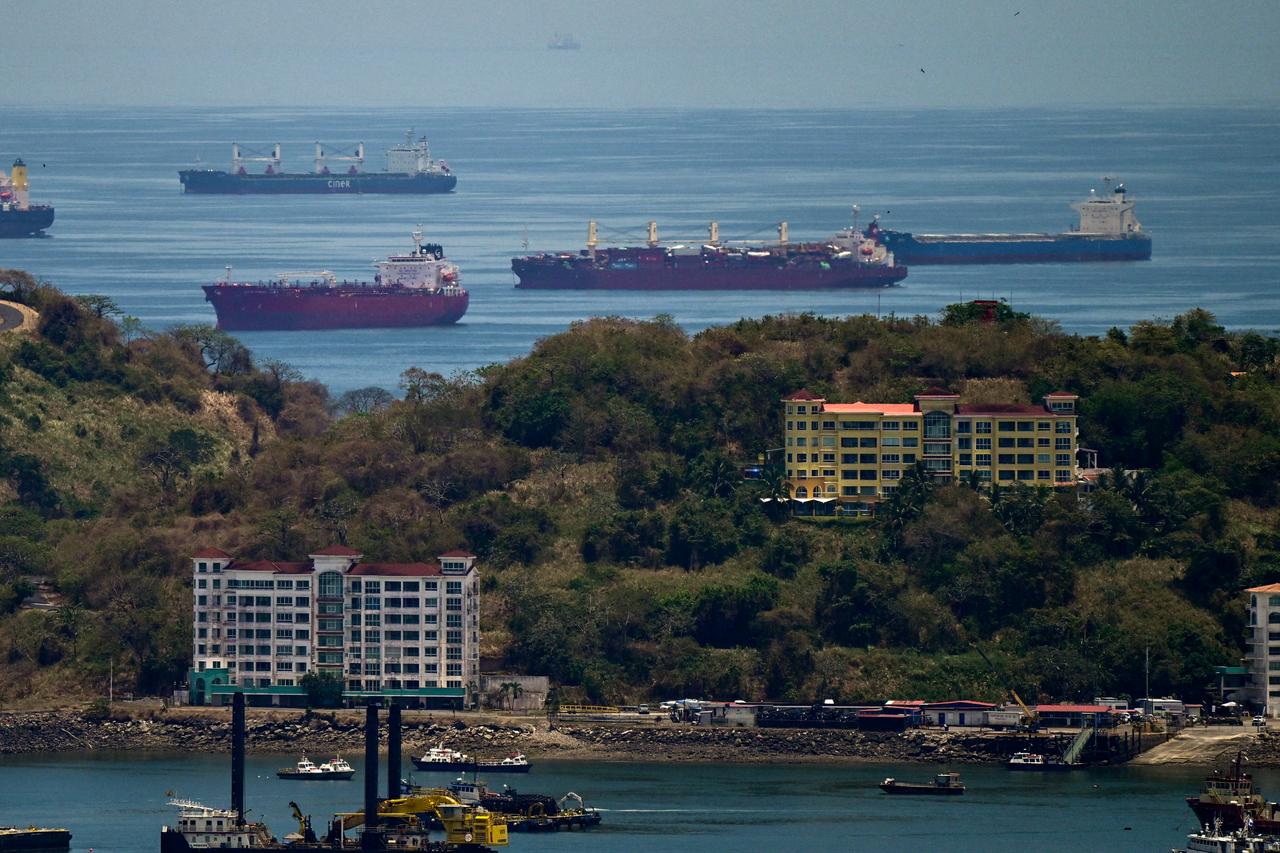

The increase follows Iran’s restrictions on passage through the Strait of Hormuz, which disrupted crude and fuel flows from the Gulf to Asia. In response, buyers across Asia have increased purchases from the U.S. Gulf Coast, redirecting shipping routes through the canal.
The supply disruption began on Feb. 28, when Iran restricted access through the Strait of Hormuz, reducing flows to global markets and pushing oil prices above $100 per barrel.
Stronger short-term demand for U.S. crude at the peak of tensions pushed benchmark WTI above Brent in a rare move before the ceasefire, driven by fears of prolonged supply constraints for the international benchmark.
Although Iran agreed to reopen the strait last week, continued U.S. naval restrictions on Iranian ports led Tehran to limit access again shortly afterward.


 Set as preferred source
 Set as preferred source


 1 min read
 1 min read