Newsletters


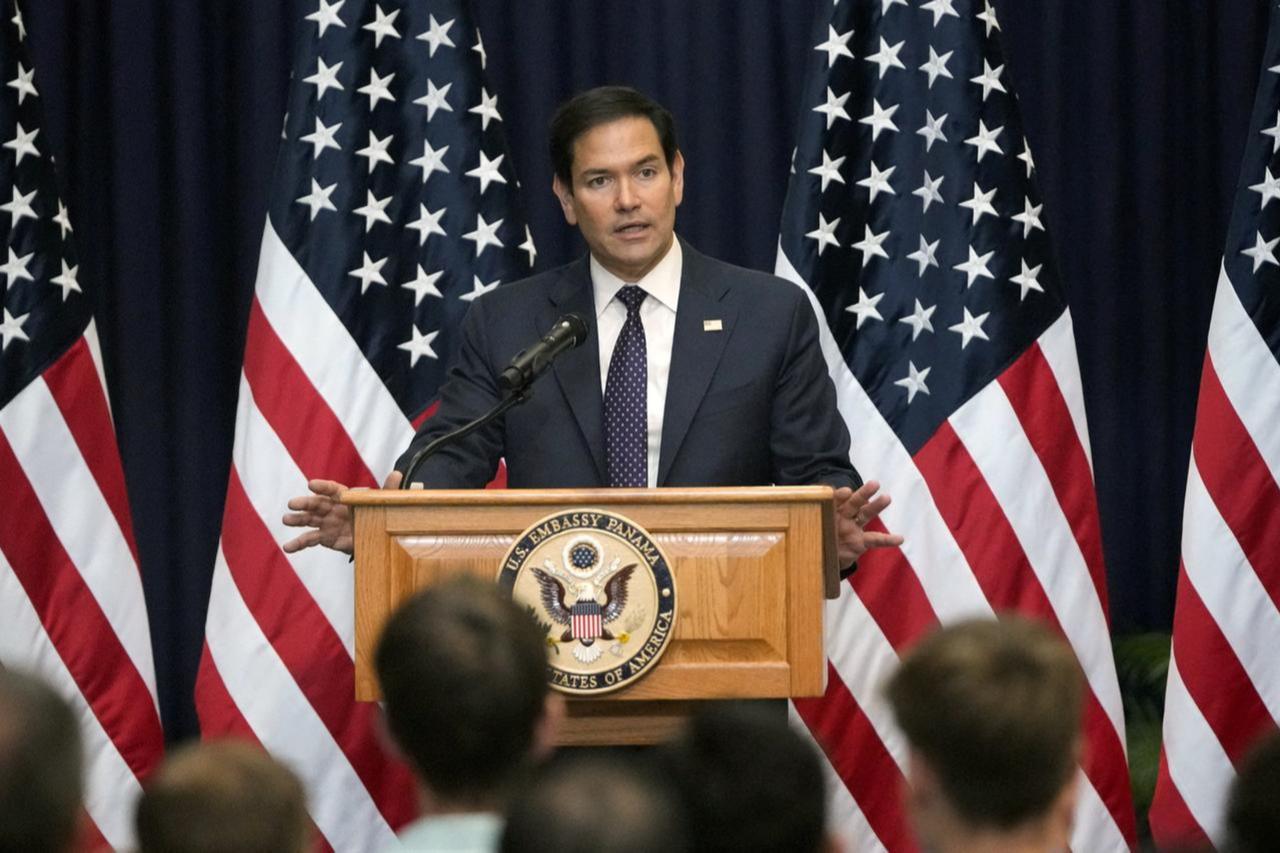


Secretary of State Marco Rubio on Thursday accused China of using economic pressure against Panama-flagged vessels in a move he said threatens the stability of international commerce, escalating a diplomatic standoff over control of key terminals at the Panama Canal.
Rubio described China's actions as raising "serious concerns about the use of economic tools to undermine the rule of law in Panama, a sovereign nation and vital partner for global commerce." He warned that detentions, delays and other impediments affecting such vessels erode confidence in the international trading system and drive up costs for businesses and consumers worldwide.
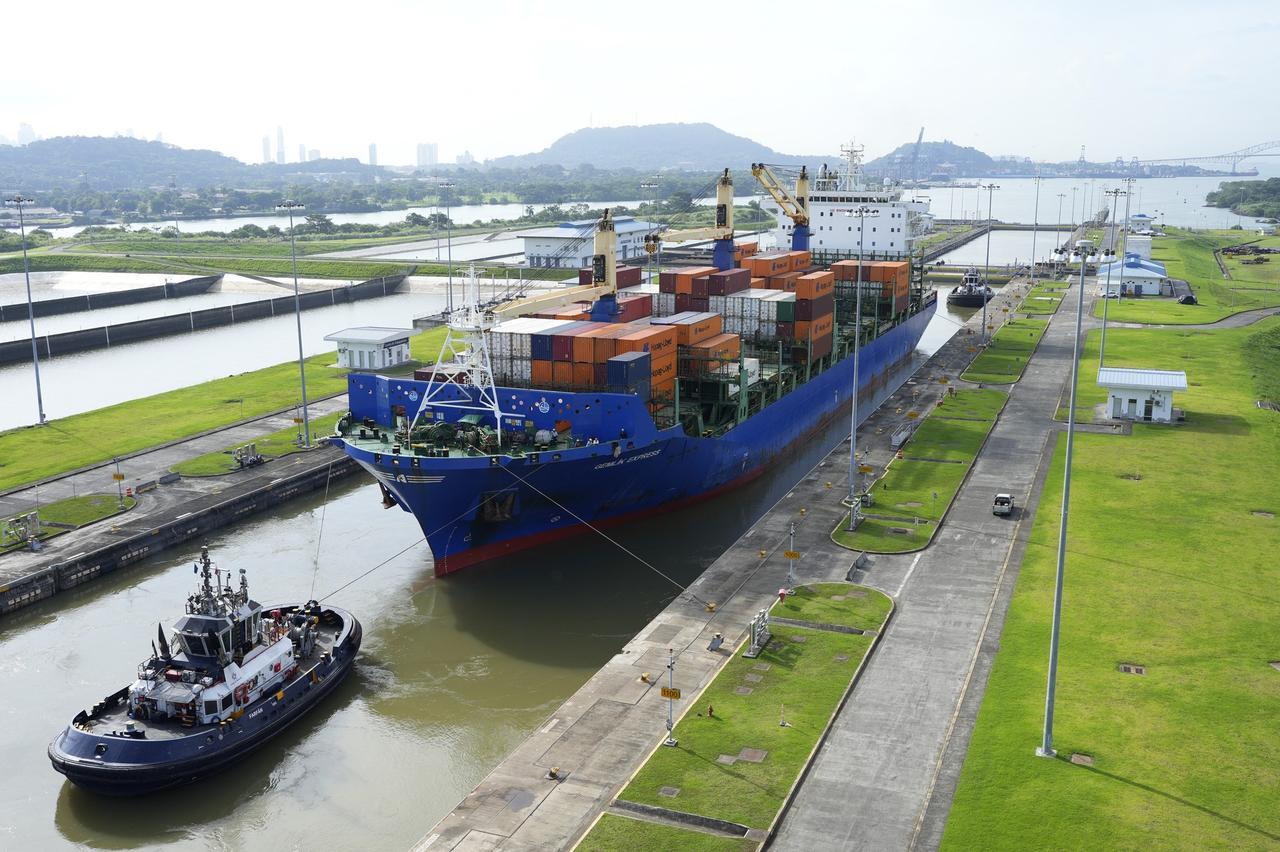

The confrontation stems from a ruling by Panama's Supreme Court involving the Balboa and Cristobal terminals, two strategic port facilities flanking the canal's Pacific and Atlantic entrances. Rubio said the ruling upheld transparency and accountability, while the US Federal Maritime Commission last week reported monitoring a surge in detentions and inspections of Panama-flagged vessels in Chinese ports since early March, activity it linked to the dispute following a court decision against Hong Kong-based CK Hutchison, the conglomerate that held operating rights at those terminals.
The Panama Canal, opened in 1914, is one of the world's most critical maritime chokepoints, handling roughly 3 to 5 percent of global seaborne trade annually. Control over its port facilities has long carried strategic as well as commercial significance.
China rejected the accusations. Chinese Foreign Ministry spokesperson Lin Jian charged that recent US claims "only expose its own intention to seize the canal," according to Chinese state media, framing Washington's involvement as driven by imperial ambition rather than concern for rule of law. The exchange reflects a broader pattern of US-China friction over infrastructure and trade routes in strategically sensitive regions.
Rubio closed his statement with a pledge of closer bilateral ties, saying the United States "stands firmly with Panama and looks forward to increasing our economic and security cooperation with this important partner." The declaration signals Washington's intent to deepen engagement with Panama at a moment when the canal's governance has become a flashpoint in great-power competition.


 Set as preferred source
 Set as preferred source


 2 min read
 1 min read