Newsletters


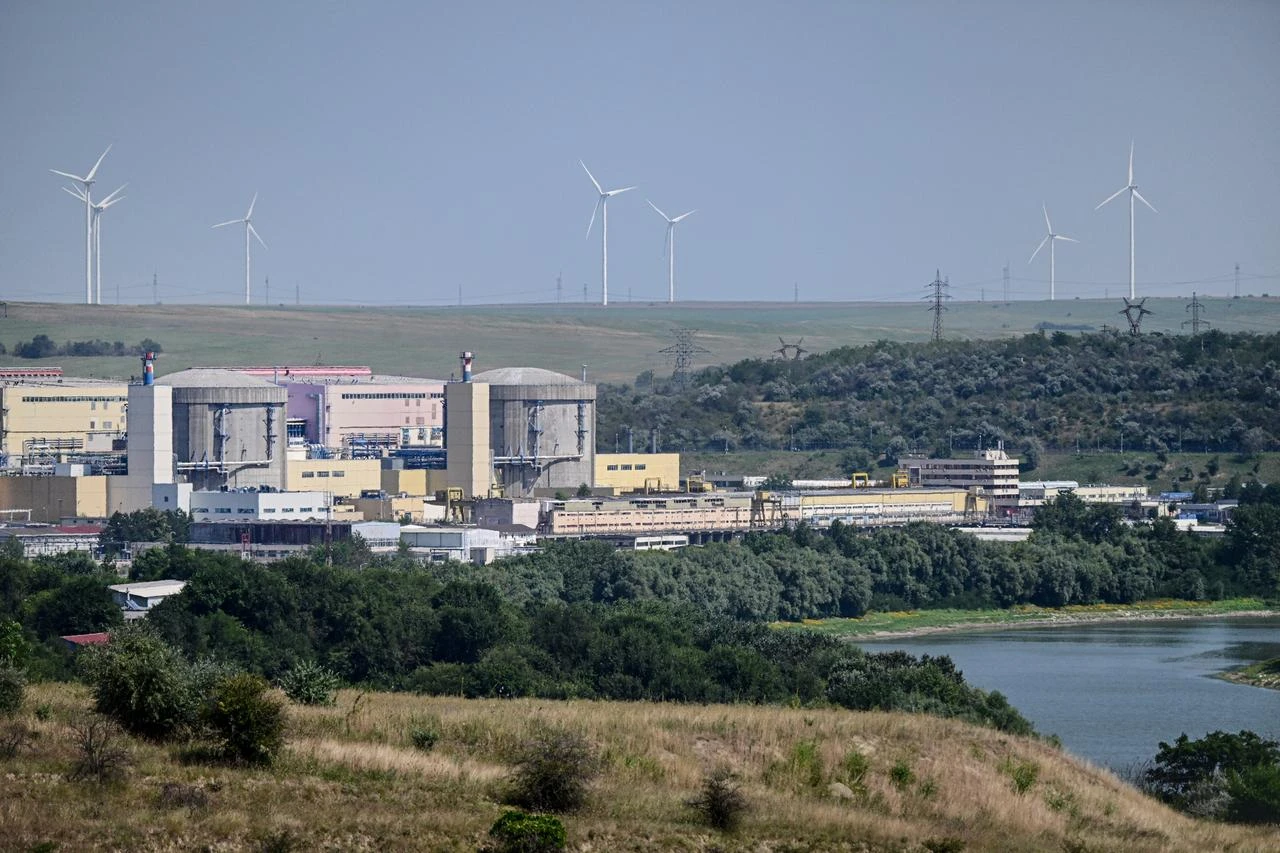


Romania is seeking to unblock a long-delayed project designed to secure cooling water for the Cernavoda nuclear power plant after drought and declining Danube water levels forced both reactors to shut down.
Interim Prime Minister and Energy Minister Ilie Bolojan signed a decision on Thursday creating an interministerial committee to advance the Bala 2 project, which is intended to increase water flow to the nuclear plant.
The shutdown leaves Romania without more than 1,300 MW of nuclear generating capacity. Cernavoda's two CANDU-6 reactors, each with a capacity of about 706 MW, normally provide around 20% of the country's electricity generation.
Unit 1 was shut down in late July after the Danube's water level fell sharply, while Unit 2 began a controlled shutdown on Aug. 13 as the river continued to recede. The plant relies on Danube water for cooling, making its operation dependent on maintaining sufficient river levels.
Before the second shutdown, authorities tried to keep the reactor running by dredging the riverbed, detonating a rock obstruction and sinking rock-filled barges to redirect water toward the plant, but the Danube eventually fell below the level needed for continued operation.
Bolojan said there is currently no risk to national electricity supplies, as authorities are replacing the lost nuclear generation with hydroelectric, wind and coal-fired power, as well as imports. Romania has about 4,000 MW of cross-border import capacity.
Bolojan has also pointed to delays in the Bala project, which was approved in 2024 and is designed to manage Danube water flow near Cernavoda. The project is intended to provide a more reliable cooling-water supply for the plant and, according to studies cited by Nuclearelectrica, could allow four reactors at the site to operate at full capacity.
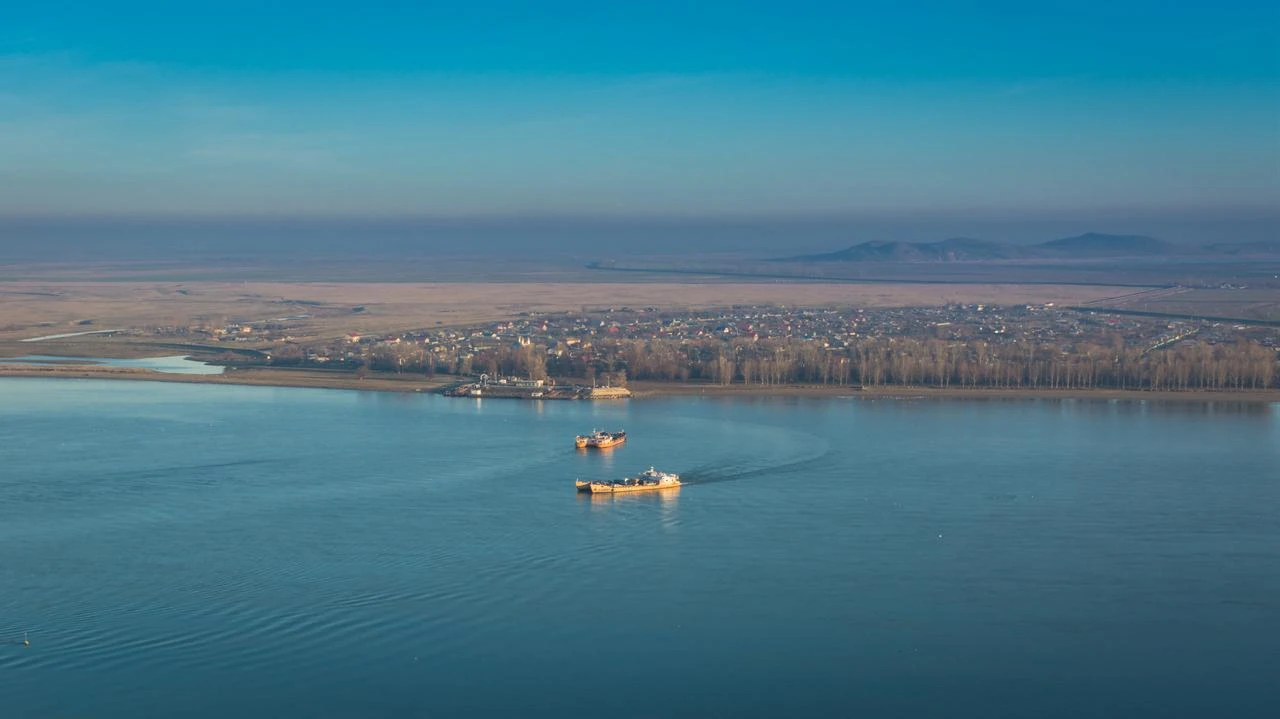

The Bala 2 project includes hydrotechnical works, dredging and measures to improve navigation safety. Project data indicate that the investment would raise water levels on the Old Danube by more than 1 meter and nearly double its flow.
The feasibility study began about 10 years ago, while the project received all required approvals, including a government decision on its investment indicators, in 2024. The Transport Ministry did not previously consider the project a priority and did not finance it.
The government now plans to prioritize the project, review the proposed technical solutions, update costs and secure financing. The Galati River Administration will organize the tender for design and construction.
Bolojan said the works could realistically be completed within three years and would provide cooling water for Cernavoda's first and second reactors, as well as the planned third and fourth units.
Romania has been legally committed since 2023 to taking the necessary steps through the Transport Ministry to secure cooling water for four nuclear units at the Cernavoda site, according to local outlet profit.ru.
The commitment is part of the second phase of a broader project to improve navigation conditions on the Danube between Calarasi and Braila.


 Set as preferred source
 Set as preferred source


 2 min read
 1 min read