Newsletters


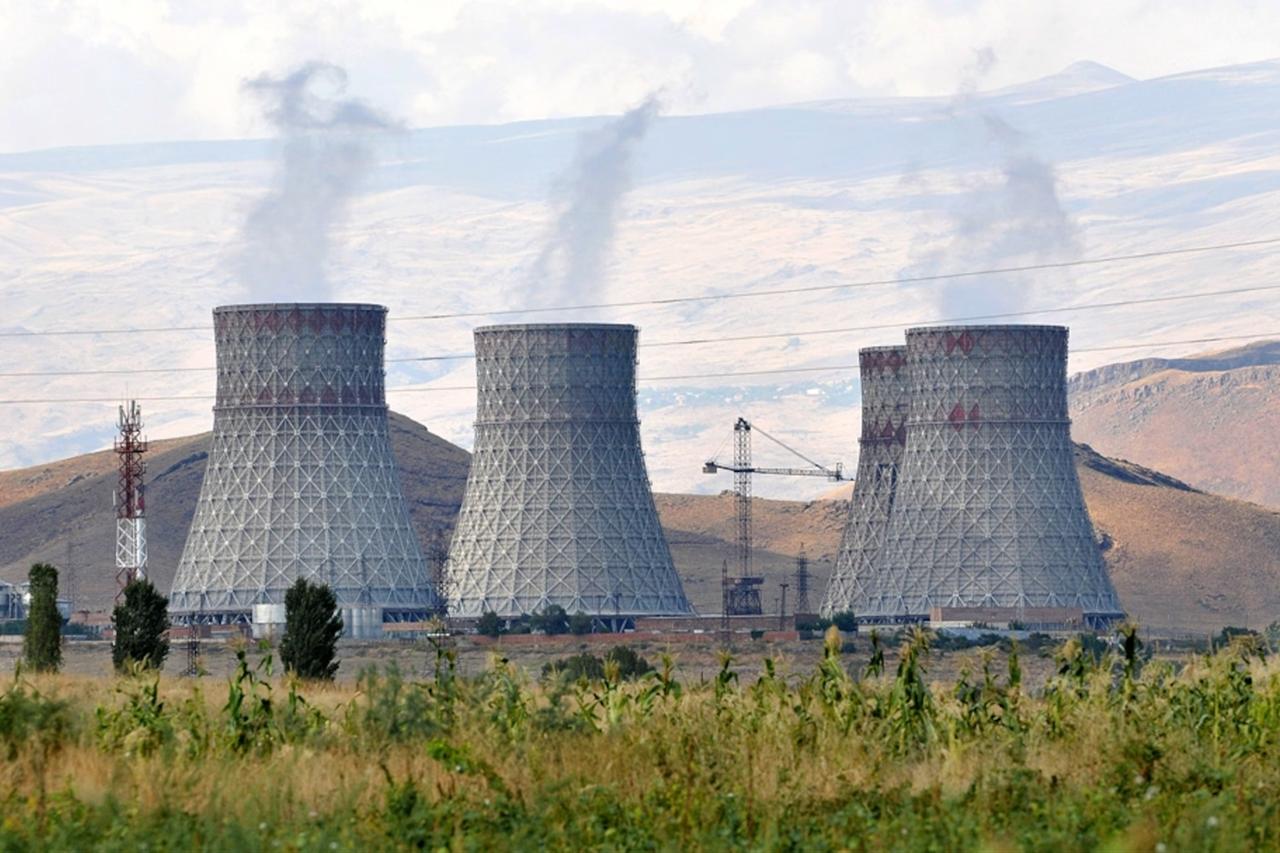


Russia’s state nuclear corporation Rosatom is pushing to extend the operation of Armenia’s Metsamor Nuclear Power Plant for another 10 years, keeping the Soviet-era facility online well into the 2030s despite longstanding safety concerns surrounding the plant.
Rosatom Director General Alexei Likhachev told reporters the company had already aligned with Armenian authorities on the next phase of the plant’s operation and was preparing the necessary paperwork for a fresh extension.
The current modernization and life-extension program, which allows the facility to operate through 2026, has already been completed, Likhachev noted. Rosatom and Armenian officials are now working on plans that would extend the plant’s lifespan until 2036.
The future of the Metsamor plant beyond that period remains unclear, with Armenia continuing discussions over whether to build a replacement reactor or pursue alternative nuclear energy plans.
"Technologically, we understand it could be extended until 2036 inclusive," he stated. "We're waiting for Armenia to reach a decision in the coming months on how to resolve the issue in the mid-2030s," Likhachev remarked, referring to the eventual decommissioning of the existing facility.
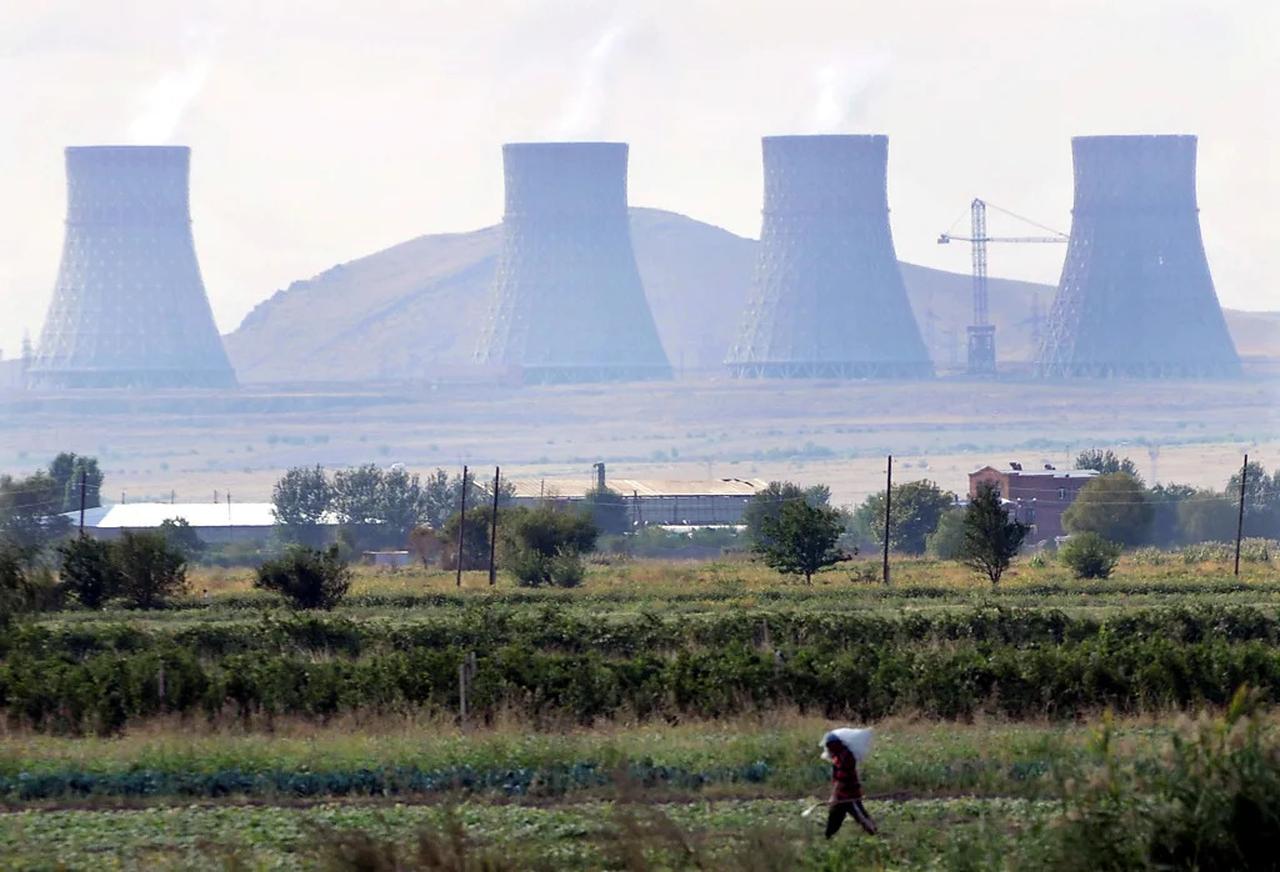

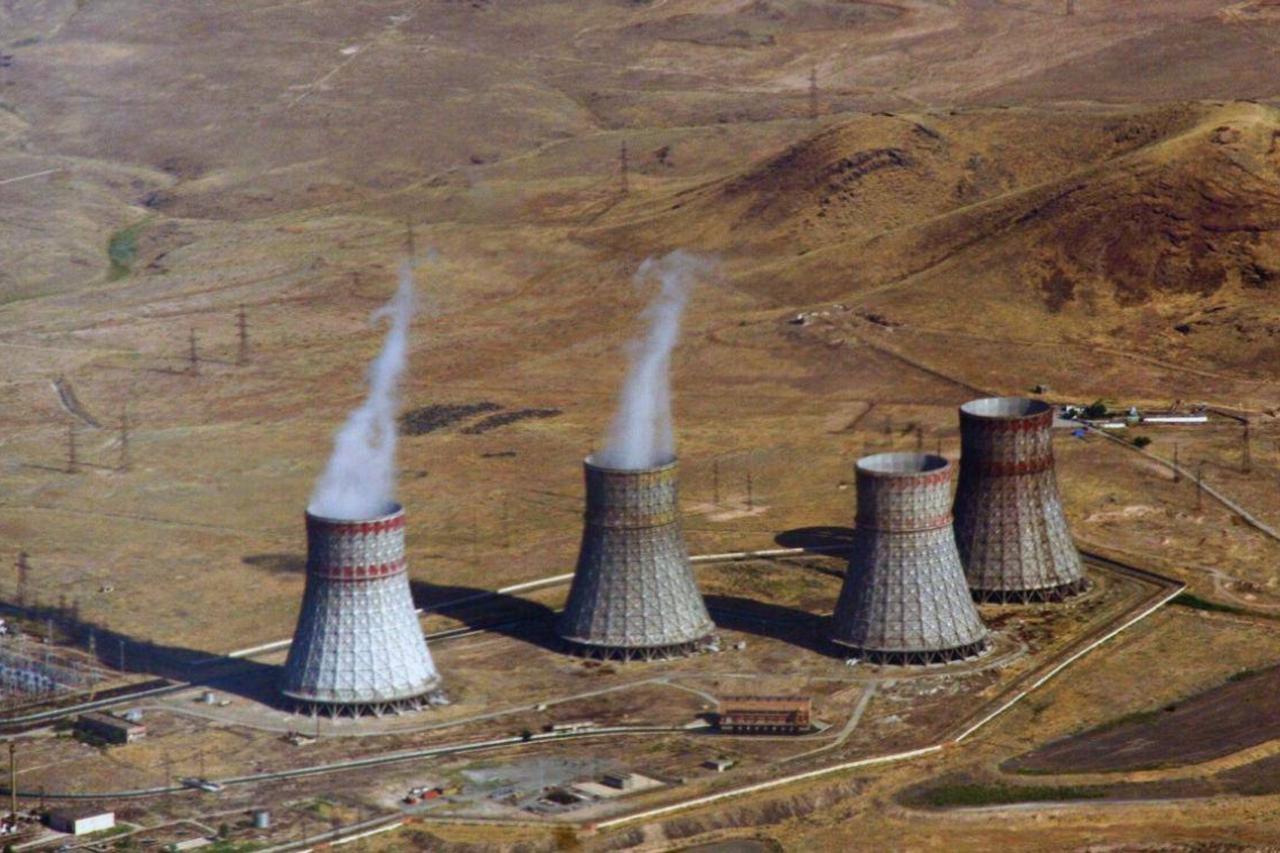
The Metsamor Nuclear Power Plant is one of Armenia’s main electricity sources, generating roughly 30% to 40% of the country’s power output through a single Soviet-designed VVER-440 Model V270 reactor with a gross capacity of around 407.5 megawatts.
The plant, located about 36 kilometers west of Yerevan and only 16 kilometers from the Turkish border, originally operated two reactor units before one was permanently shut down following the 1988 Spitak earthquake.
The facility has faced years of criticism from environmental groups, neighboring countries and European institutions because of its Soviet-era design, lack of a secondary containment structure and location in a seismically active zone.
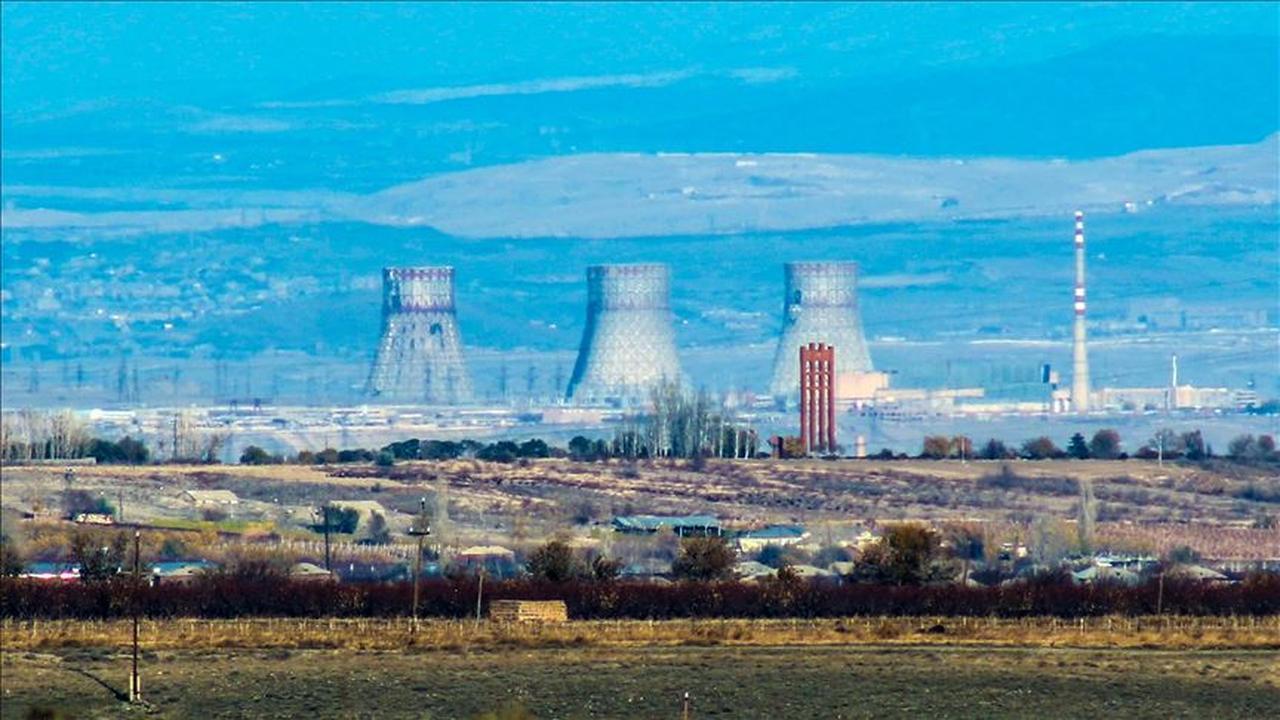
The reactor was initially designed for a 30-year operational lifespan, but Armenia restarted the plant in 1995 after severe post-Soviet energy shortages despite international concerns over safety standards. Critics have repeatedly warned that the plant sits near major fault lines in an earthquake-prone region where seismic activity can reach magnitudes of up to 8.
Rosatom delivered a detailed package of proposals to Armenia in late 2025 covering the possible construction of a replacement nuclear unit as Yerevan weighs long-term energy options beyond 2036.
Armenian officials are also holding talks with the United States, France, South Korea and China over future reactor projects, according to Russia’s Interfax news agency.
Prime Minister Nikol Pashinyan previously indicated that Armenia could consider extending Metsamor’s operation until 2046 while pursuing a next-generation reactor or small modular reactor project.


 Set as preferred source
 Set as preferred source


 1 min read
 1 min read