Newsletters


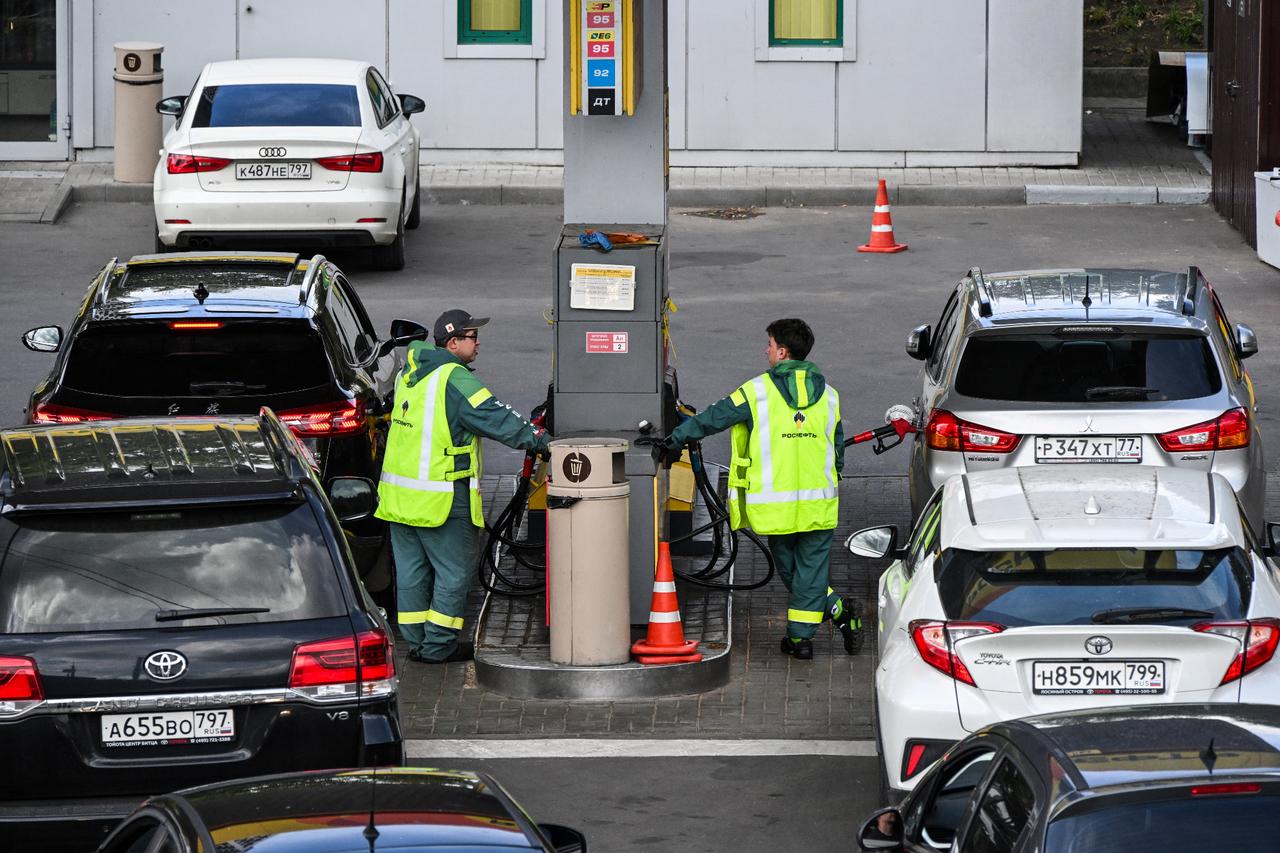


Russia prolonged restrictions on exports of diesel, marine fuel and kerosene until Sept. 30, according to a statement issued Saturday, with the government citing the need to maintain stability in the domestic fuel market.
The government also kept the gasoline export ban in place until Jan. 31, 2027, while restrictions on jet fuel exports will remain in effect until Nov. 30, the statement said.
The measures follow repeated Ukrainian drone strikes that have disrupted Russian refinery operations and worsened a fuel shortage that has spread across several regions. After conditions briefly improved in late July, shortages returned in August as fresh attacks knocked out additional refining capacity.
Several major gasoline-producing refineries were hit by Ukrainian drone strikes over the past week, including plants in Perm, Nizhny Novgorod and Yaroslavl. The attacks forced the facilities into emergency shutdowns and further widened the gap between domestic gasoline production and demand.
Kpler reported that at least 25 Russian refineries had been affected by Ukrainian drone strikes since August 2025.
The attacks had damaged crude distillation units, secondary processing equipment, storage tanks, pipelines and other infrastructure, with affected facilities often requiring inspections and repairs before they could restart.
By mid-July, Kpler had estimated that refinery downtime and attacked capacity had reached about 4.3 million barrels per day, or roughly 58% of Russia's refining capacity. Around 1.5 million to 2 million barrels per day of processing capacity had effectively been offline at the time.
The disruption had already pushed Russian oil refining to 4.1 million barrels per day in June, according to Kpler, the lowest level in recent years.
The government responded with export restrictions, increased imports and postponed refinery maintenance. Deputy Prime Minister Alexander Novak said July 21 that those measures had helped bring partial stability to the domestic market and had allowed some regional fuel-sale restrictions to be lifted.
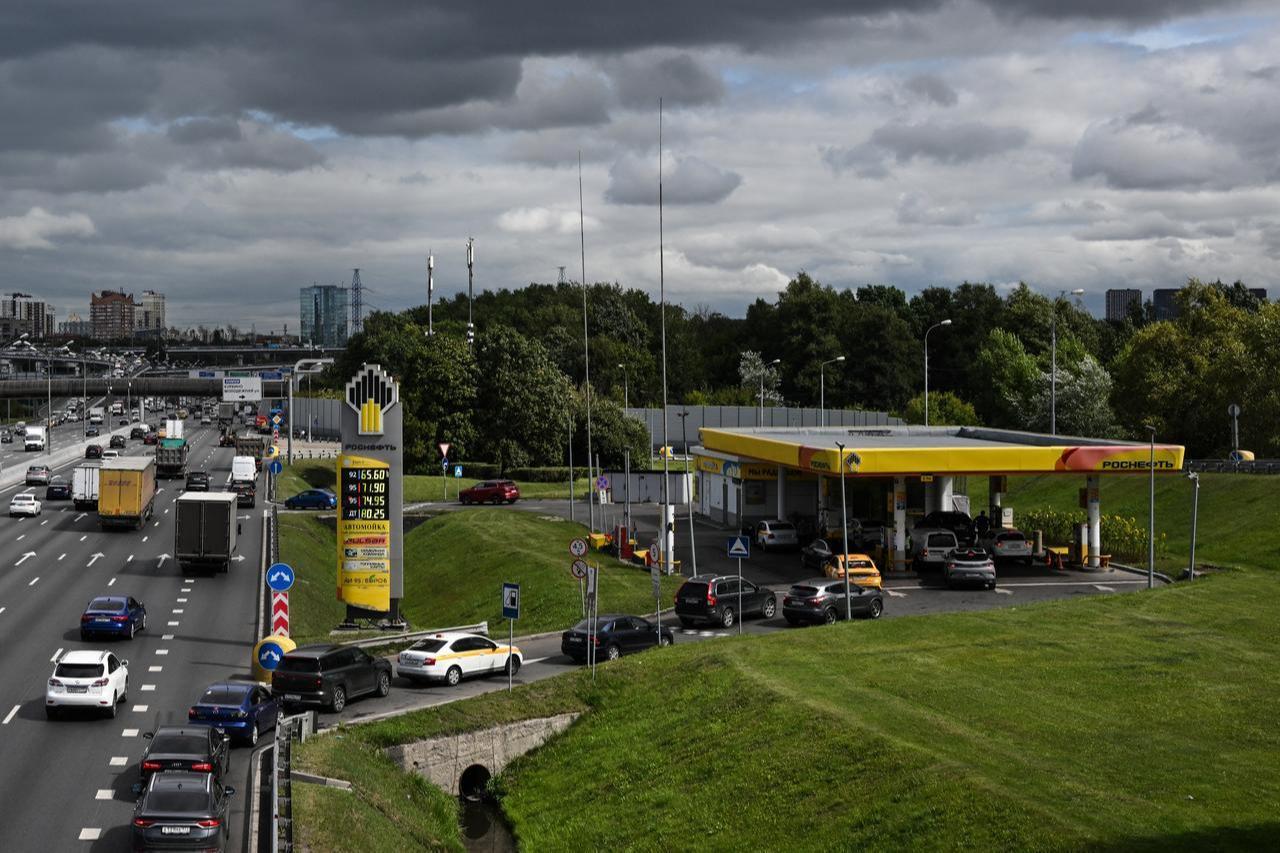

The fuel deficit has pushed Russia to increase gasoline imports from India, Belarus and Kazakhstan as domestic refinery output remains below demand.
Russia had received more than 1 million barrels of gasoline by sea since late July, according to S&P Global Commodities at Sea data. Moscow had also ordered its first gasoline shipment from Türkiye, with a tanker carrying about 200,000 barrels expected to arrive in the week of Aug. 24, S&P Global reported.
Moscow has also increased fuel supplies by rail from Belarus and Kazakhstan, while additional shipments from Asia have helped replenish domestic stocks.
The import push comes as Russia has started drawing on its own fuel reserves to meet domestic needs. President Vladimir Putin said in late June that previously accumulated fuel stocks had entered the domestic market, with gasoline reserves standing at 1.7 million tons, down 4% from a year earlier.
Despite the additional imports and the gasoline export ban, supplies remain below demand. Reuters estimated that domestic production and imports could cover about 85% of gasoline demand in August, averaging around 97,000 tons per day.
Russia's Federal State Statistics Service (Rosstat) reported that the average retail price of gasoline reached 77.05 rubles per liter on Aug. 24, up from 76.38 rubles a week earlier. Gasoline prices rose 0.9% during the week through Aug. 24 and were 19.4% higher than at the end of 2025.


 Set as preferred source
 Set as preferred source


 1 min read

 1 min read