Newsletters


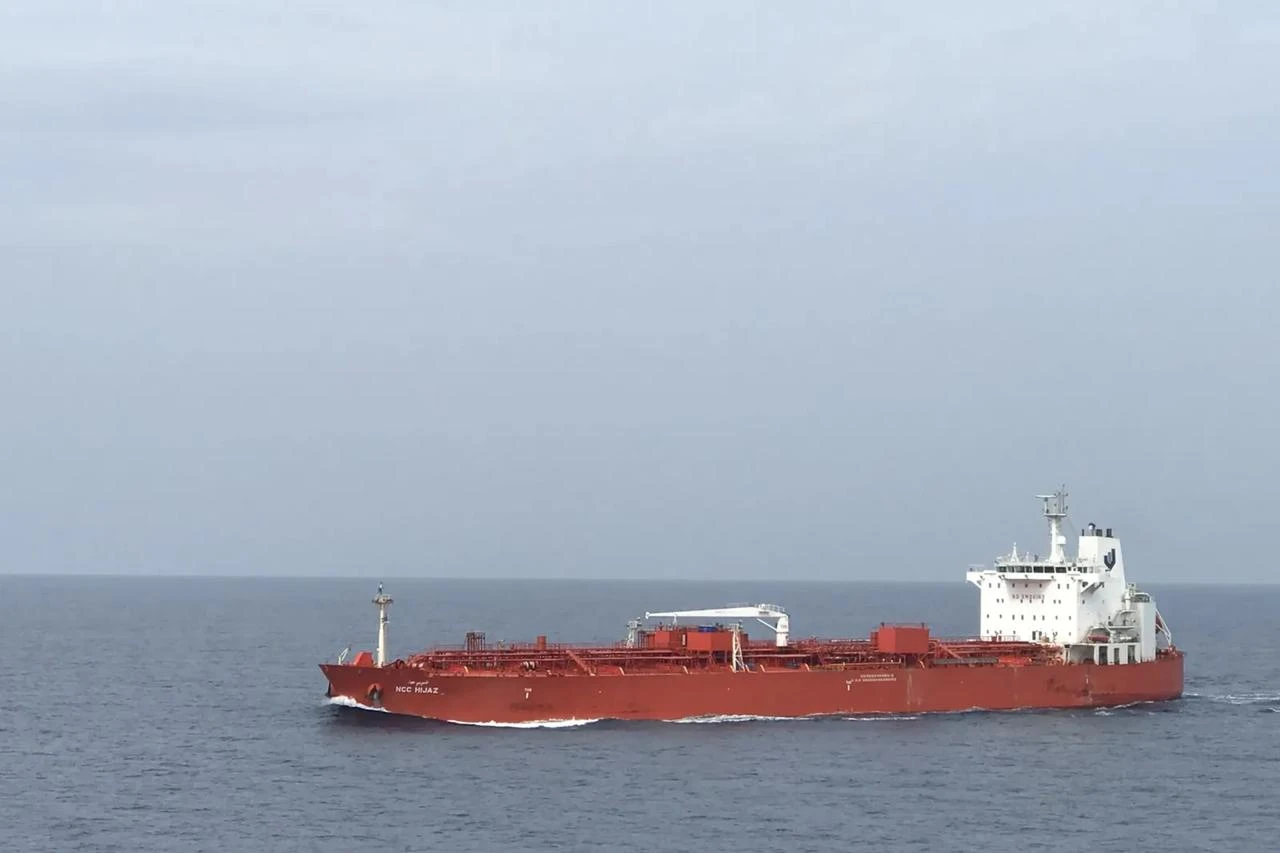


Russia is slated to receive its fifth confirmed seaborne gasoline delivery since late July and its first from Türkiye, adding a new supply route as Moscow grapples with a growing domestic fuel shortfall, according to the report.
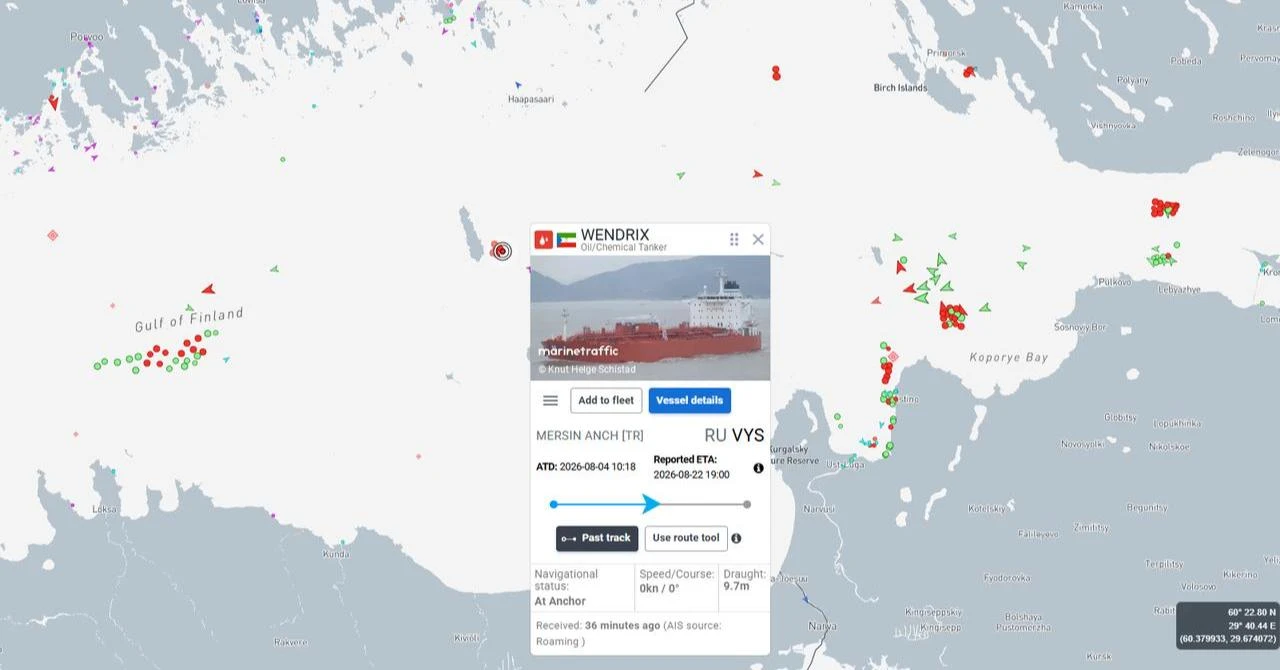
The Medium Range tanker Wendrix, which loaded at the port of Mersin, is carrying 200,000 barrels of gasoline and is expected to reach Russia next week, S&P Global Commodities reported.
The tanker’s exact discharge port is not known, but the vessel was sailing through the Baltic Sea off Latvia on the late afternoon of Aug. 21 after passing Kaliningrad, which is home to one of Russia’s four Baltic Sea ports.
Russia has received three vessels loaded at India’s Vadinar terminal through ship-to-ship transfers near Egypt over the past month, while a separate cargo arrived from Morocco at the end of July, according to Kpler ship-tracking data.
The three shipments from India carried 356,000, 325,000 and 325,000 barrels, while the Moroccan cargo carried 300,000 barrels. Overall, Russian seaborne gasoline imports have exceeded 1 million barrels since the end of July, the report indicated.
Türkiye exported 6.6 million tons of petroleum products in January–June 2026, with the United States as the largest destination at 1.5 million tons.
Russia was among Türkiye’s larger export destinations, receiving 140,996 tons, including 118,085 tons of aviation fuel, 22,836 tons of marine fuel and 76 tons of other products, according to official data.

Russia, historically one of the world’s largest motor fuel exporters, began importing gasoline by sea in July as Ukrainian strikes hit its energy infrastructure. Russian crude runs averaged 3.7 million bpd in July, down 28% from the 2025 average, according to S&P Global Energy CERA analysts.
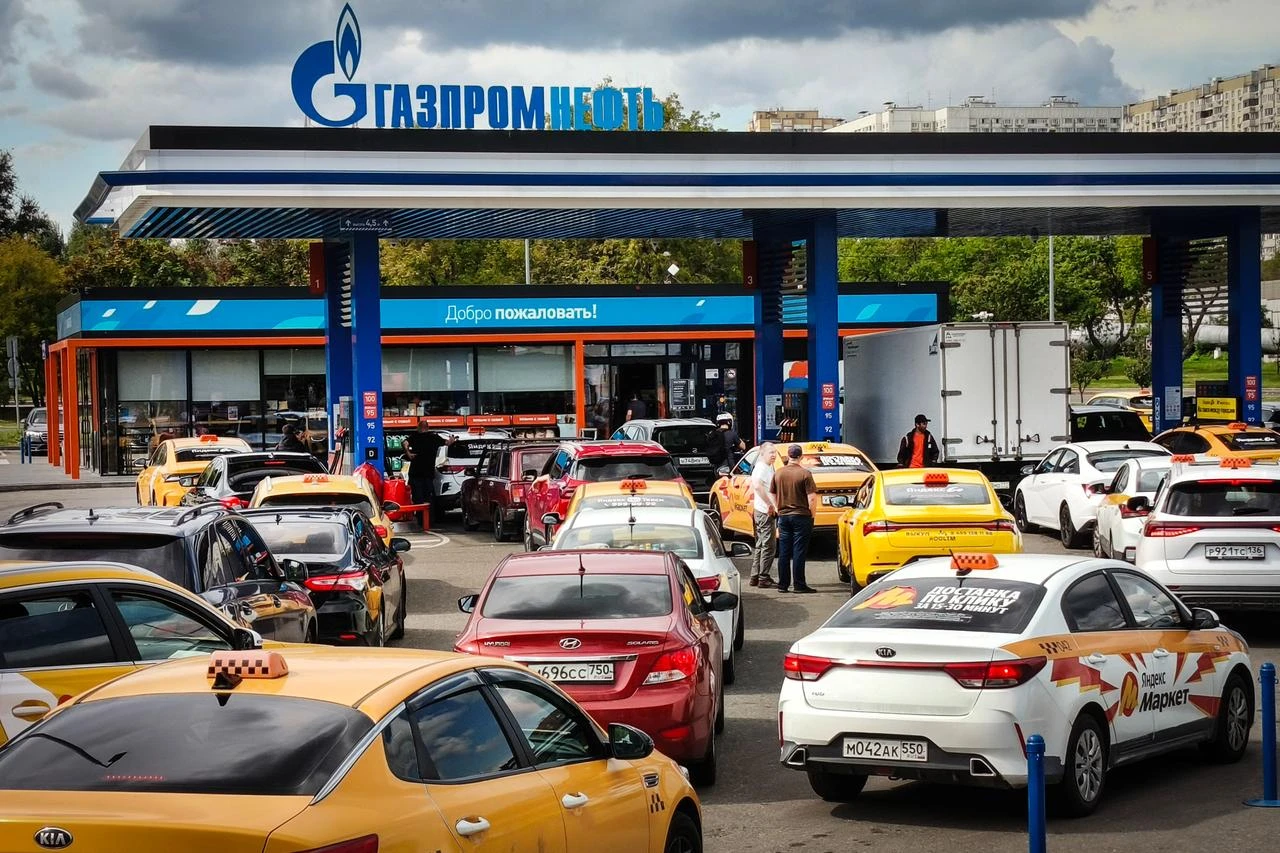
The disruption has spread to the retail market, with at least 10 regions reintroducing restrictions on fuel sales in August after shortages eased briefly in late July.
Moscow fuel stations have also brought back purchase limits, while gasoline sales on the St. Petersburg International Mercantile Exchange have fallen about 20% since early August.
Moscow has banned gasoline exports until the end of Jan. 2027 and is importing fuel from abroad, including gasoline from India and supplies from neighboring Belarus and Kazakhstan. Russian refineries have been struck 17 times so far in August, matching the total recorded in July.
"A second phase of market tension is indeed currently unfolding," Russian Deputy Prime Minister Alexander Novak said last week, as fuel shortages continued to spread.


 Set as preferred source
 Set as preferred source


 1 min read
 1 min read