Newsletters


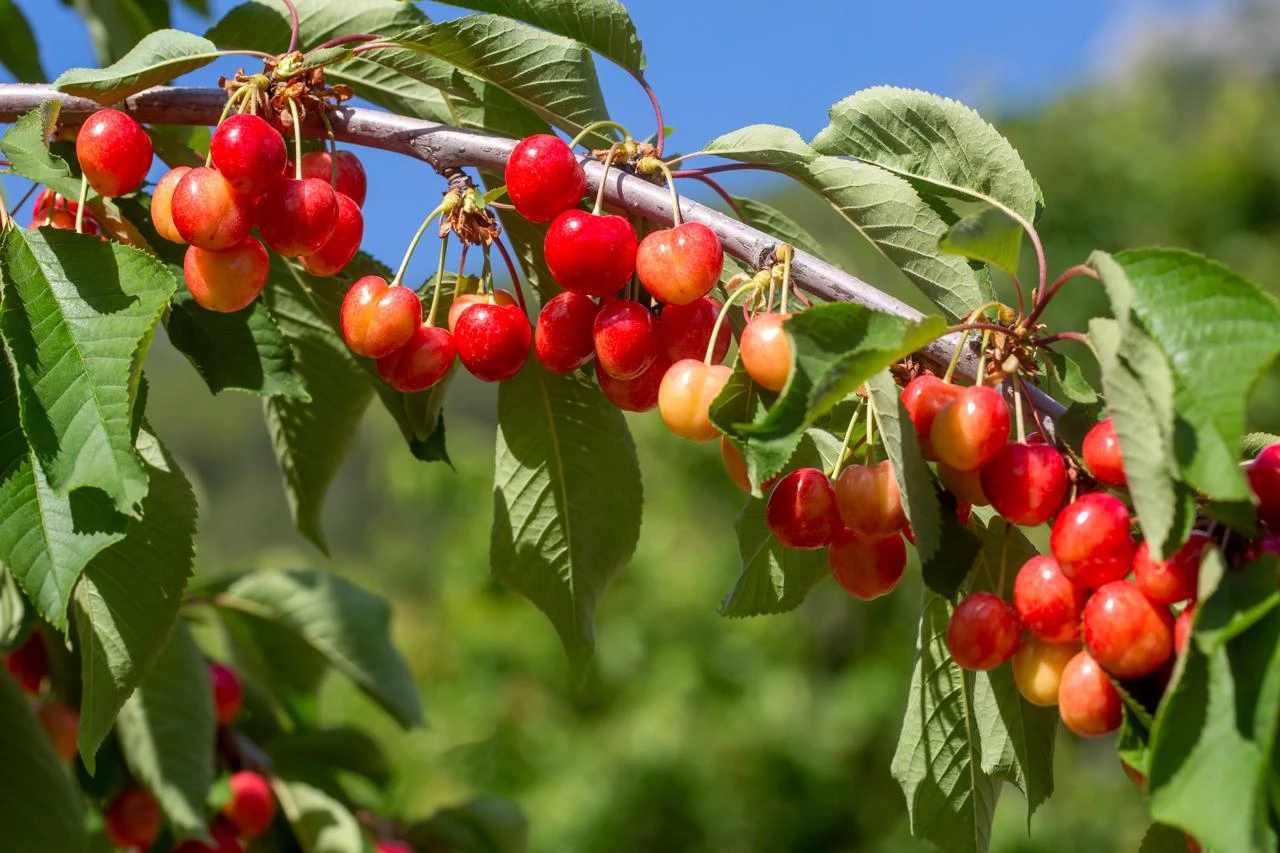


Russia will temporarily restrict stone fruit imports from five large Turkish exporters starting July 18 after authorities repeatedly detected plant pests and other organisms subject to quarantine controls in imported produce.
The measure covers peaches, nectarines, apricots, plums, cherry plums, cherries, sour cherries, and olives, the Federal Service for Veterinary and Phytosanitary Surveillance (Rosselkhoznadzor) announced on Thursday.
"The decision was made in connection with the systematic detection of organisms subject to quarantine for member countries of the Eurasian Economic Union in stone fruit products arriving in Russia from Türkiye," the agency said.
In a separate development, Ukraine's parliament ratified a free trade agreement with Türkiye on July 14. Under the agreement, Türkiye will immediately eliminate import duties on approximately 93.4% of industrial goods and 7.6% of agricultural products from Ukraine, according to Ukrinform.
 1 min read
The restrictions target Mersin-based produce trader FBA Plastik Otomotiv Gida ve Petrol Urunleri, Hatay-based agricultural company Akas Tarim Urunleri, produce company Situr Sitare Turizm Ticaret, fruit and vegetable trader Troy Meyve Sebze Ticaret ve Pazarlama, and Hatay-based produce exporter Faruk Sat-Alfasat Tarim Urunleri.
The Russian watchdog introduced the restrictions under international and domestic plant quarantine rules designed to prevent the spread of pests through imported agricultural products.
Rosselkhoznadzor tied the move to systematic detections in stone fruit shipments from Türkiye rather than a single incident.
The restrictions apply only to the five Turkish exporters and not to all stone fruit shipments from the country.

The decision comes as Türkiye's agricultural exports face growing scrutiny over pesticide residues.
According to Greenpeace Türkiye, citing the European Union's Rapid Alert System for Food and Feed, Türkiye received 105 pesticide-related notifications for food exports to Europe in 2025, the second-highest number among exporting countries after India. Of those, 51 shipments were rejected at the border, including one involving peaches.
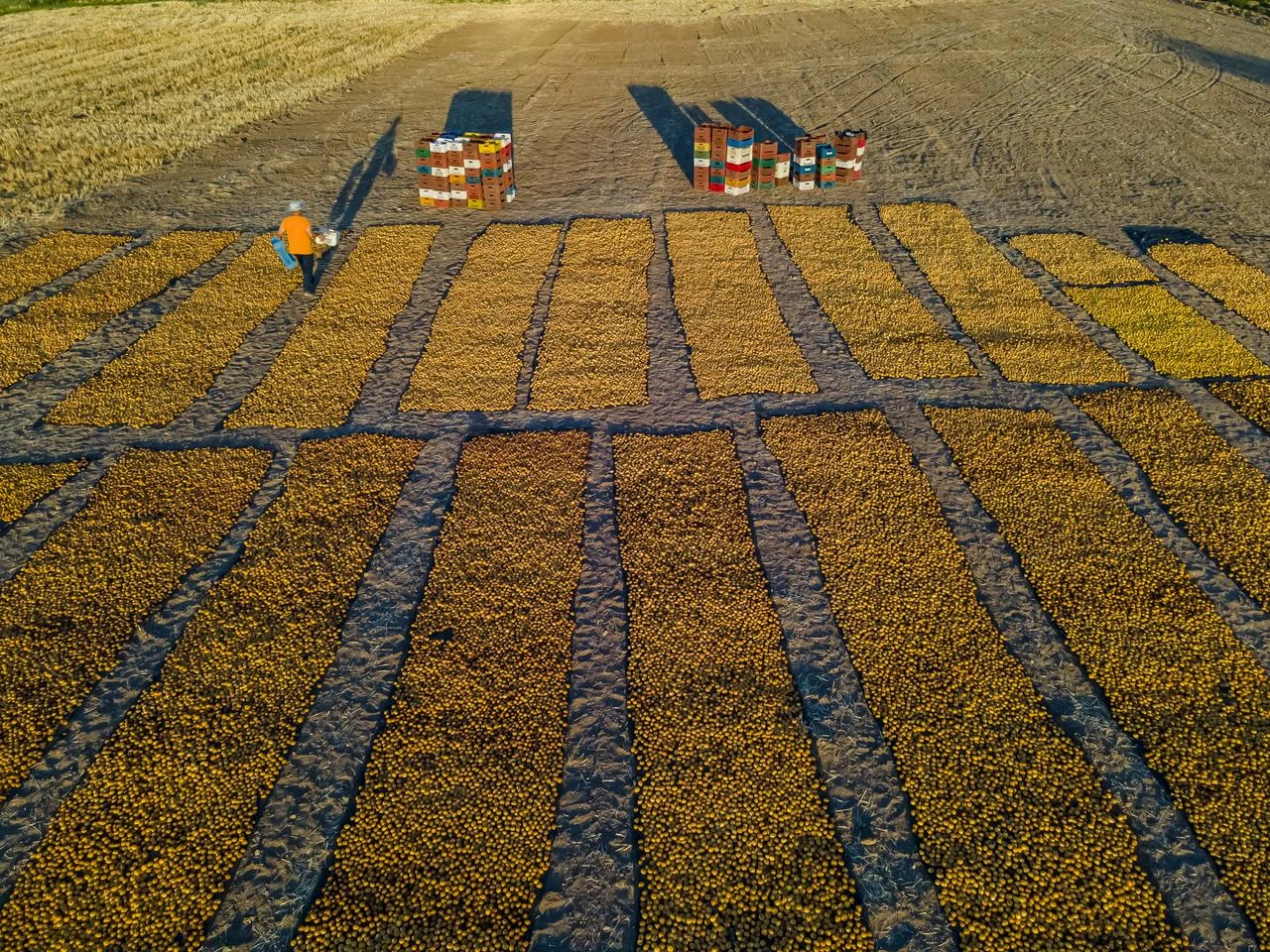
Türkiye ranks among the world's largest exporters of stone fruit, with shipments worth around $336.6 million in 2025, with Russia accounting for over 40%, or $140.6 million, of the total.
The country's stone fruit production took a sharp hit in 2025, plunging by more than 60% to 1.5 million tons amid adverse weather conditions. Output, however, is expected to rebound by more than 165% to over 4 million tons in 2026, potentially easing price pressures and boosting exports.


 Set as preferred source
 Set as preferred source


 1 min read