Newsletters


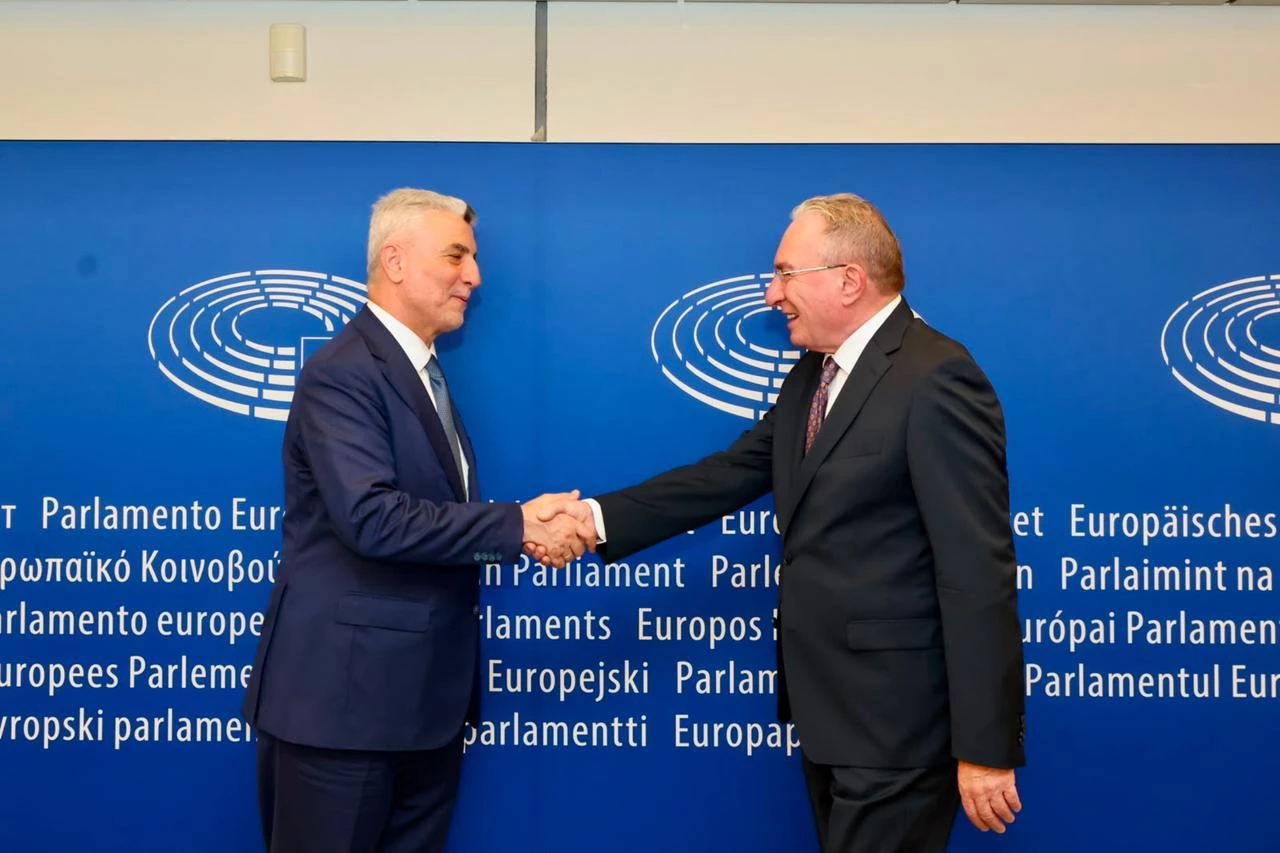


Turkish Trade Minister Omer Bolat is intensifying talks with European Union officials and automotive industry representatives in Brussels to launch long-delayed negotiations on modernizing the Türkiye-EU Customs Union.
The minister's two-day visit to Brussels brought together a broad delegation from the Trade Ministry and the private sector, particularly representatives of Türkiye's automotive industry.
Speaking after a series of meetings in Brussels on Friday, Bolat pointed to both a strong desire and an urgent need to begin negotiations on updating the nearly three-decade-old Customs Union.
The process, however, has yet to get underway because of objections from several EU member states, he told state-run Anadolu Agency.
Bolat held talks with European Commissioner for Economy and Productivity Valdis Dombrovskis and European Commissioner for Trade and Economic Security Maros Sefcovic.
He also met with European Parliament lawmakers involved in the bloc's legislative process, including European People's Party shadow rapporteur for the draft Industrial Accelerator Act Dirk Gotink and International Trade Committee Vice Chair Iuliu Winkler.
The delegation also met with members of the European Parliament, executives from the European Automobile Manufacturers' Association, or ACEA, major European business organizations and other key stakeholders.
Discussions centered on the future of Türkiye-EU economic relations, the automotive industry, trade barriers, visa facilitation and transport issues amid mounting shifts in global trade.
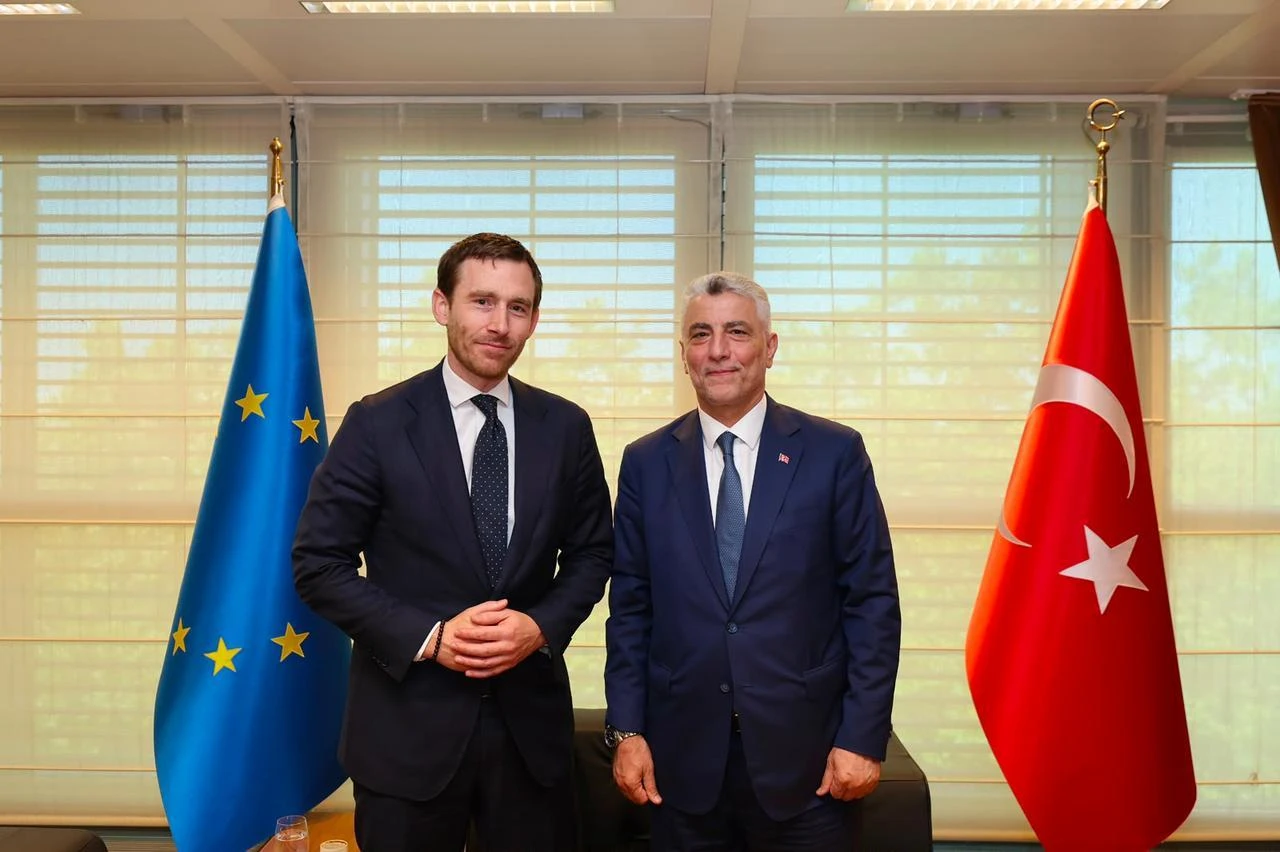

Economic ties between Türkiye and the bloc have reached record levels, with bilateral trade climbing to $233 billion last year, the minister highlighted. The automotive sector, including finished vehicles and spare parts, accounts for roughly $62 billion of that trade, making it a key pillar of the economic relationship.
"The EU is Türkiye's most important export market, while Türkiye is the EU's fifth-largest trading partner," Bolat said.
While the Customs Union has helped Türkiye and the EU push annual bilateral trade above $230 billion, new developments in global commerce require closer coordination between the two sides, he added. "Protectionist winds are sweeping across the world," he said.
Moving Customs Union negotiations forward requires Türkiye to navigate competing political and economic priorities across the EU's 27 member states, Bolat noted.
"Our objective is to move Türkiye-EU relations forward on the basis of a balanced win-win approach, attract more investment to our country and further increase bilateral trade," he stressed.
"I can confidently say that we have seen positive and constructive approaches from many different groups."
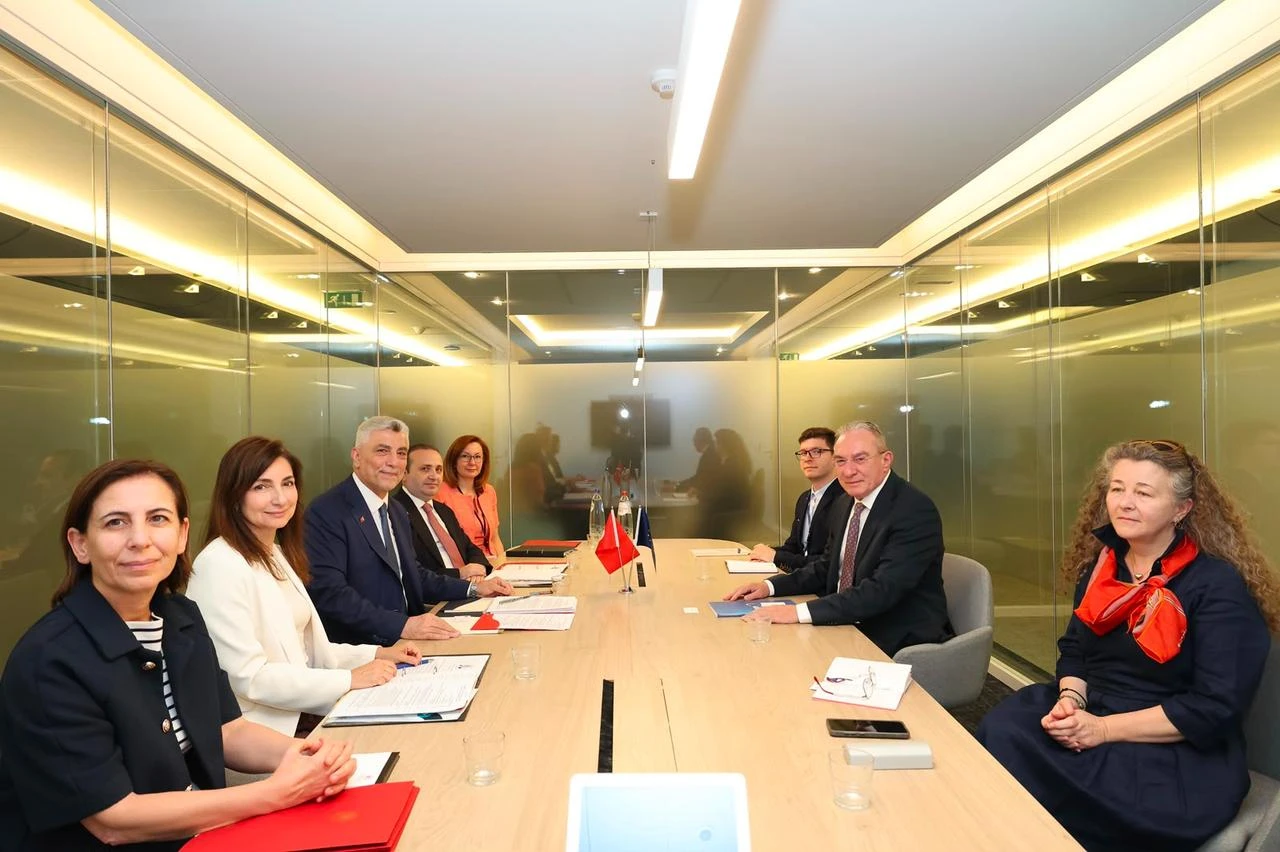
Bolat also emphasized that Ankara is closely tracking rapidly rising imports from East Asia, changes in U.S. trade policy, and the EU's own industrial measures, including the Industrial Acceleration Act and the "Made in EU" initiative.
"We are conducting an intensive effort and negotiations to ensure that these developments do not harm Türkiye-EU trade, investments, economic relations or the future of our automotive industry," the minister said.
The automotive industry has emerged as a central part of the discussions as the EU moves ahead with its proposed "Made in EU" policy, which aims to strengthen manufacturing within the bloc and reduce reliance on third countries.
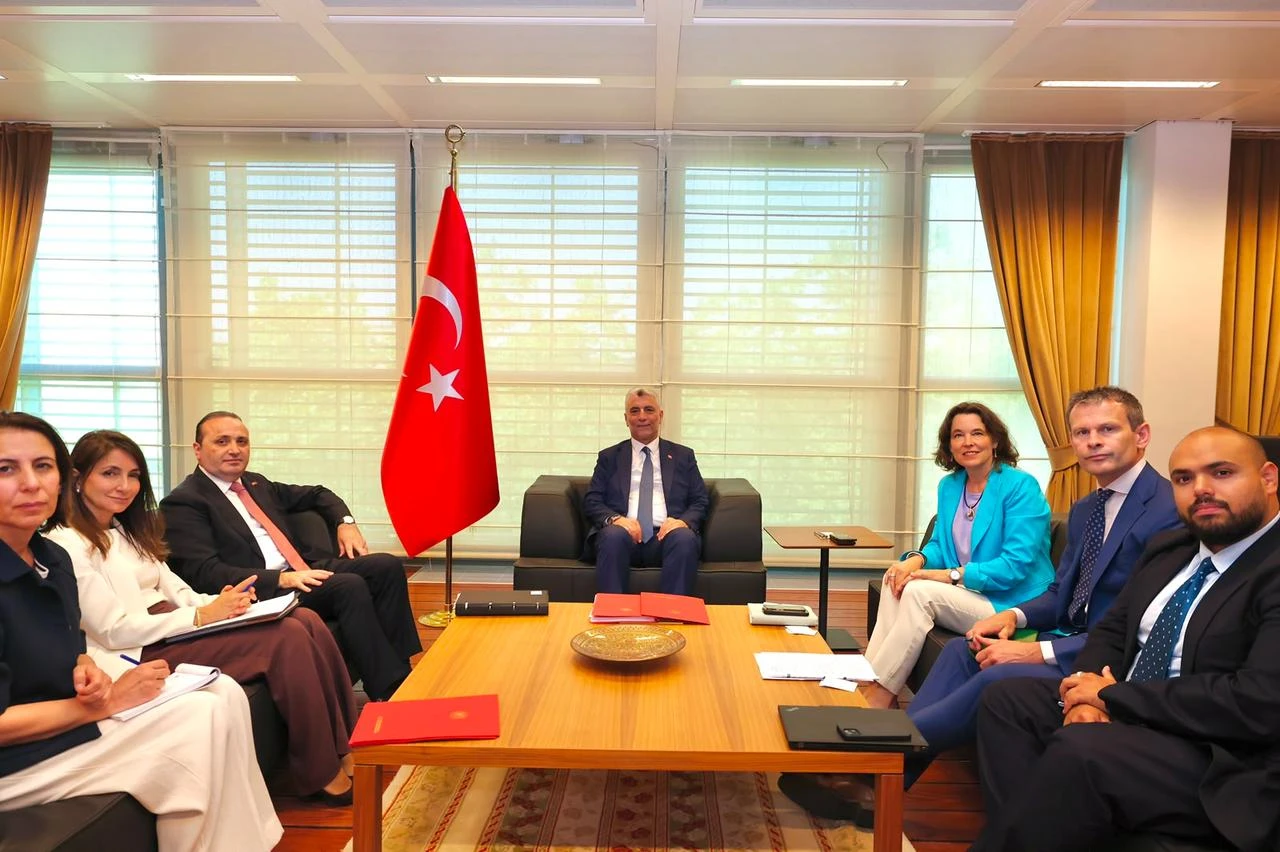
In an earlier post on X about the talks with ACEA Director General Sigrid de Vries and representatives of the association's member companies, Bolat hailed the shared support for Türkiye's full and unconditional inclusion in the "Made in EU" policy.
The talks come after ACEA in early July urged the EU to limit broader eligibility under the proposed "Made in EU" framework to the EU27 and the United Kingdom while preserving protections for existing European automotive investments in countries including Türkiye and Morocco.
ACEA also backed measures to strengthen production within the EU, reduce reliance on third countries for clean technologies and provide incentives strong enough to offset Europe's higher manufacturing costs.
Türkiye's automotive exports, including parts, reached around $30.1 billion in 2025, accounting for nearly three-quarters of the sector's total exports of $41.5 billion.


 Set as preferred source
 Set as preferred source


 2 min read
 1 min read