

 Newsletters


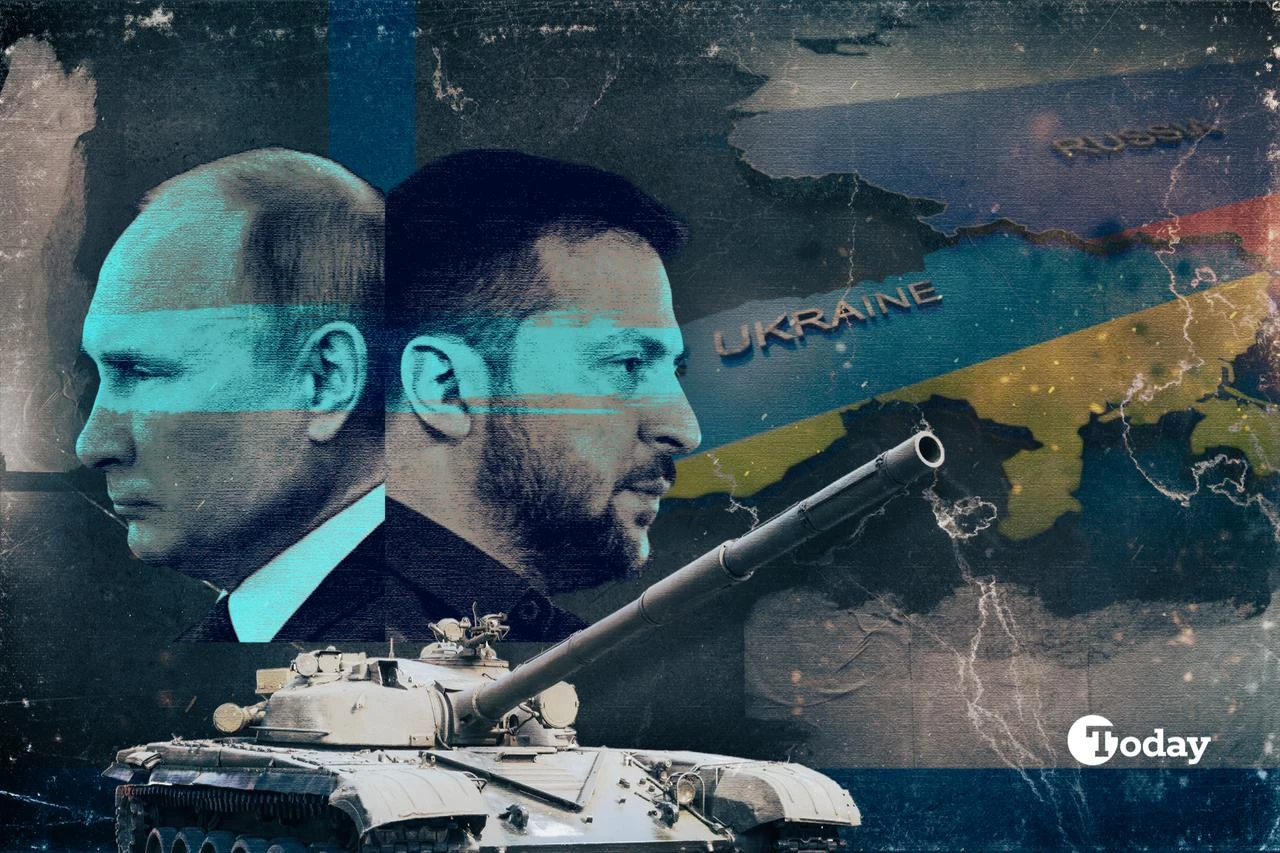


Four years ago, as the shockwaves of Russia’s full-scale invasion of Ukraine sent global food prices spiraling, a rare diplomatic breakthrough emerged from Istanbul.
The July 2022 Black Sea Grain Initiative, brokered by the United Nations and Türkiye, was heralded as a triumph of pragmatic diplomacy over intractable conflict. It reopened Ukrainian ports and stabilized global markets.
Under the guise of the original agreement's Joint Coordination Centre, Russia systematically exploited the mandatory joint inspections of merchant vessels to choke Ukraine’s economy.
By deliberately starving the center of inspectors and dragging out bureaucratic approvals, Moscow created massive, weekslong traffic jams of cargo ships in the Sea of Marmara.
What was designed as a humanitarian corridor was twisted by the Kremlin into an instrument of economic blackmail, ultimately leading to Russia abandoning the pact entirely in 2023.
Since then, the realities in the Black Sea have fundamentally shifted. Ukraine unilaterally established its own maritime corridor, hugging the coastlines of NATO members Romania and Bulgaria.
Operating without Russian participation or the stifling delays of joint inspections, Ukraine had shipped more than 200 million tonnes of cargo—including 128 million tonnes of agricultural products—to 56 countries by June 2026.
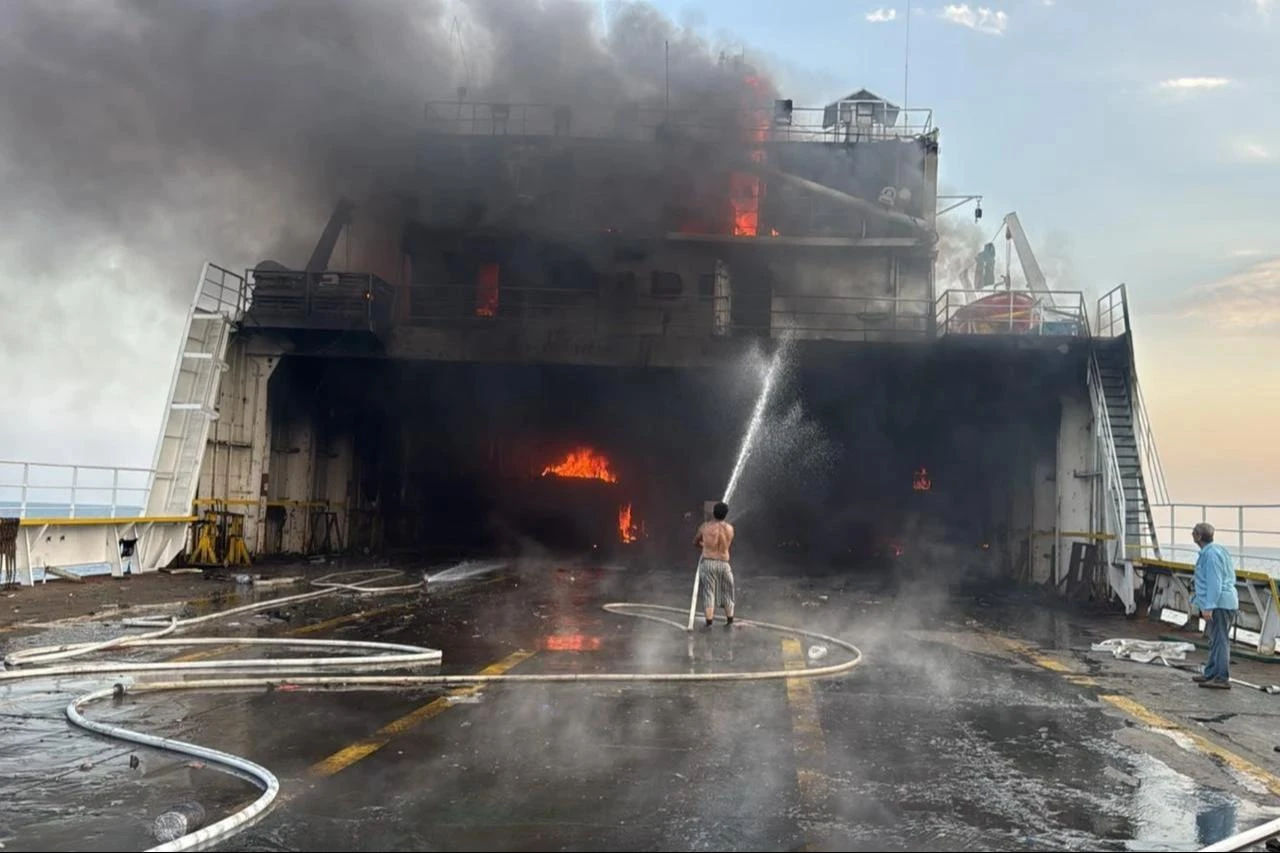

The corridor proved that maritime trade could survive the collapse of the U.N.-backed framework. But today, the threat is no longer a lack of shipping routes. It is outright kinetic warfare against global food security.
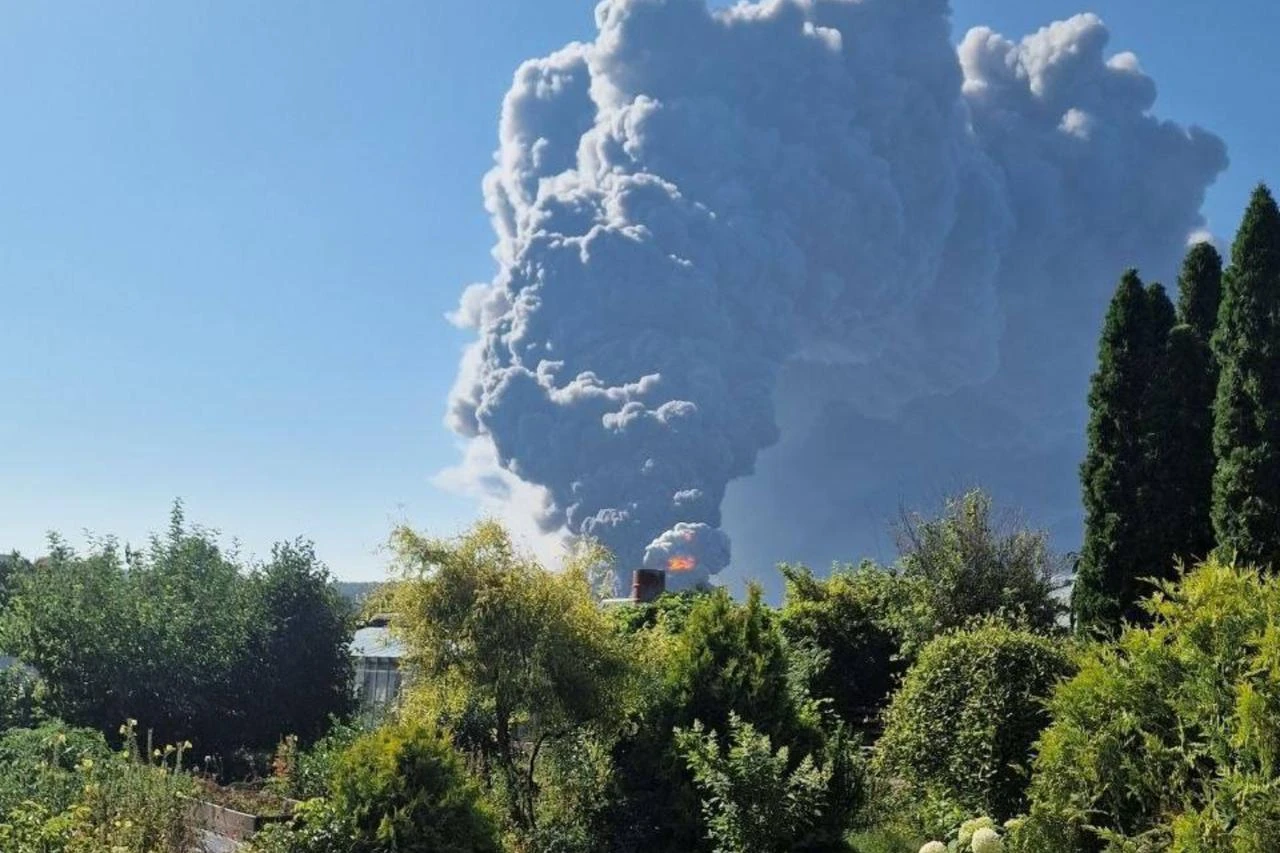
Having lost the ability to paralyze Ukrainian exports through bureaucratic strangulation, Russia has resorted to constant violence. Throughout July 2026, Russian missiles repeatedly struck commercial vessels and port infrastructure. These are not military targets; they are civilian merchant ships carrying food to a "needy world." The recent strikes have killed foreign seafarers, battered civilian shipping, and sent Black Sea insurance premiums and freight rates skyrocketing.
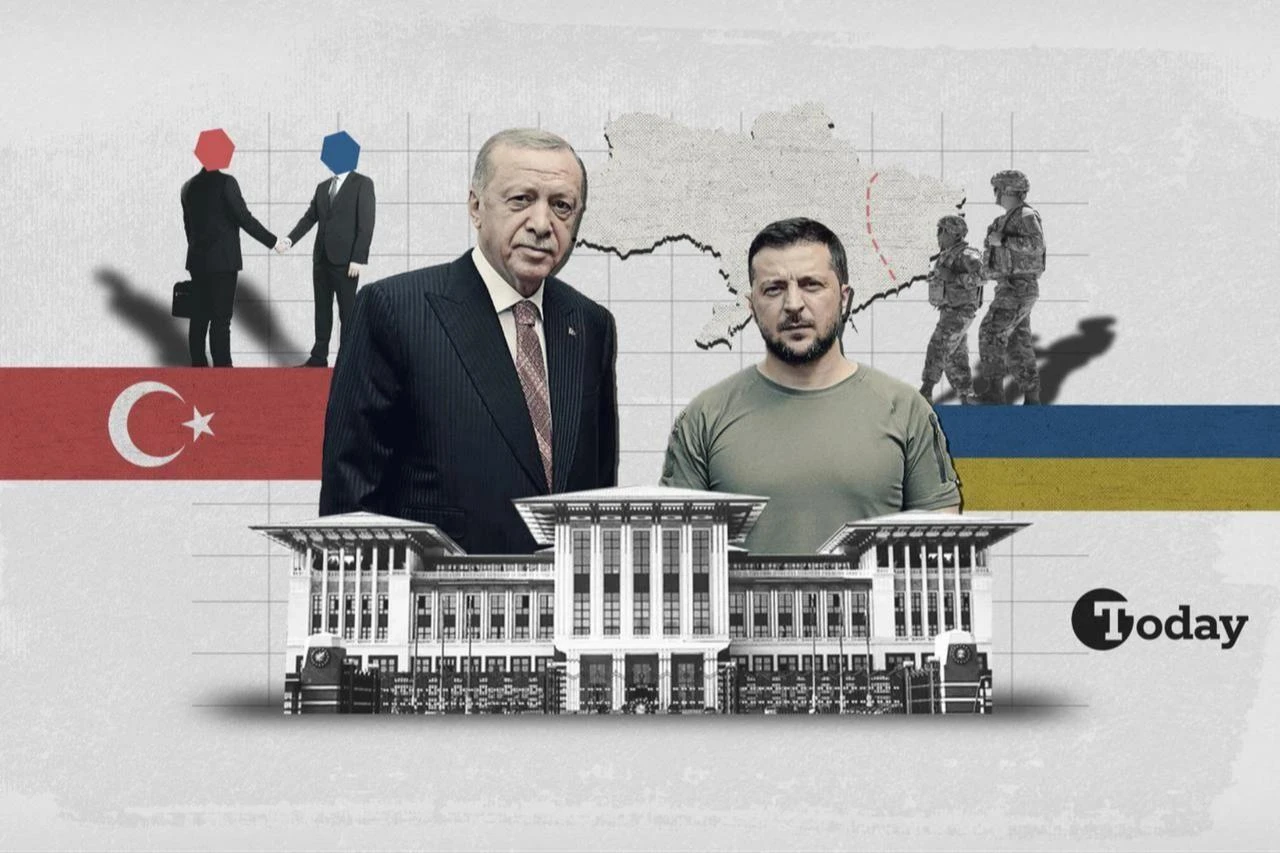
This is where Türkiye can step back into the fray—not to revive a dead and defective 2022 agreement, but to spearhead a new, narrower diplomatic objective: a Black Sea maritime ceasefire.
Ankara’s motivations for doing so need not be purely altruistic; they are rooted in stark economic self-interest. Turkish companies own and operate a vast number of the vessels navigating these contested waters, and Turkish ports rely heavily on Black Sea grain transshipment and processing. The longer Russian missiles rain down on merchant shipping, the more it bleeds Turkish maritime businesses and undercuts the stability of the Bosphorus.
Rather than chasing the mirage of a comprehensive peace agreement or a return to the paralyzing joint-inspection regime, a new Turkish-led initiative should focus on a singular, strictly defined goal: an absolute prohibition on attacking civilian merchant vessels, grain terminals, and port infrastructure.
Crucially, this would not require granting Russia any control, oversight, or veto power over Ukrainian exports. Coordinated alongside the U.N. and the International Maritime Organization (IMO), a maritime ceasefire would be a purely protective mechanism for international shipping, safeguarding freedom of navigation without the lethal bottlenecks of the past.
The leverage required to force Moscow’s hand on this issue exists, provided it is properly mobilized. A renewed initiative to protect civilian food shipments would find immediate, powerful backing in the Global South.
China, India, and the wealthy Gulf states are highly dependent on predictable agricultural markets. Unlike the West, these nations maintain open political and economic channels with the Kremlin.
If Ankara champions a framework that secures their food supply, their combined diplomatic weight could make the political cost of Russia's missile strikes on grain ships untenable.
Before the war, Ukrainian agriculture fed an estimated 400 million people worldwide. Today, through initiatives like the World Food Programme, it remains a lifeline for vulnerable populations across Africa, Asia, and the Middle East.
Every missile that hits a grain silo in Odesa or a bulk carrier in the Black Sea ripples outward, threatening fragile economies and hiking the cost of bread in import-dependent nations.
Türkiye has the geographical control of the straits, the regional clout, and the direct line to Moscow required to initiate this dialogue.
The 2022 Grain Deal is dead, and its flaws mean it should stay that way. But by pivoting to a strictly enforced "grain ceasefire," Ankara can protect its own maritime economy, shield global food markets, and prove that targeted, pragmatic diplomacy can still limit the collateral damage of Russia's war.


 Set as preferred source
 Set as preferred source


 2 min read
 1 min read


