Newsletters


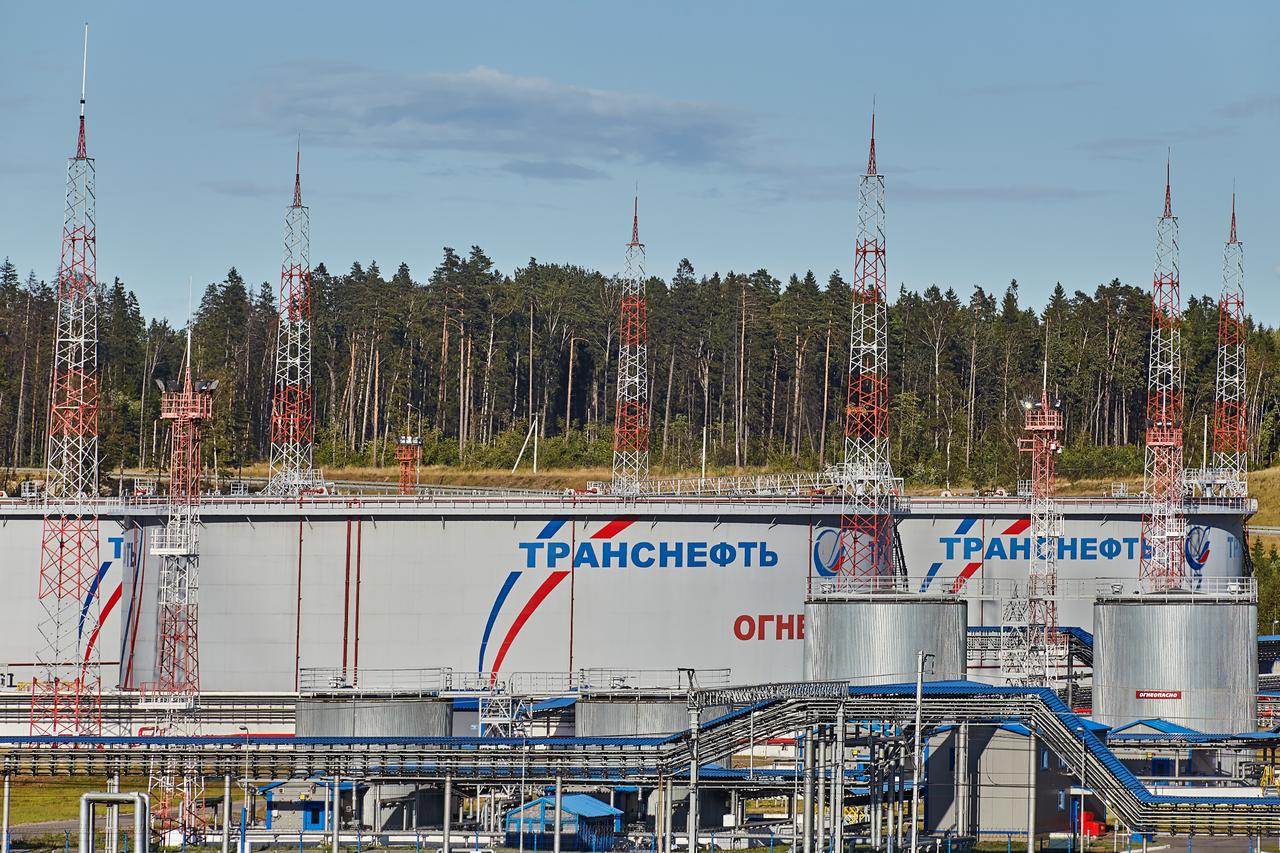


Russia’s oil and natural gas revenues fell sharply in November, dropping 33.8% compared to the same month a year earlier, according to a statement from the Russian Finance Ministry.
The ministry reported total energy income of 531 billion rubles ($6.83 billion) for the month, while oil and gas revenue over the first eleven months of the year totaled 8.03 trillion rubles ($103.34 billion), marking a 21.4% decline from the same period in 2024.
The ministry noted that revenues from oil and gas also declined 40.2% from the previous month, a drop largely attributed to increased tax liabilities faced by energy producers in Russia.
In 2024, Russia’s total energy revenues amounted to 11.13 trillion rubles ($143.32 billion).
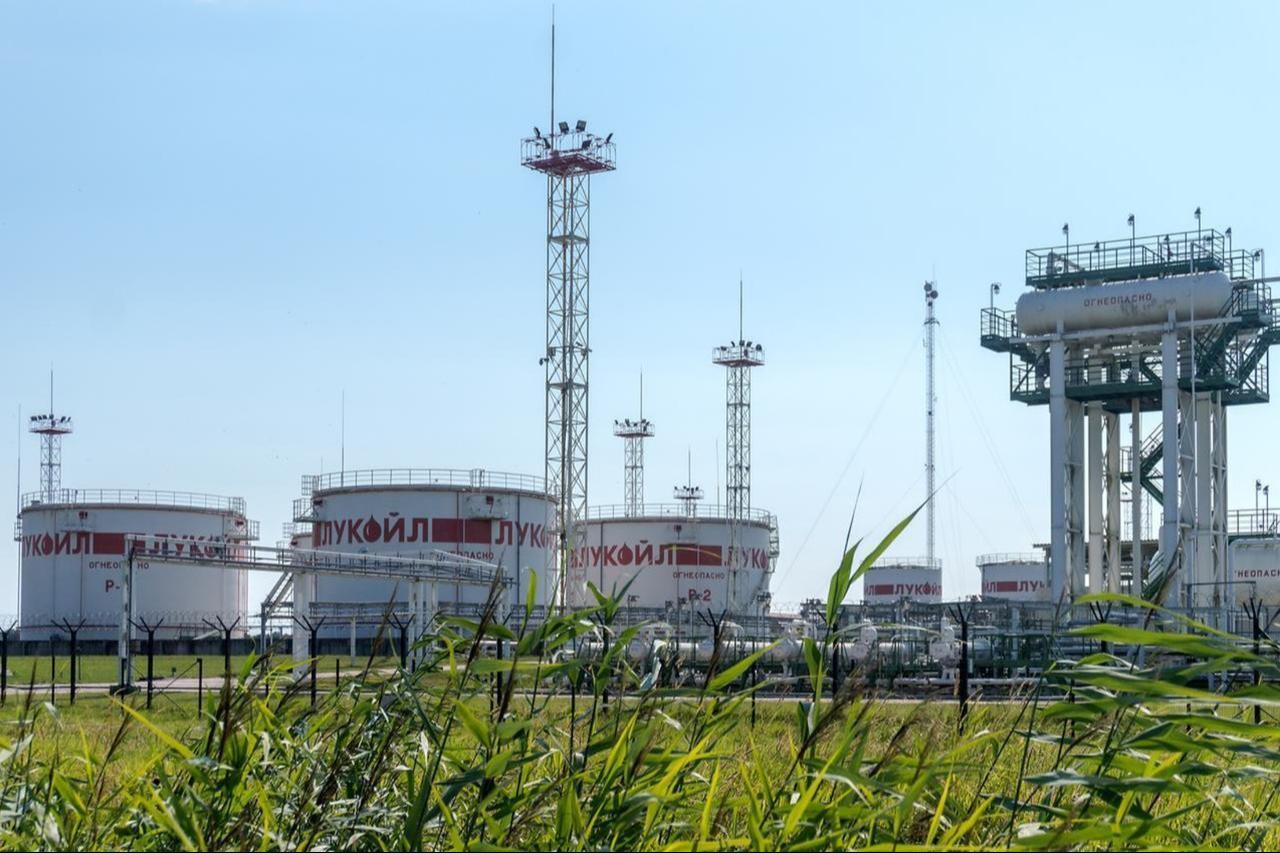
The loss follows U.S. sanctions on Russian oil giants Lukoil and Rosneft, which forced the companies to halt international operations and disrupted trade with partners, as part of efforts to pressure Moscow into advancing peace talks to end the war in Ukraine.
Under the sanctions, all subsidiaries of Lukoil and Rosneft have been added to the U.S. Treasury’s "Specially Designated Nationals" list, effectively severing their access to U.S. financial markets.
Foreign companies that continue doing business with either firm now face the threat of secondary sanctions, creating a strong disincentive for potential partners. As a result, Russia’s global crude oil exports have declined sharply. Analysts estimate that between 15% and 20% of its crude shipments have already been halted under the new restrictions.
In response, Lukoil has begun selling off its international assets, including refineries, fuel stations across Europe and the Middle East, and overseas oilfields, as sanctions render these operations commercially unsustainable.

The revenue losses also come as Türkiye—one of Russia’s major energy buyers—reduced its crude oil imports from the country in November. According to a Reuters report citing data from commodity analytics firms Kpler and LSEG, Turkish refiners cut one in every three crude oil shipments from Russia compared to October levels.
Instead, Türkiye increased its imports of Kazakh and Iraqi crude grades, signaling a diversification away from Russian-origin supplies despite existing infrastructure links.


 Set as preferred source
 Set as preferred source


 1 min read

 1 min read