Newsletters


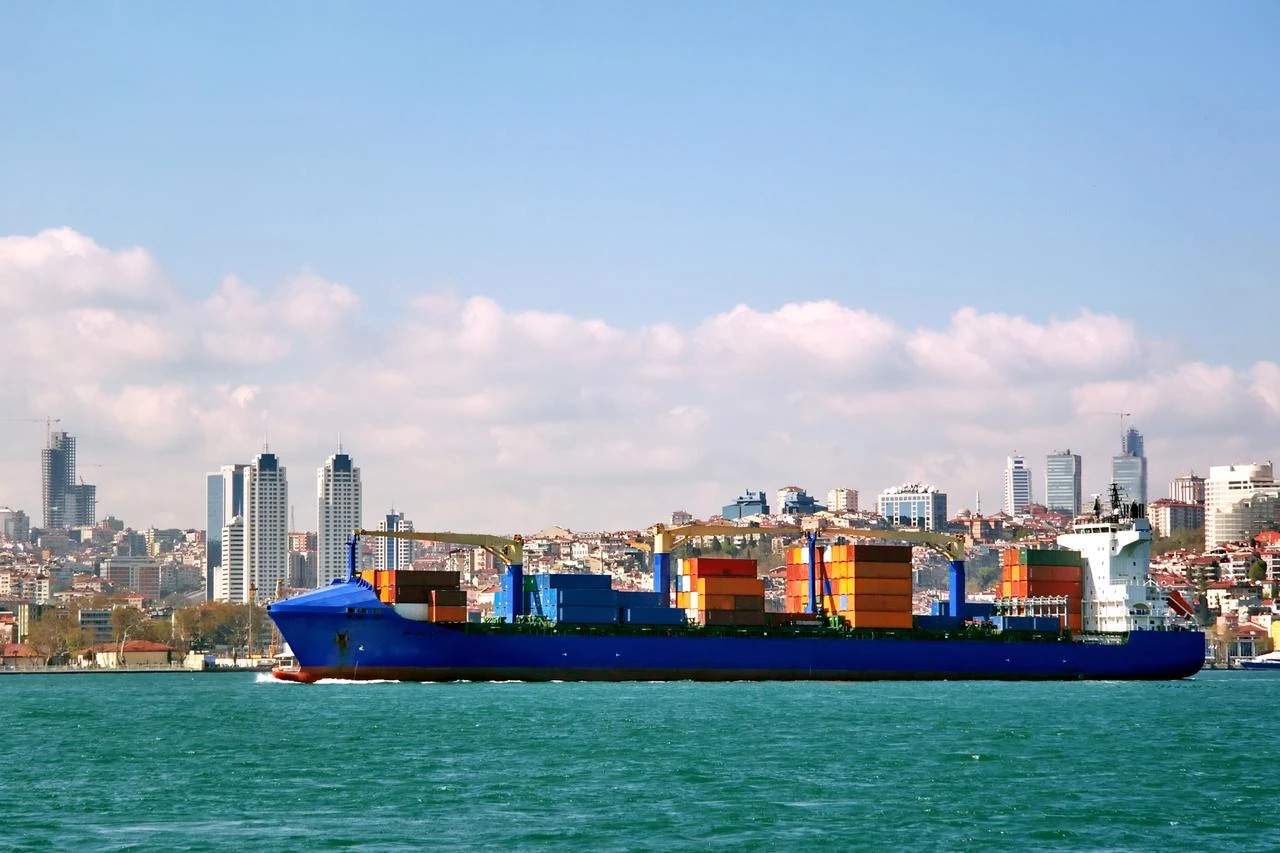


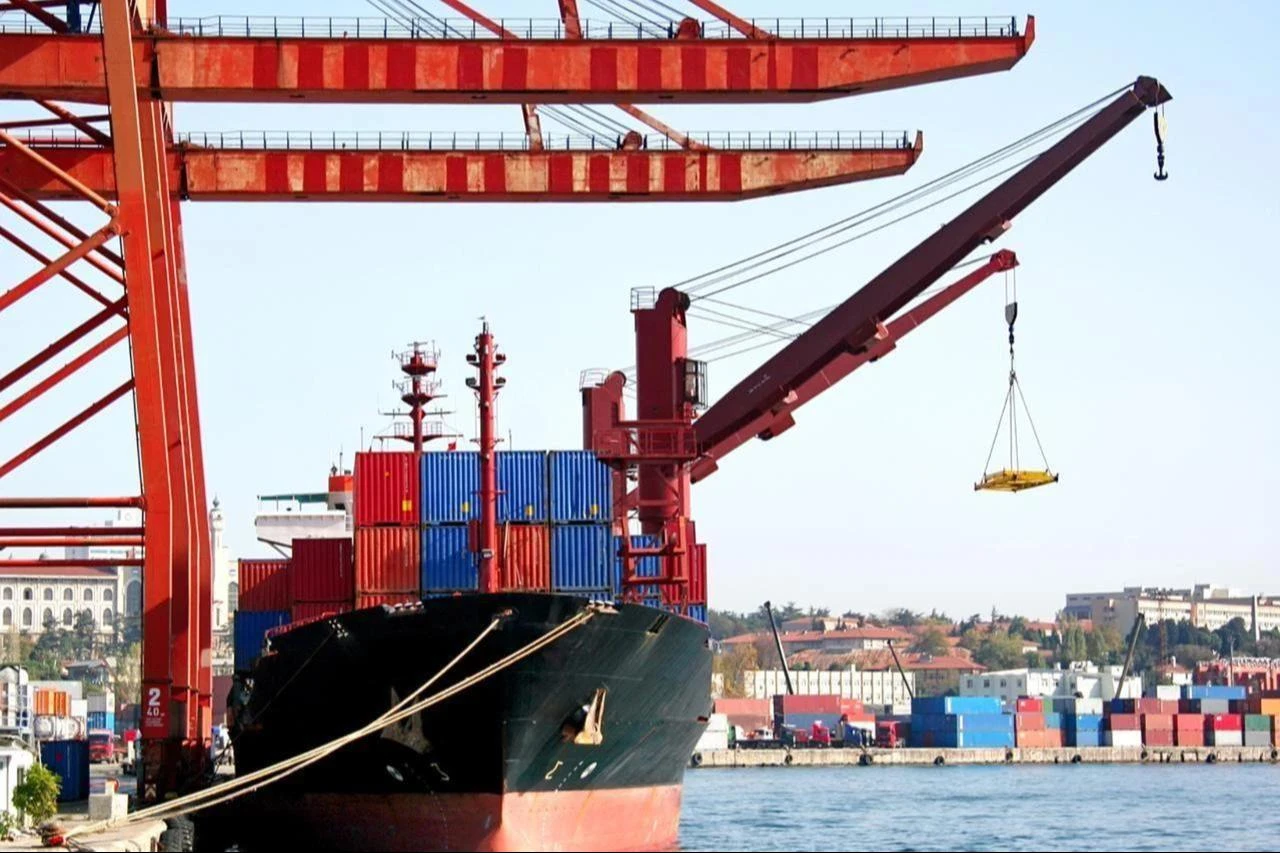
Türkiye's foreign trade gap widened 27.3% in June as import growth outpaced record exports, pushing the monthly deficit to $10.4 billion despite the country's strongest June export performance on record.
Exports climbed 21.9% from a year earlier to $24.9 billion, the highest June figure on record and the third-highest monthly export total in Türkiye's history. Imports, however, rose even faster, increasing 23.1% to $35.3 billion.
Trade Minister Omer Bolat described the first half of the year as challenging, pointing to sharp swings in commodity and precious metal markets, along with rising energy, petrochemical and logistics costs linked to the conflict involving the U.S., Israel and Iran.
For the January-June period, imports rose 4.6% year-over-year to $189.2 billion, while exports increased 3.6% to $136.1 billion, widening the trade deficit 7.4% to $53.1 billion.
Annualized goods exports climbed to a record $278 billion, while combined goods and services exports exceeded $400 billion for the first time, reaching $400.3 billion over the past 12 months. Meanwhile, the annualized trade deficit widened to $95.8 billion by the end of June from $92.2 billion at the end of 2025.
Bolat said the government remains on track to meet its year-end goods export target of $282 billion.
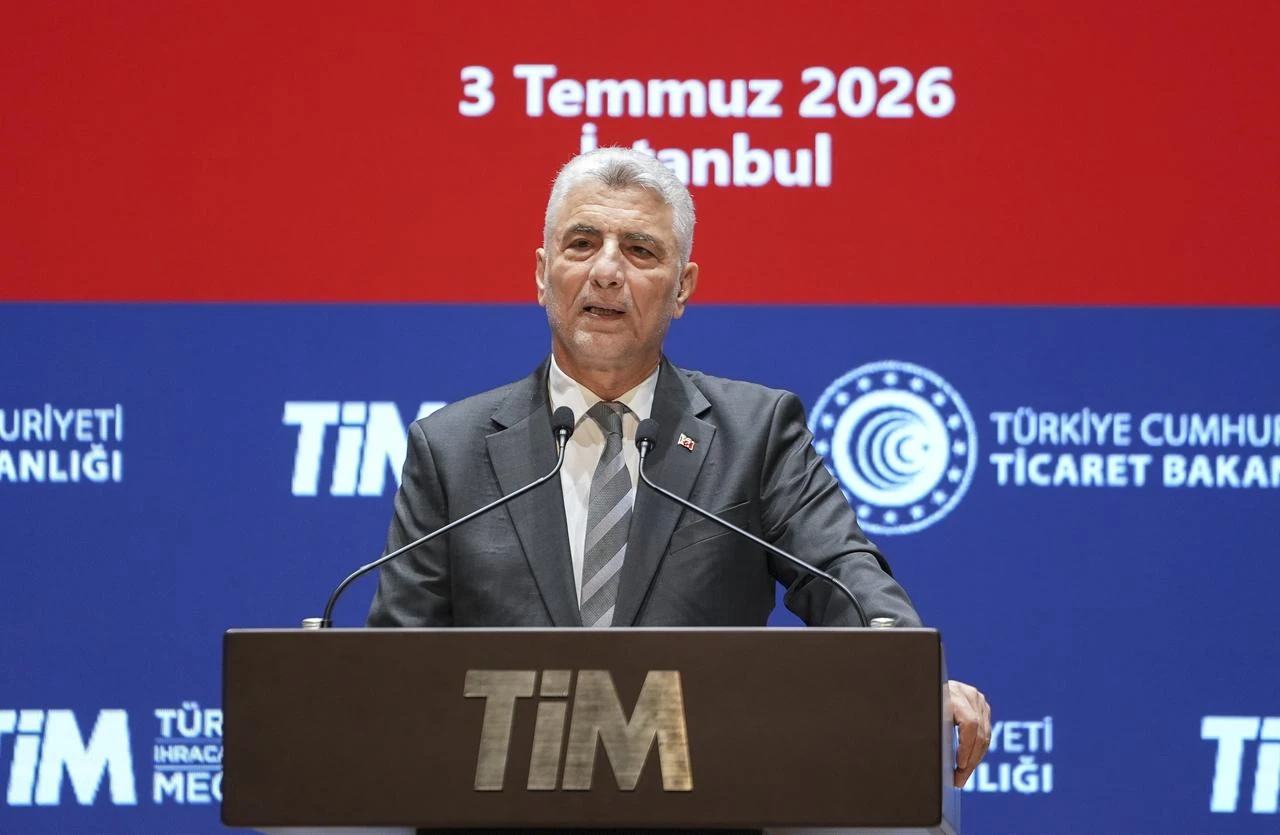

Bolat argued that the trade balance remained stable despite unusually high prices for commodities such as gold, silver, copper, aluminum and nickel, as well as elevated energy and petrochemical costs.
He also highlighted continued growth in medium-high and high-technology exports, which reached a record annualized $116.2 billion and accounted for 44% of total exports.
Meanwhile, Türkiye's annualized foreign trade volume approached $652 billion, while the export-to-import coverage ratio stood at about 72% in the first half and averaged 74.4% over the past 12 months.
Separately, exports to the Gulf Cooperation Council (GCC) countries and Iran, where Türkiye's shipments had slumped during the Iran war, soared 34.5% year-over-year to $1.9 billion in June, according to the data.
Saudi Arabia posted the strongest increase, with exports surging 117.6%, followed by Oman (86.4%), Iran (64.6%), Kuwait (31%), and Qatar (27.6%). Exports to the United Arab Emirates, however, fell 12.1%.
Total exports to the GCC countries and Iran also rose 25.4% from May. Despite the June rebound, exports to the region fell 18.7% in the January-June period, declining to $9.2 billion from $11.3 billion a year earlier.
Finance Minister Mehmet Simsek said both exports and imports remained strong in June, helped by calendar effects, while exports continued to show resilience despite uncertainty in global trade.
He cautioned that the delayed impact of higher energy prices could weigh on the foreign trade balance in the coming months, but said the government expects only a limited increase in the current account deficit for the rest of the year, with the gap remaining at sustainable levels.
"Thanks to the strengthening macroeconomic framework and the policies we have implemented, our economy's resilience to shocks continues to improve, while lasting and sustainable improvements in the external balance are also being supported," Simsek said.
Türkiye's current account posted a wider-than-expected $5.7 billion deficit in April, while the rolling 12-month deficit narrowed to $37 billion from $39.7 billion due to a favorable base effect.


 Set as preferred source
 Set as preferred source


 1 min read
 1 min read