Newsletters


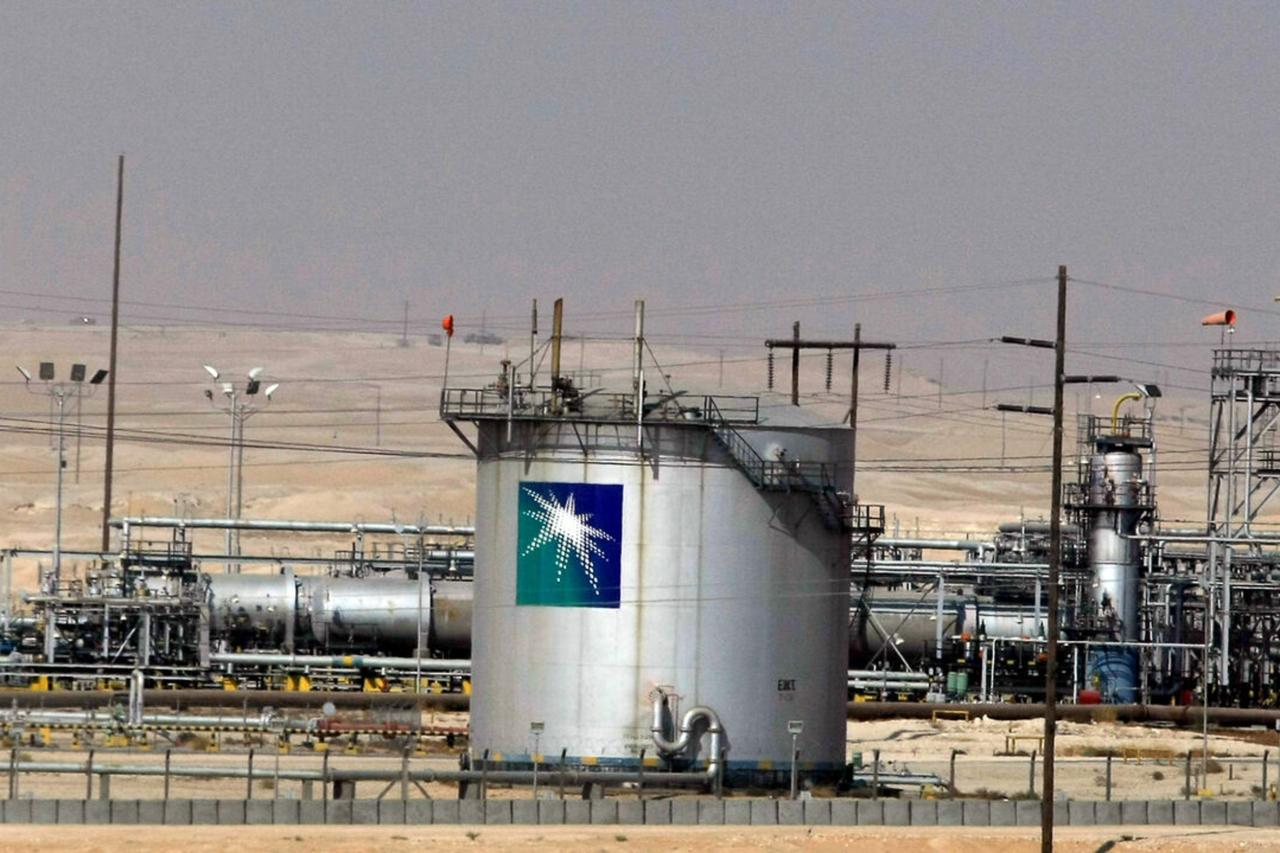


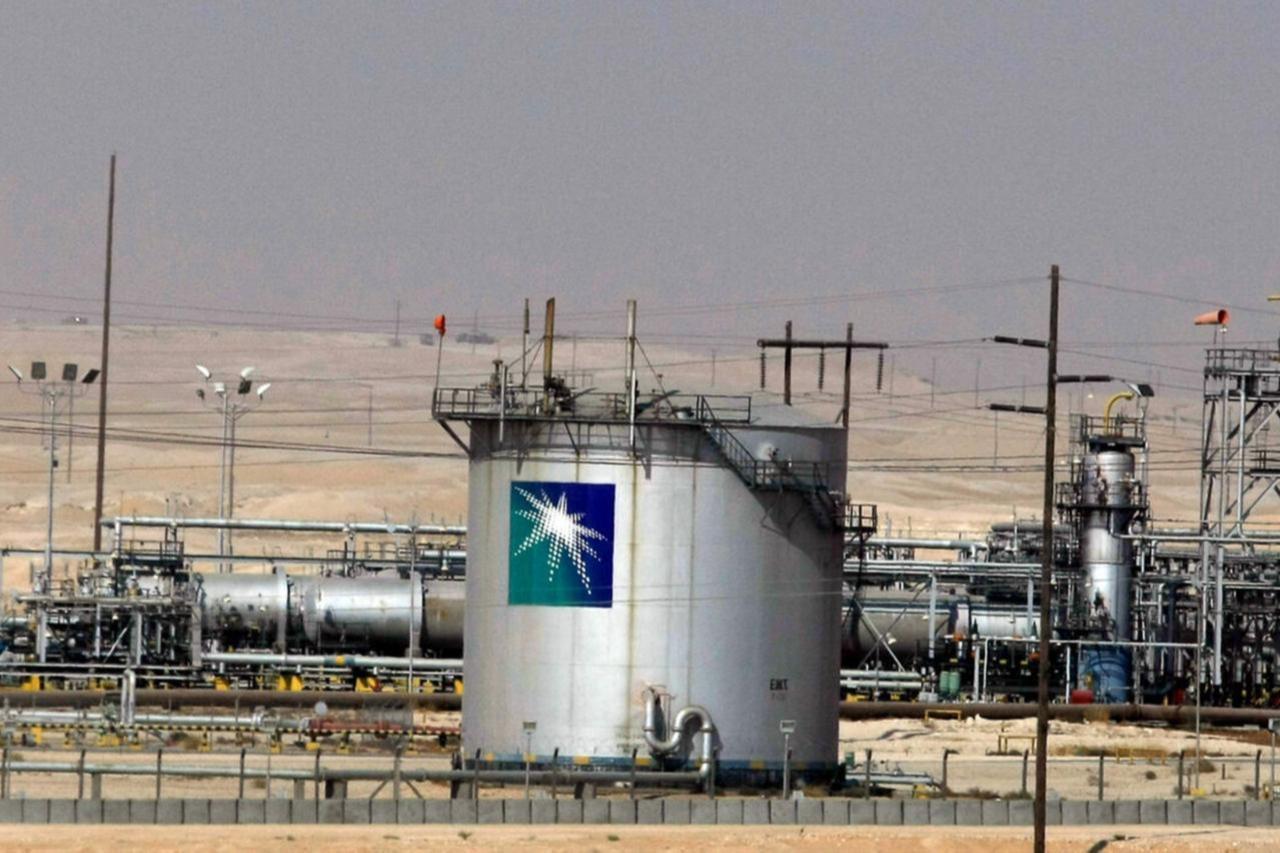
Global oil stockpiles have become “scarily thin” after months of conflict in the Middle East, and rebuilding depleted inventories could take up to two years even after the fighting ends, Saudi Aramco Chief Executive Amin Nasser said Monday.
The Financial Times reported that Nasser, speaking at the Energy Intelligence Forum in London, said the seven-month conflict involving the U.S., Israel and Iran had reduced regional oil supplies by nearly 3 billion barrels, roughly half the crude oil and refined products that would otherwise have passed through the Strait of Hormuz during that period.
“The system is already straining,” Nasser said. “And with precious little else the world can turn to, the supply resilience cushion is scarily thin.”


Nasser said more than 1 billion barrels of oil had been drawn from reserves to offset the supply shortfall.
Governments have released more than 300 million barrels from strategic reserves, while most of the oil deployed has come from company-held inventories, which Nasser described as “the last major tool in the box.”
He estimated that less than 6 billion barrels of commercial inventories remain globally, with the vast majority not practically available.
Nasser also cautioned against relying on headline reserve figures, saying less than 10% of reported stocks were available because a large portion represents minimum volumes needed to keep infrastructure operating.
“That’s why you find they’re struggling with 100 million barrels,” he said.
“Emergency reserves might buy us a winter. They cannot fix long-term supply,” Nasser added.
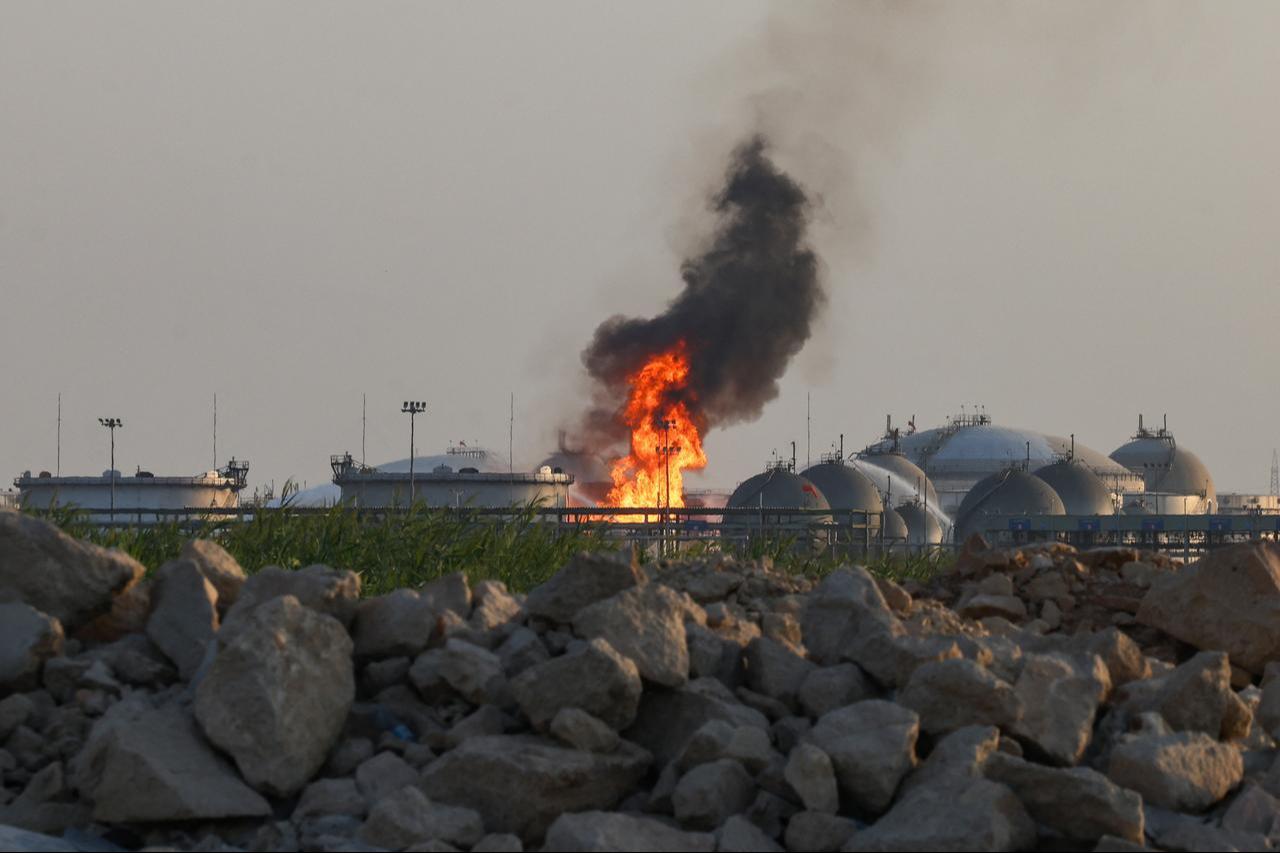
G7 countries, working with the International Energy Agency, agreed Friday to immediately release 100 million barrels of diesel and crude oil to ease global energy supply concerns stemming from the U.S.-Iran war.
The IEA has 32 member countries, including the G7 nations.
Ahead of the agreement, U.S. President Donald Trump had pressured the European Union to release strategic diesel reserves or face a U.S. ban on diesel exports.
Shipments from Gulf countries rose to 15.5 million barrels a day last month, the highest level since the conflict began and more than 80% of pre-war volumes, according to data provider Kpler.
Kpler data also showed Middle East oil exports excluding Iran surpassed their pre-war levels last week despite attacks on ships in the Strait of Hormuz.
However, the Financial Times reported that the shipments have been extremely expensive and physical oil markets remain tight, with prices for North Sea crude cargoes scheduled for delivery this month reaching their highest levels since April.
Nasser said that even after the conflict ends, “replenishing inventories while meeting demand could take up to two years.”
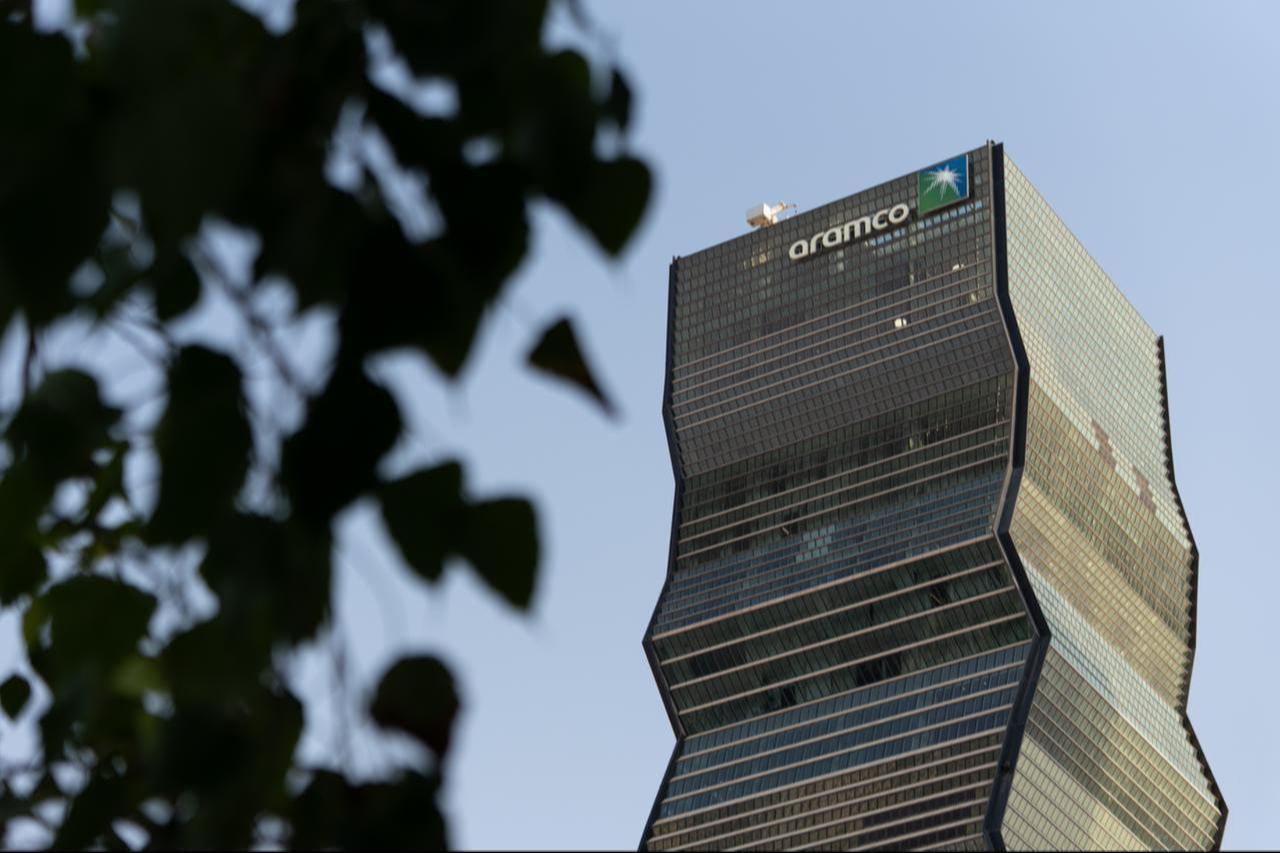
Nasser called on governments to place greater emphasis on energy security and supply resilience.
He said Aramco was studying additional routes for exporting Saudi crude and exploring further overseas storage facilities to help protect customers against future disruptions.
Nasser also warned that modern technology, including “open data such as satellite imagery and shipping logs,” was increasingly being used against energy infrastructure and tankers.
In recent weeks, Iran has attacked ships traveling through the Strait of Hormuz, while its proxies in Iraq and Yemen have attacked Aramco pipelines, refineries and ports, according to the Financial Times report.
“Tools of transparency should not become ammunition for aggression,” Nasser said.
Aramco is majority-owned by the Saudi state, and Nasser’s remarks marked his first public speech since the war began.


 Set as preferred source
 Set as preferred source


 1 min read
 1 min read