Newsletters


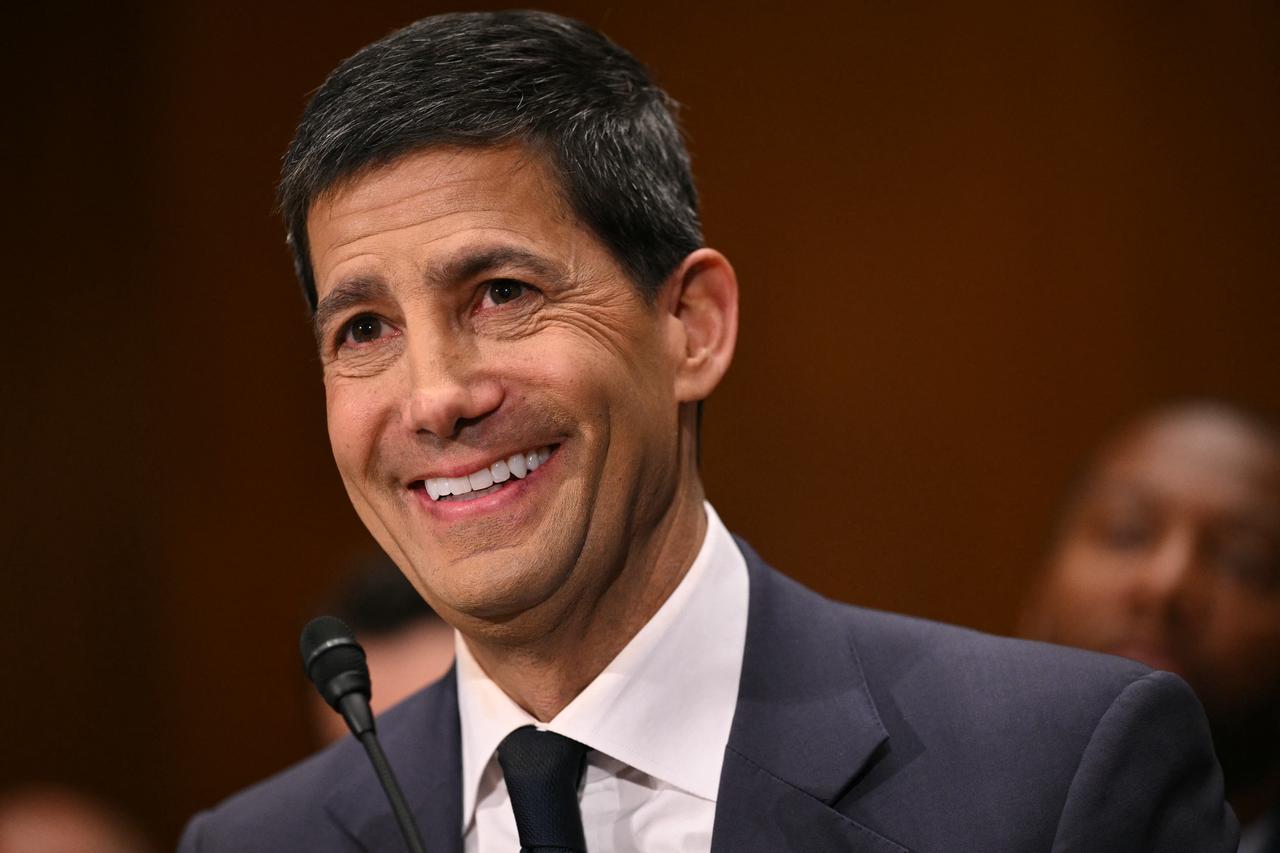


Kevin Warsh was confirmed as chairman of the Federal Reserve on Wednesday, inheriting a central bank beset by political pressure, a divided rate-setting committee and inflation that has climbed to a three-year high, as the Senate voted 54 to 45 to approve President Donald Trump's nominee.
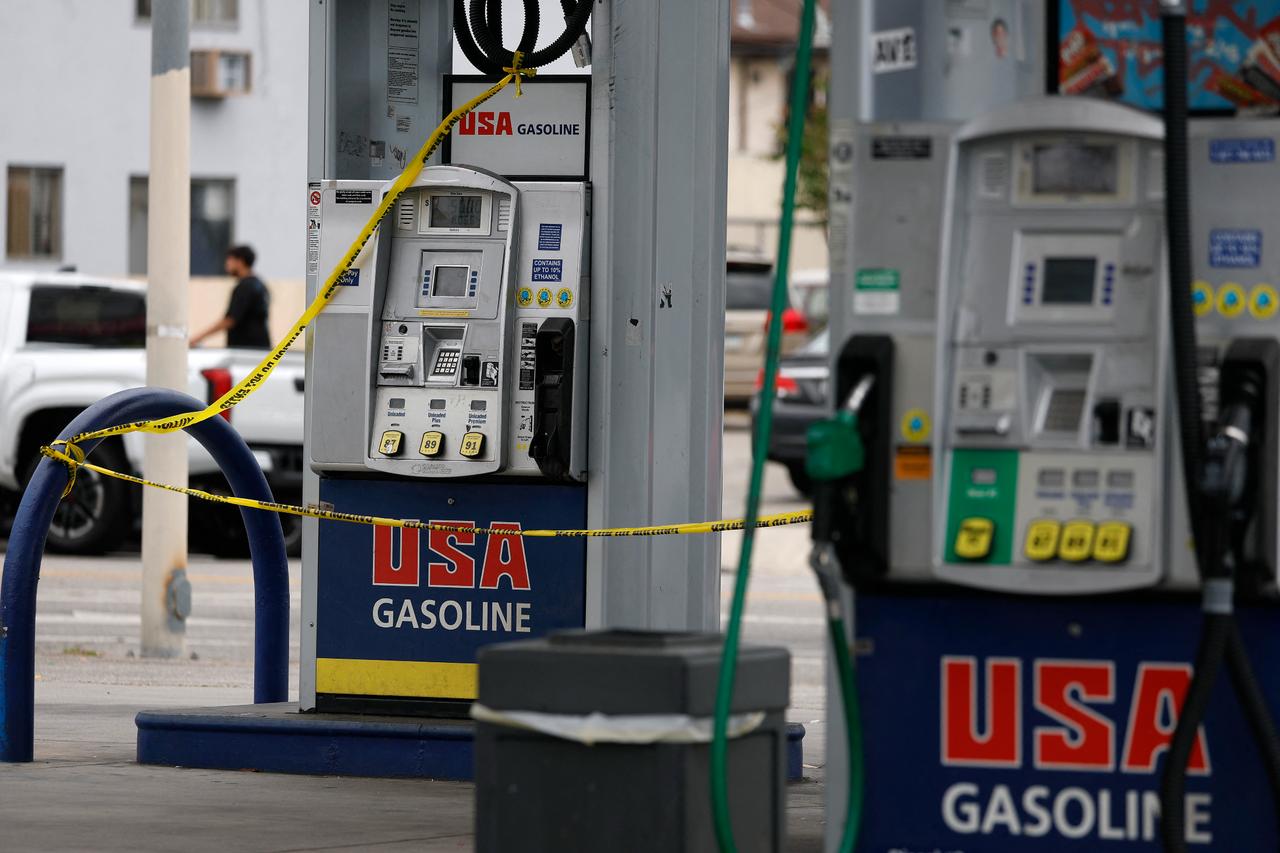
Warsh, confirmed for a four-year term, replaces Jerome Powell at the helm of the world's most closely watched monetary institution at one of the most fraught economic moments in recent memory. Year-on-year inflation stood at 3.8 percent in April, well above the Fed's long-standing 2 percent target, driven in part by surging oil prices following the US-Israel war on Iran.
"Warsh's biggest challenge will likely be dealing with President Trump," said David Wessel, senior fellow at the Brookings Institution. "The president does not respect the independence of the Fed and he wants interest rates to be lower."
Republicans, who hold a slim Senate majority, provided the votes to confirm a nominee who has promised to bring "regime change" to an institution he has criticized as too politically entangled and insufficiently transparent in how it communicates its decisions.
Once regarded as a monetary hawk for his hardline stance on inflation, Warsh has in recent years shifted toward alignment with Trump's campaign for lower interest rates, a posture that has drawn scrutiny from economists and former Fed officials who view institutional independence as sacrosanct.
The Federal Reserve, established in 1913, operates under a dual mandate, to maintain price stability and maximum employment, and its independence from the executive branch is considered a cornerstone of its credibility in financial markets.
That independence has been openly tested. In January, Powell said a Justice Department criminal investigation against him, linked to cost overruns from a building renovation project, was designed to exert pressure on monetary policy.
The probe has since been dropped, a development analysts said was timed to ease the path for Warsh's confirmation. Separately, the Trump administration attempted to remove Fed Governor Lisa Cook from the board, a case now before the Supreme Court.
Kathryn Judge, a Columbia Law School professor specializing in banking, described both moves as "unprecedented," and cautioned against optimism that Warsh's arrival would ease the friction. "Fed officials have been put on notice that this president is willing to use all available tools to bully them into acceding to his demands," she said.
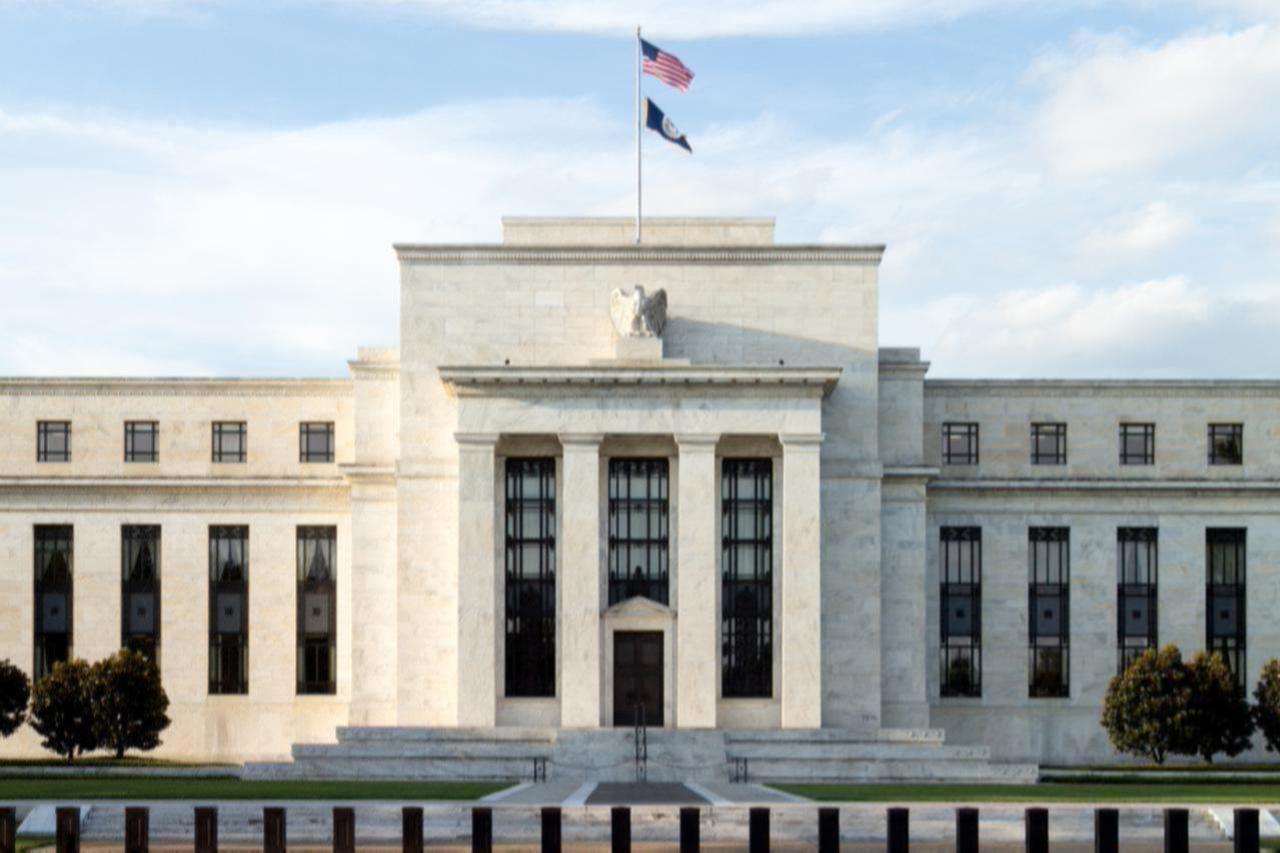

Warsh steps into the chairmanship as the US economy absorbs a series of overlapping shocks. The pandemic sent consumer prices spiraling, with the Consumer Price Index peaking at 9.1 percent in mid-2022 before beginning a slow retreat that has since stalled.
American households have spent years contending with price increases that have outpaced expectations, eroding purchasing power.
The labor market offers a murkier picture. The unemployment rate has held at roughly 4.3 percent, a figure that masks considerable underlying turbulence. Job growth has been inconsistent, oscillating between expansion and contraction for months, with gains concentrated almost entirely in the health care sector.
Labor supply has contracted meaningfully, a shift attributed to Trump's deportation drive and an aging workforce.
The dynamics have placed Fed policymakers in an uncomfortable bind, weighing whether to raise rates to bring inflation to heel or cut them to shore up an unsteady economy.
Further complicating Warsh's task is the state of the Federal Open Market Committee, the body responsible for setting interest rates.
At its most recent meeting, three members broke from consensus to argue the Fed should signal readiness for a rate hike, a degree of open dissent that is rare by the institution's standards.
"The Fed does seem divided, at times along partisan lines, which is a change from the past," Wessel noted.
Warsh is also inheriting an institutional anomaly: Powell will become the first outgoing Fed chair in more than 70 years to remain on the board after his term as chairman expires, a presence that could complicate internal dynamics as Warsh seeks to put his stamp on the institution.


 Set as preferred source
 Set as preferred source


 1 min read

 1 min read