Newsletters


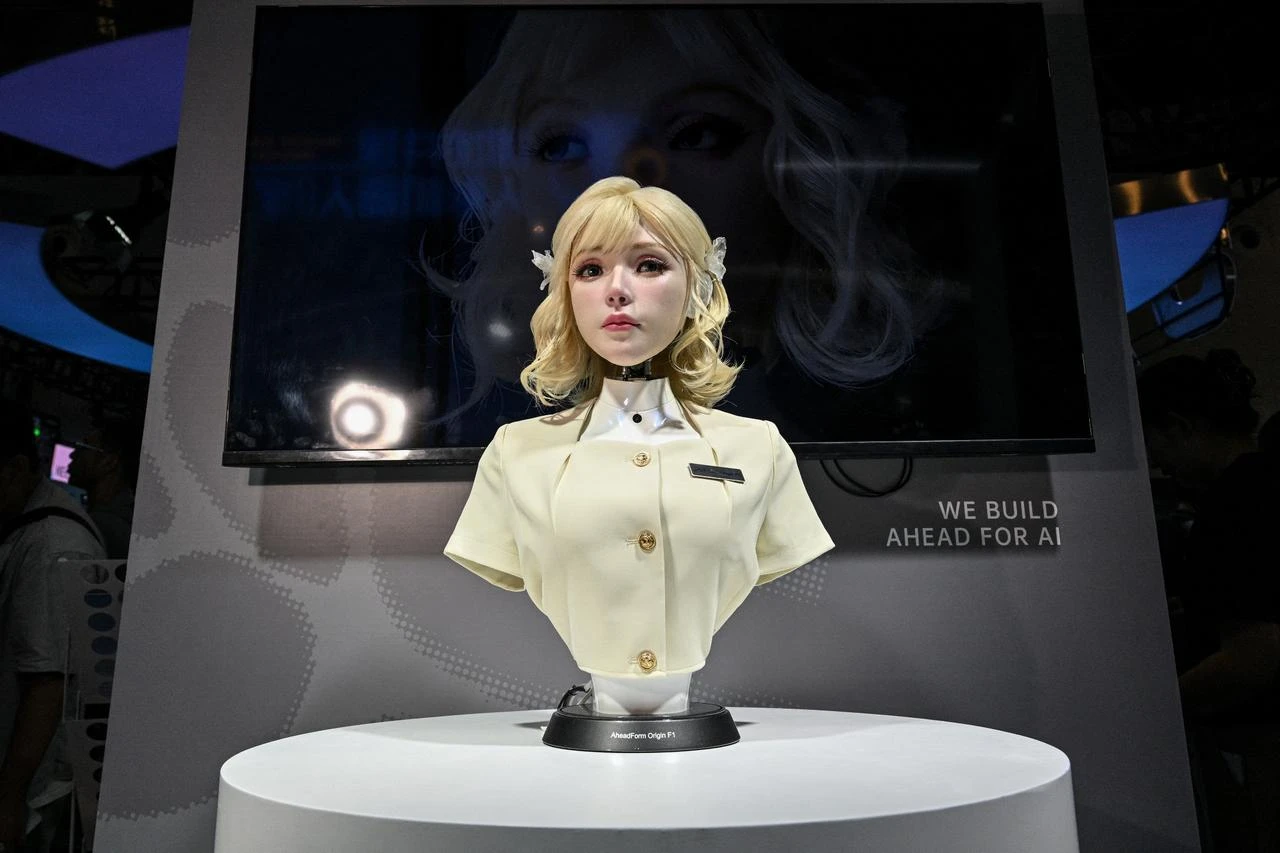


The four-day World Artificial Intelligence Conference (WAIC) and High-Level Meeting on Global AI Governance concluded Monday in Shanghai, where China presented a wide range of advanced technology and secured agreement among dozens of countries on a new international AI cooperation body.
Procurement deals signed during the event are expected to total 20.36 billion yuan, or roughly $3.01 billion, an increase of 25 percent from last year, according to the state-run Global Times.

Foreign Ministry spokesperson Lin Jian said the conference set a direction for global AI governance and established the World Artificial Intelligence Cooperation Organization, known as WAICO, which will be headquartered in Shanghai. State media described the organization's mandate as ensuring the orderly development of artificial intelligence.
The conference included more than 150 thematic forums alongside bilateral and multilateral talks, with an exhibition spanning more than 100,000 square meters that brought together over 1,100 Chinese and international exhibitors.
More than 3,000 technologies and products were on display, according to Lin, including domestically developed computing hardware from firms such as Moore Threads and Iluvatar CoreX, 100,000-card supercomputing clusters, and general-purpose AI models including Kimi.
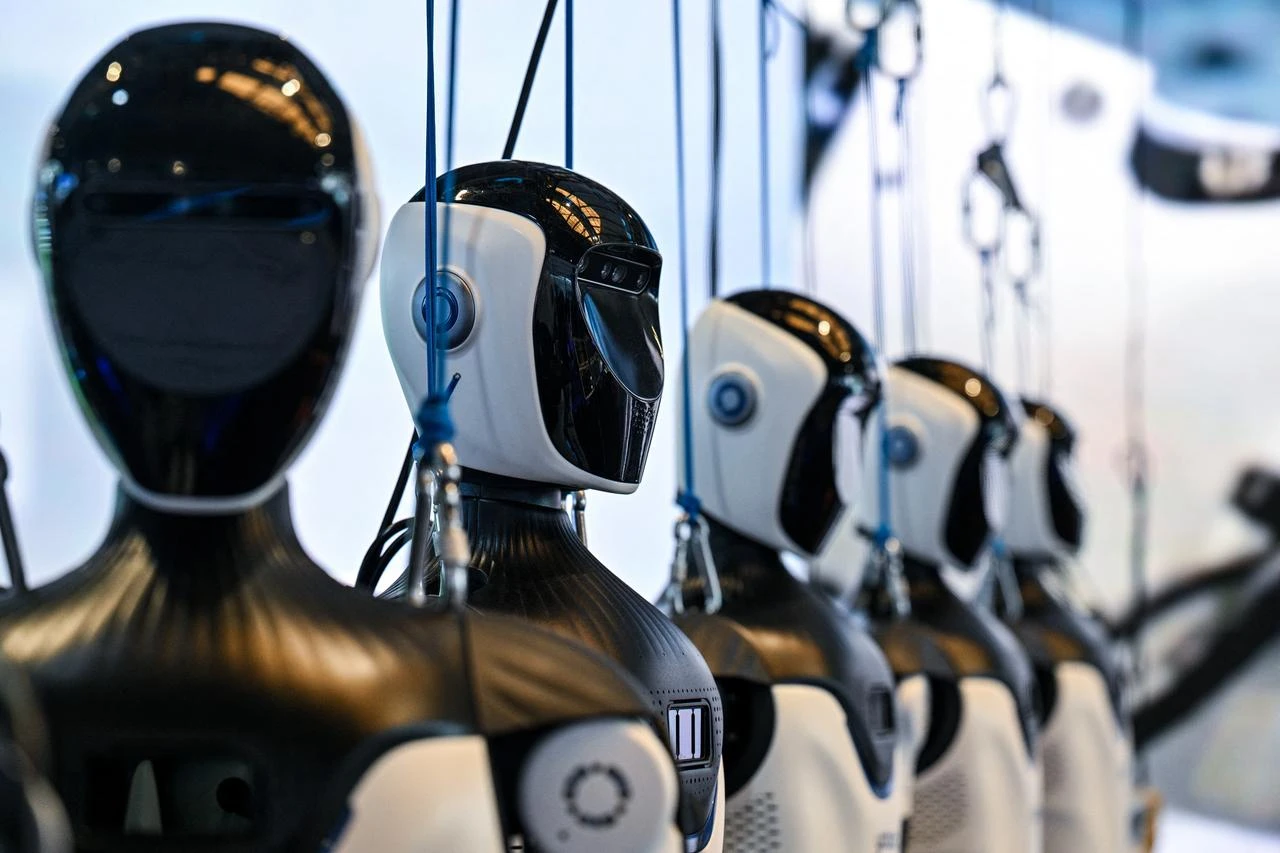
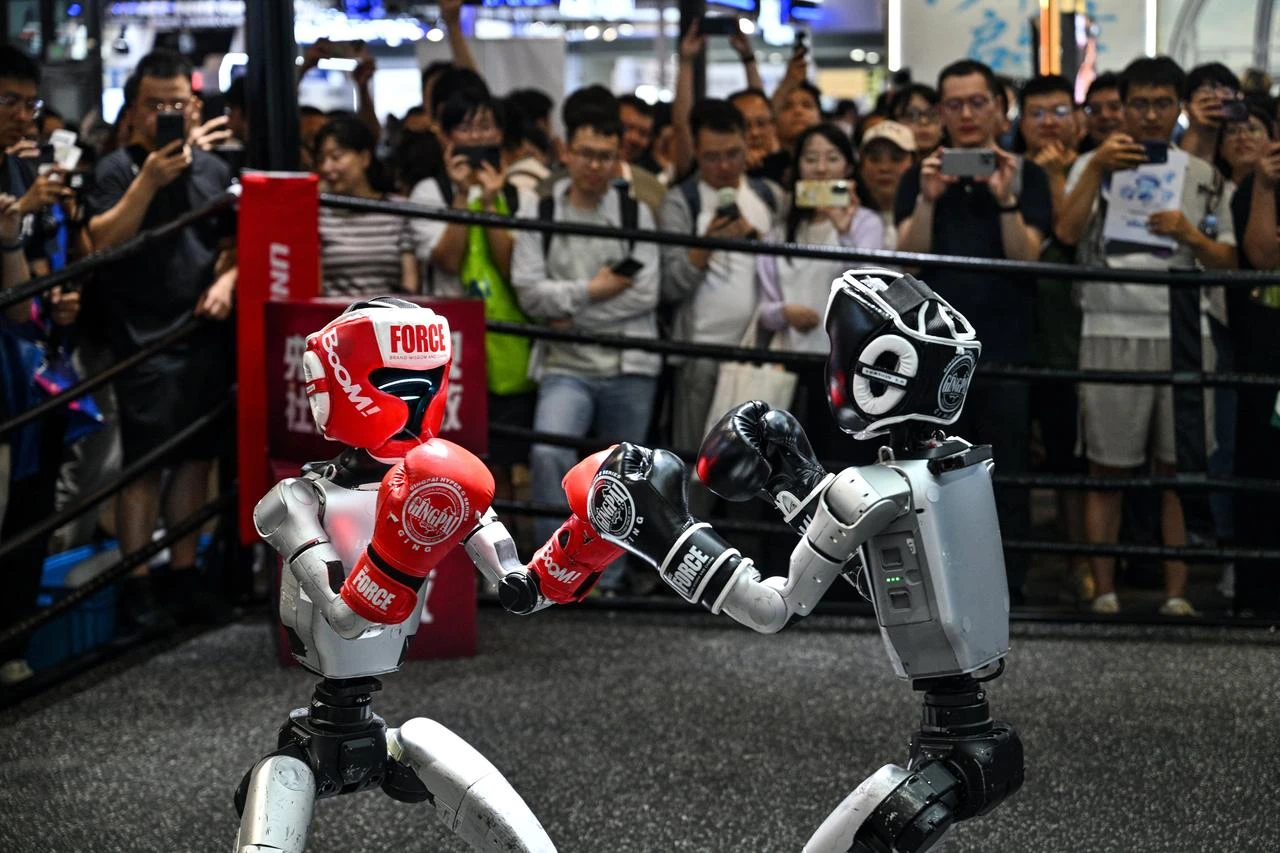
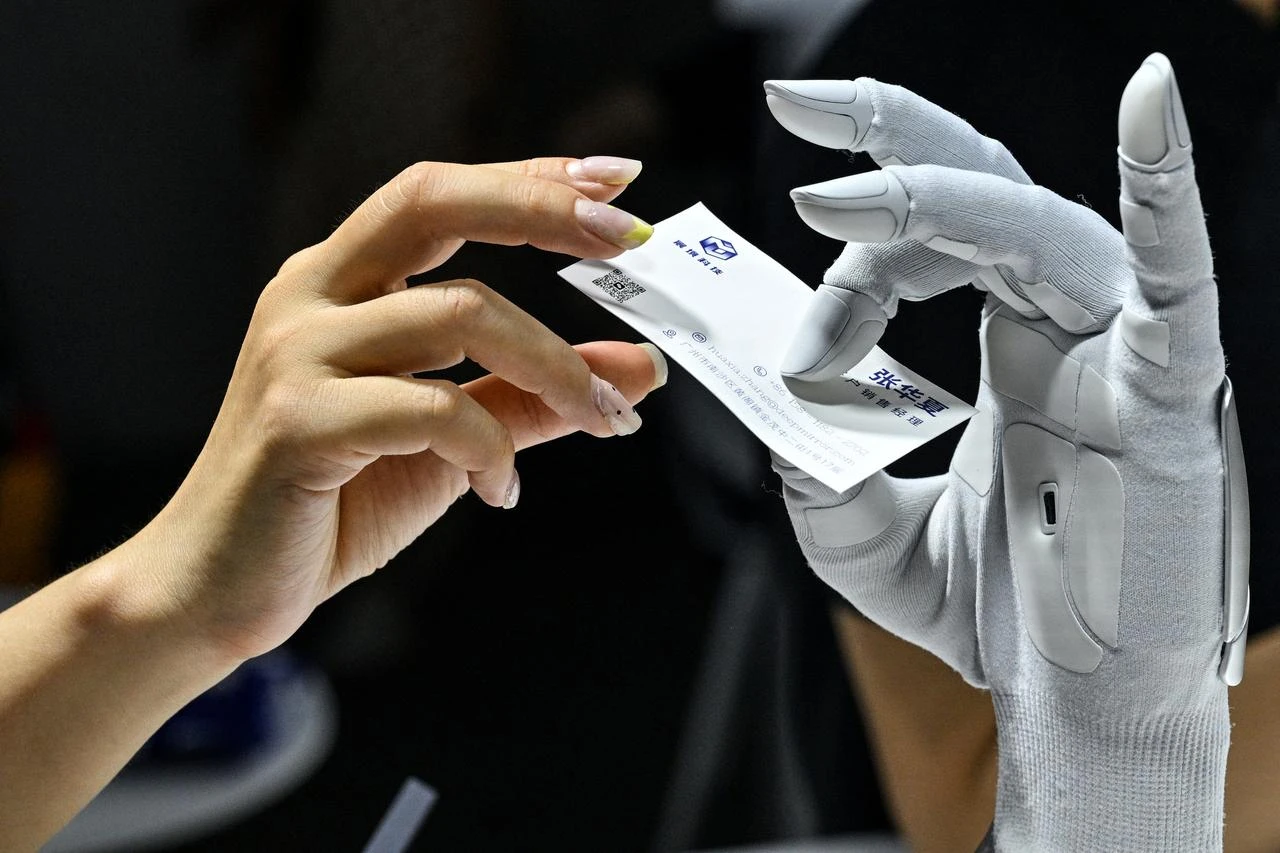
Embodied intelligence products, including humanoid robots and AI applications for education and healthcare, were also featured.
Representatives from about 80 countries and international organizations attended the event.
Chinese President Xi Jinping told the conference that artificial intelligence development should not be dominated by a single country and called instead for international cooperation, describing AI progress as requiring what he termed a "symphony of international cooperation" rather than a solo effort.
Xi also said countries should avoid overstretching national security concerns in the AI field at the expense of others' security.
The United States and the European Union maintain export restrictions on technology sent to China, citing national security concerns, while questions over which entities control leading AI technology have also surfaced within the American AI sector.
Xi also called for governments to establish laws, regulatory frameworks, technological monitoring systems, and early warning and emergency response mechanisms to keep artificial intelligence under human oversight, describing the approach as people-centric.
Shengyun Lu, founder of Shanghai-based consultancy Praxis Advisory, said China is seeking a leading position not only in AI technology development but in AI governance as well and suggested the sector could be regulated in a manner comparable to nuclear power.
On Thursday, Foreign Minister Wang Yi and representatives from 29 countries, including Russia, Pakistan and Indonesia, agreed to establish the intergovernmental AI cooperation group that would become WAICO. Lu noted that Western countries were largely absent from the initiative, pointing to the European Union's existing AI Act and separate regulatory efforts underway in the United States.
New York University professor Arun Sundararajan said recent signs of cooperation between the Chinese and American governments on AI were encouraging, though he said a single global approach to AI governance remained unlikely.
Attendees at WAIC included United Nations Secretary-General Antonio Guterres, Cambodian Prime Minister Hun Manet and Thai Prime Minister Anutin Charnvirakul.
During the conference, Beijing-based startup Moonshot AI released a new flagship model, Kimi K3, which the company described as demonstrating frontier-level performance.
Other new releases highlighted at the event included MiniMax's M3 model and Huawei's Atlas 950 computing system, designed for AI learning and reasoning tasks.
Poe Zhao of the analysis publication Hello China Tech said the conference's central theme this year was the shift from standalone AI models toward systems capable of being deployed at scale across everyday applications. State media, citing officials, reported that daily AI token consumption in China has increased a thousandfold over the past two years.
Several companies outside China, including Siemens, have adopted Chinese open-source AI models, citing performance, lower cost, and greater customization options compared with closed systems offered by US companies such as OpenAI and Anthropic.
Both of those U.S. firms previously delayed the release of their newest models following government concerns that the technology could be used to breach critical online infrastructure.
Mike Luan, who works at an AI research lab, told Agence France-Presse (AFP) outside the WAIC venue that broader, more cooperative governance frameworks could expand access to AI models currently controlled by a limited number of organizations.
The conference's outcomes, including the launch of WAICO and the volume of procurement agreements signed on-site, are being presented by Chinese officials as evidence of the country's growing role in shaping how artificial intelligence is developed and regulated internationally.


 Set as preferred source
 Set as preferred source



 1 min read