Newsletters


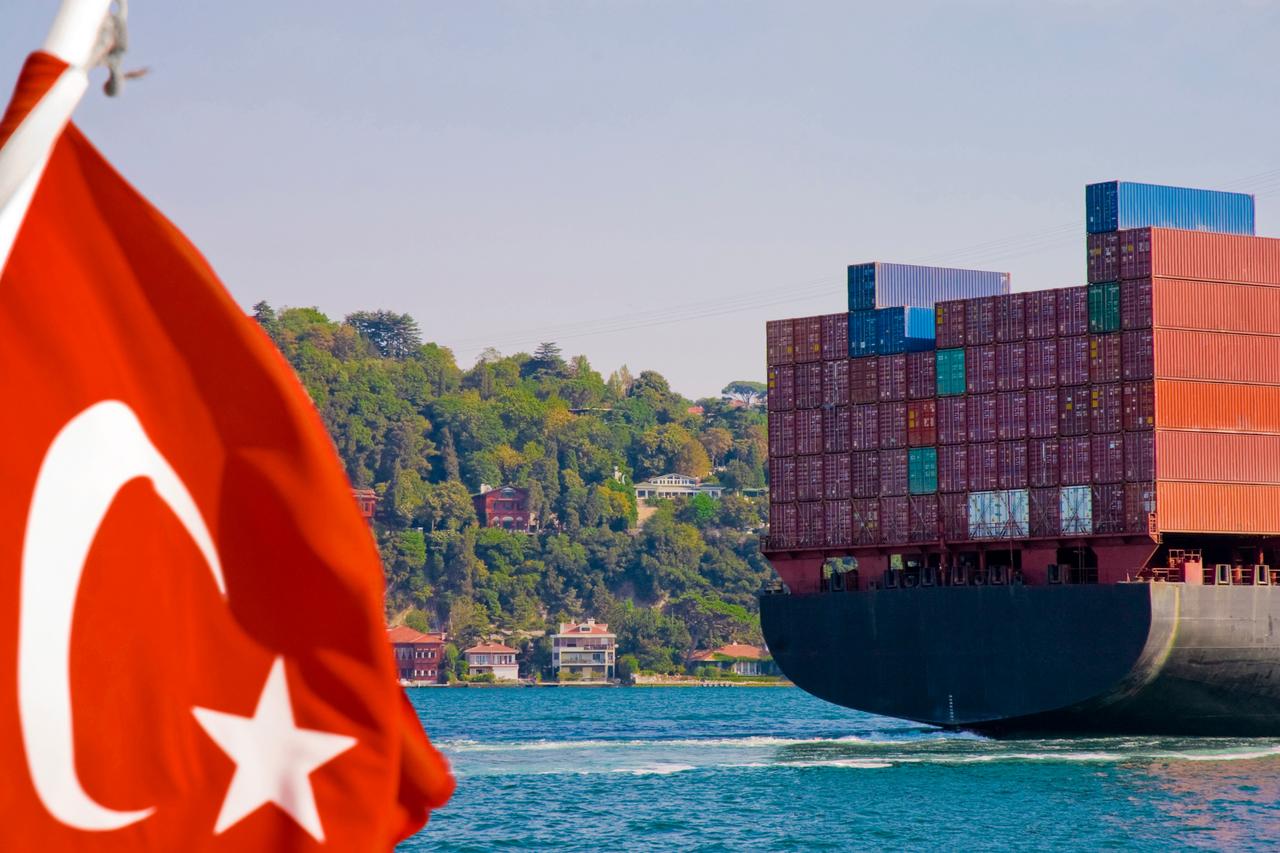


Türkiye is set to build on its $360 billion infrastructure investment to strengthen its position as a regional trade hub as the Iran war reshapes global supply chains, Finance Minister Mehmet Simsek said.
Speaking at a reception in London marking the 20th anniversary of the Presidential Investment and Finance Office, Simsek pointed to a restructuring of trade routes driven by the conflict, with new corridors emerging for countries with strong connectivity and production capacity.
"The war in the Middle East will lead to a rethinking and diversification of supply chains and the formation of new trade corridors,” he said. “At the same time, it will accelerate green and digital transformation. This creates significant opportunities."
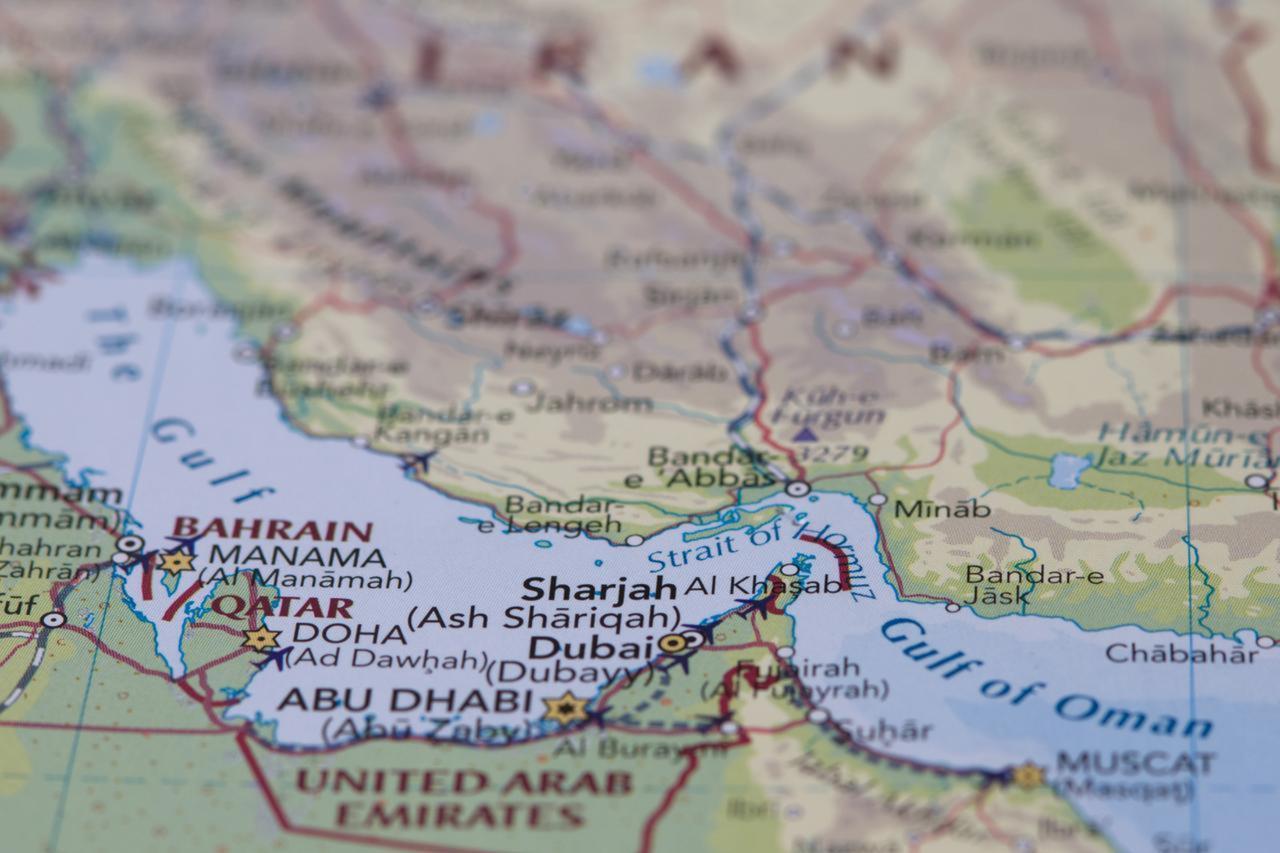
Disruptions across key global trade routes following the Iran war are accelerating a shift toward alternative corridors, as risks rise along major maritime and overland pathways linking Asia and Europe. Shipping through the Strait of Hormuz faces heightened security threats, while instability across the Red Sea and Suez Canal corridor is increasing transit times and costs.
These developments are driving greater reliance on alternative Eurasian corridors, particularly routes that bypass conflict zones and politically sensitive regions.
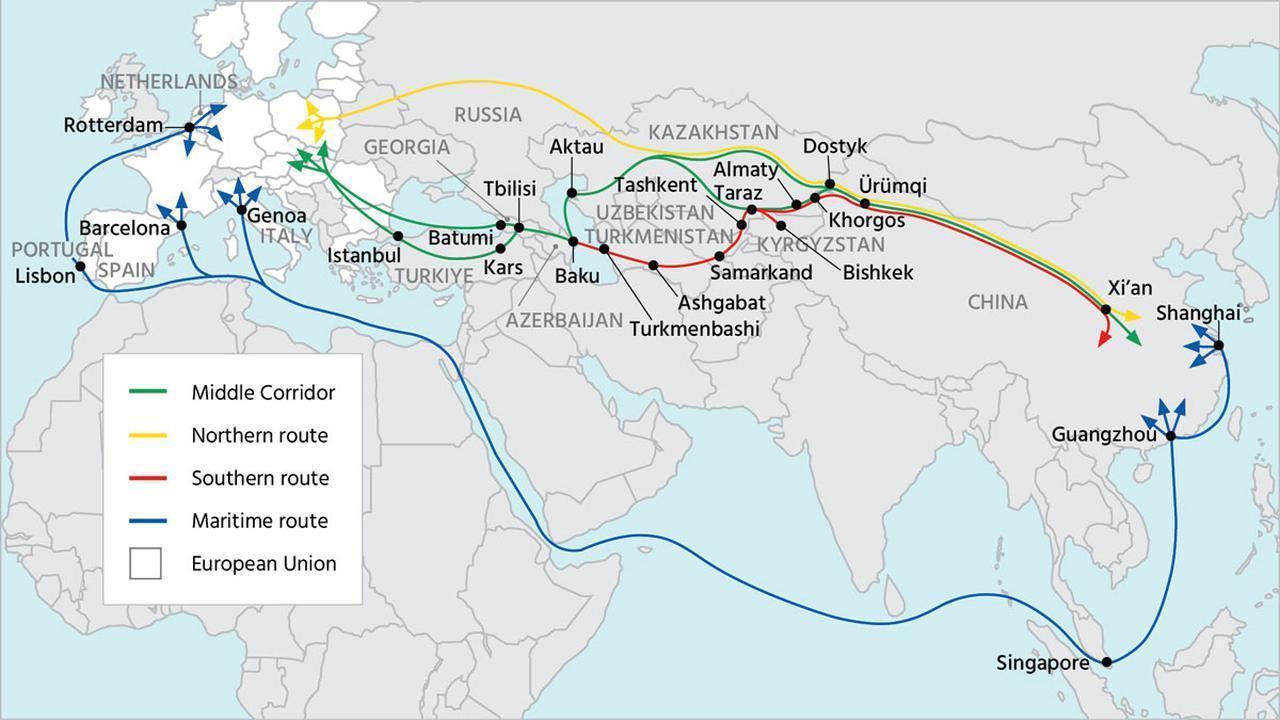

The minister highlighted Türkiye’s role in the Middle Corridor, a transcontinental trade route linking Asia to Europe via Central Asia and the Caucasus, and its investments in regional connectivity, which support its position in emerging trade routes shaped by the conflict. “Our focus is on the twin transformation,” he added, referring to green and digital transitions, noting that progress is ongoing in both areas.
Simsek pointed to Türkiye’s structural strengths as a basis for moving higher in global value chains. He noted that the country has a $1.6 trillion economy, a population of 86 million and a per capita income of around $18,000, placing it among the few economies with such combined scale.
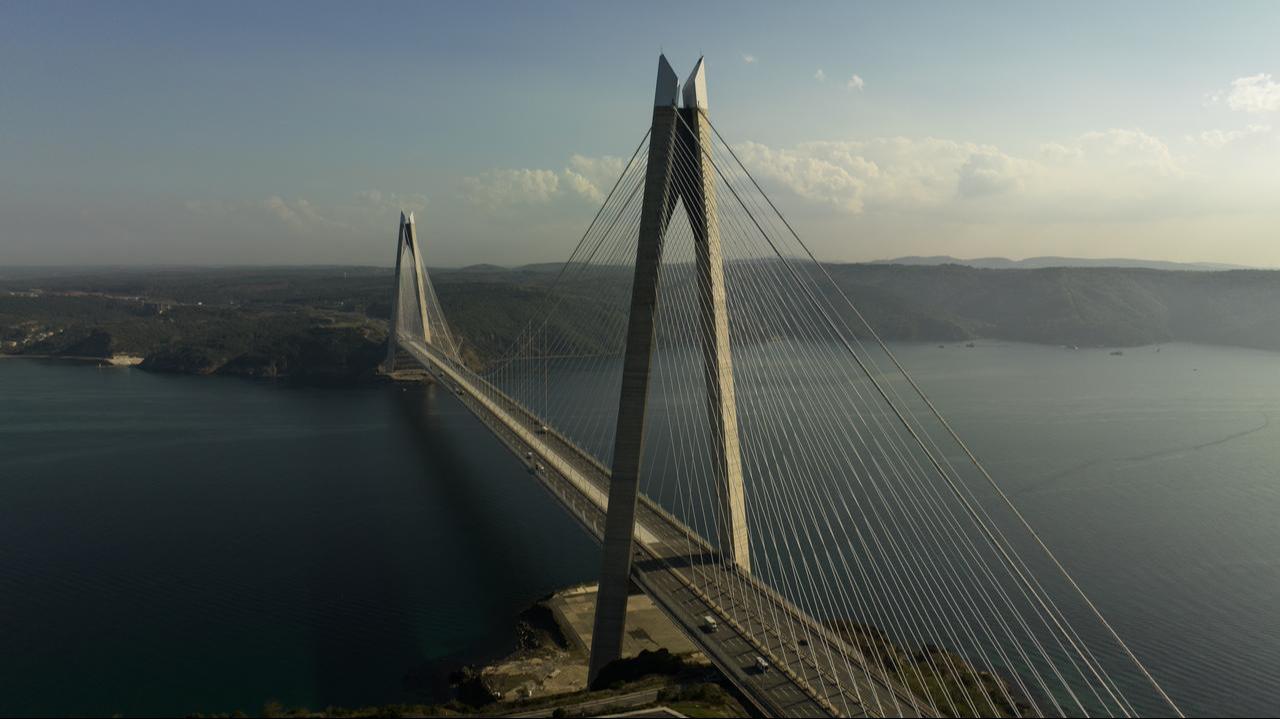
Simsek also underlined investment conditions, noting that Türkiye provides strong incentives for large-scale industrial projects backed by infrastructure and human capital. He added that the government aims to attract more foreign direct investment (FDI) while maintaining efforts to reduce inflation, ensure sustainability in the current account and improve competitiveness.
Separately, Investment and Finance Office President Ahmet Burak Dağlıoğlu highlighted the impact of reforms implemented since 2003 in building a resilient investment environment. He noted that total FDI has reached approximately $290 billion, while the number of international companies operating in Türkiye has risen from around 5,000 to over 87,000.
Emphasizing the country’s growing role as a regional base for global firms, Dağlıoğlu said, "Türkiye has become a regional hub for multinational companies in production, management, R&D, logistics and supply activities," adding that the country’s position is expected to strengthen further over the coming decades.


 Set as preferred source
 Set as preferred source


 1 min read
 1 min read