Newsletters


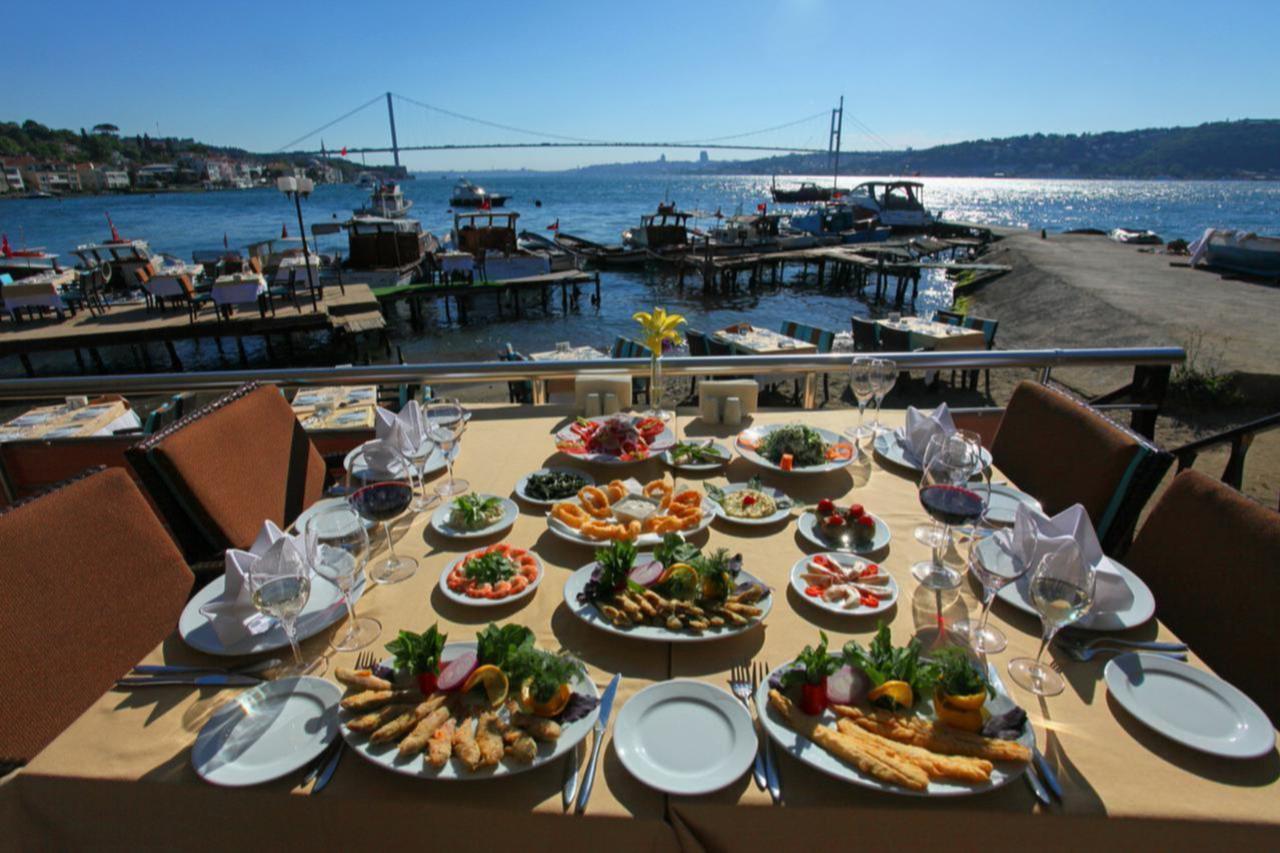


Eating out in Türkiye has moved from a social routine to a high-cost experience.
In major cities, two people dining at a mid-range restaurant rarely pay less than $46 (₺2,000).
In many places, the total bill reaches between $69 and $92. Some restaurants charge more than $115 for one evening meal. That amount can match a minimum wage earner’s weekly budget.
Per person, restaurant bills range from $12 to $35. The comparison that draws the most attention is simple. A single plate of doner can now cost as much as a mid-segment winter coat that can be worn for years.
With $46 to $80, consumers can buy a mid-range coat, sports shoes, jeans, or small household appliances. An evening meal now competes with durable goods in household budgets.
The shift becomes clearer when looking back at 2010.
At that time, one person could eat out for about $6.67 to $10.05 (early Aug. 2010 rate: $1 ≈ ₺1.49–₺1.50).
A minimum wage salary covered around 60 meals outside the home. Today, the same salary covers about 30 meals.
In 2010, a mid-range coat cost the equivalent of about $80 to $121 at the same exchange rate. Consumers then needed to give up 8 to 12 restaurant meals to buy one. Today, skipping one or two meals outside can cover the cost of a similar garment.
Over the past 10 years, basic food prices increased about 10-fold. Menu prices rose about 20-fold.
Over the last 15 years, restaurant prices increased three to five times faster than clothing prices. Economists describe this as a break in the historical balance between different consumer spending categories.
Restaurants often point to rising food costs when explaining higher menu prices.
Official data from the Turkish Statistical Institute show that food and non alcoholic beverage prices recently moved in line with or below overall inflation. Some items even recorded price declines.
Experts cited in the report say restaurant costs increased by about 30% to 40%. During the same period, menu prices rose between 150% and 300%. They say this gap strengthens debate over opportunistic pricing.
After the pandemic, restaurants also changed how they present dining. Many now frame meals as a premium experience rather than a basic need.
Sociologists argue that consumers continue to spend because they want to protect small areas of enjoyment. Social media also shapes expectations and demand.
Strong demand reinforces what some business owners describe as the idea that “whatever we write on the menu sells.”


 Set as preferred source
 Set as preferred source


 5 min read