Newsletters




Global markets came under fresh pressure Thursday as oil prices surged and equities retreated after U.S. President Donald Trump indicated conflict with Iran could stretch for another two to three weeks and may intensify, while offering no immediate fix for disruptions in the Strait of Hormuz.
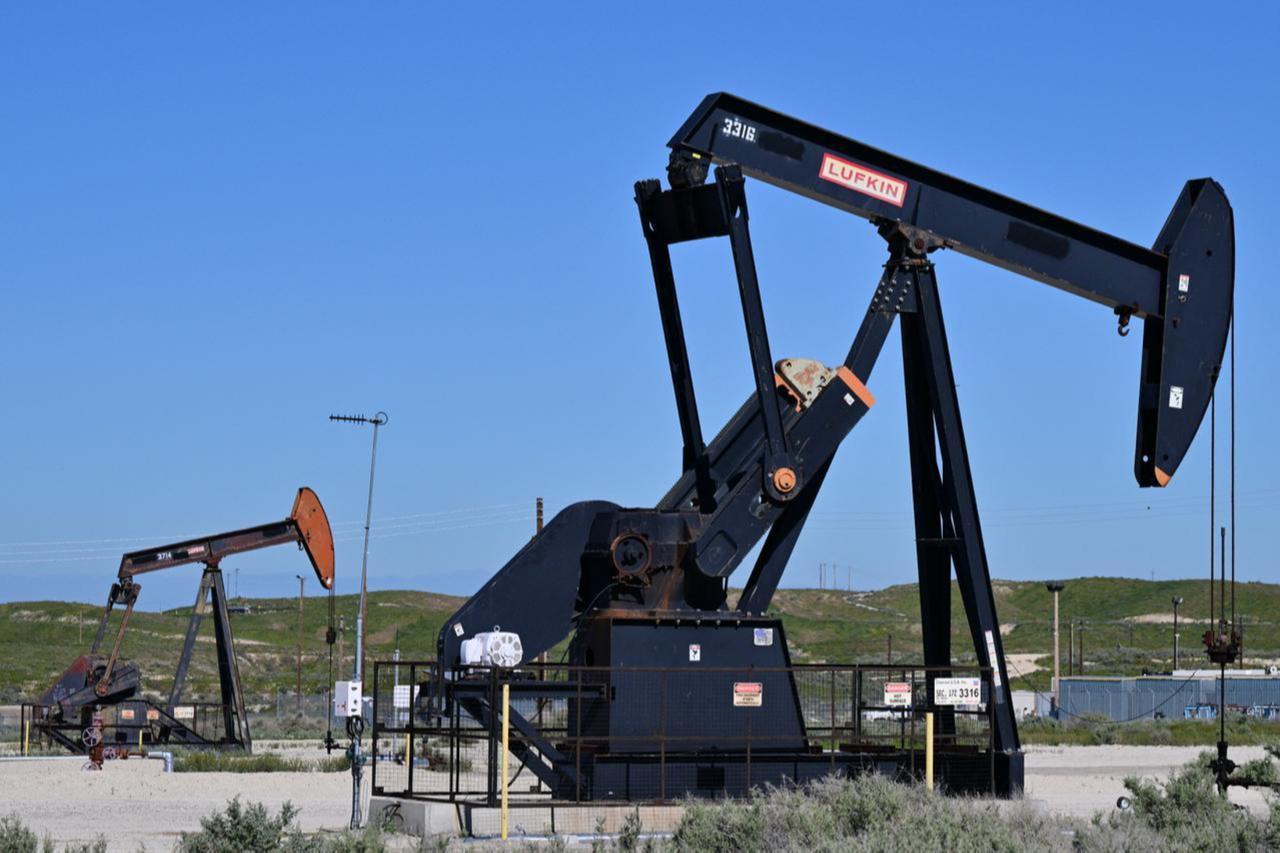
Crude prices climbed sharply after briefly easing below $100 a barrel a day earlier, with both Brent and U.S. benchmark WTI rising around 7% to $108.3 and $106.8 per barrel, respectively. European gas futures also moved higher, with prices at the Dutch TTF hub increasing by 6% to €50.3 per megawatt hour.
Equity markets across Asia closed lower as risk sentiment weakened. Japan’s Nikkei 225 dropped 2.38% to 52,463.27, while South Korea’s Kospi fell 5.6% to 5,170.27. Hong Kong’s Hang Seng and China’s Shanghai Composite both edged down around 0.7%.
In Europe, the Stoxx 600 slipped 1%, with Germany’s DAX losing about 1.4% and France’s CAC 40 declining 1%. U.S. futures also pointed lower, with the S&P 500 down 1%.
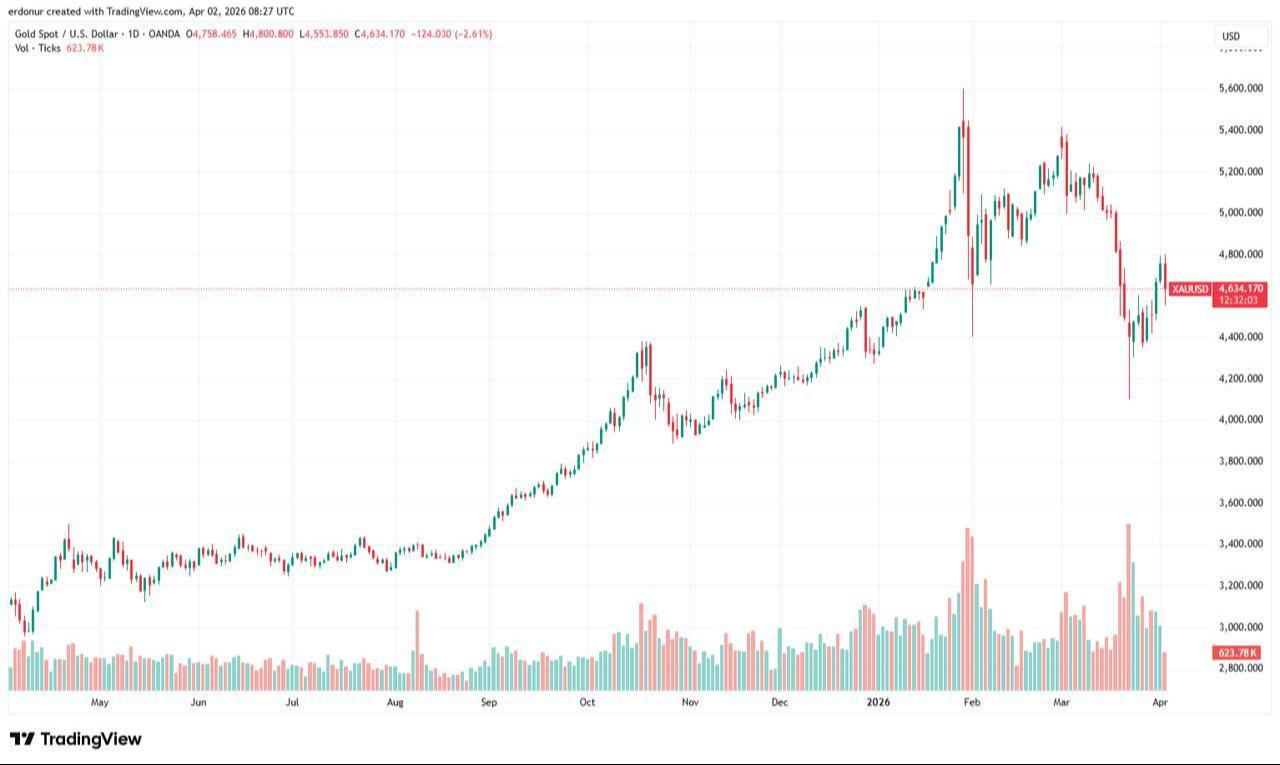
Precious metals reversed course after earlier gains. Gold fell 2.5% to $4,640 per ounce, while silver dropped nearly 5% to $71.5. Palladium and platinum also came under pressure, declining 1% and 3% to $1,440 and $1,880, respectively.
Cryptocurrency markets followed suit, with Bitcoin down 2.6% to $66,720 and Ethereum slipping 3.5% to $2,050. The total market capitalization of digital assets decreased 2.6% to $2.3 trillion.

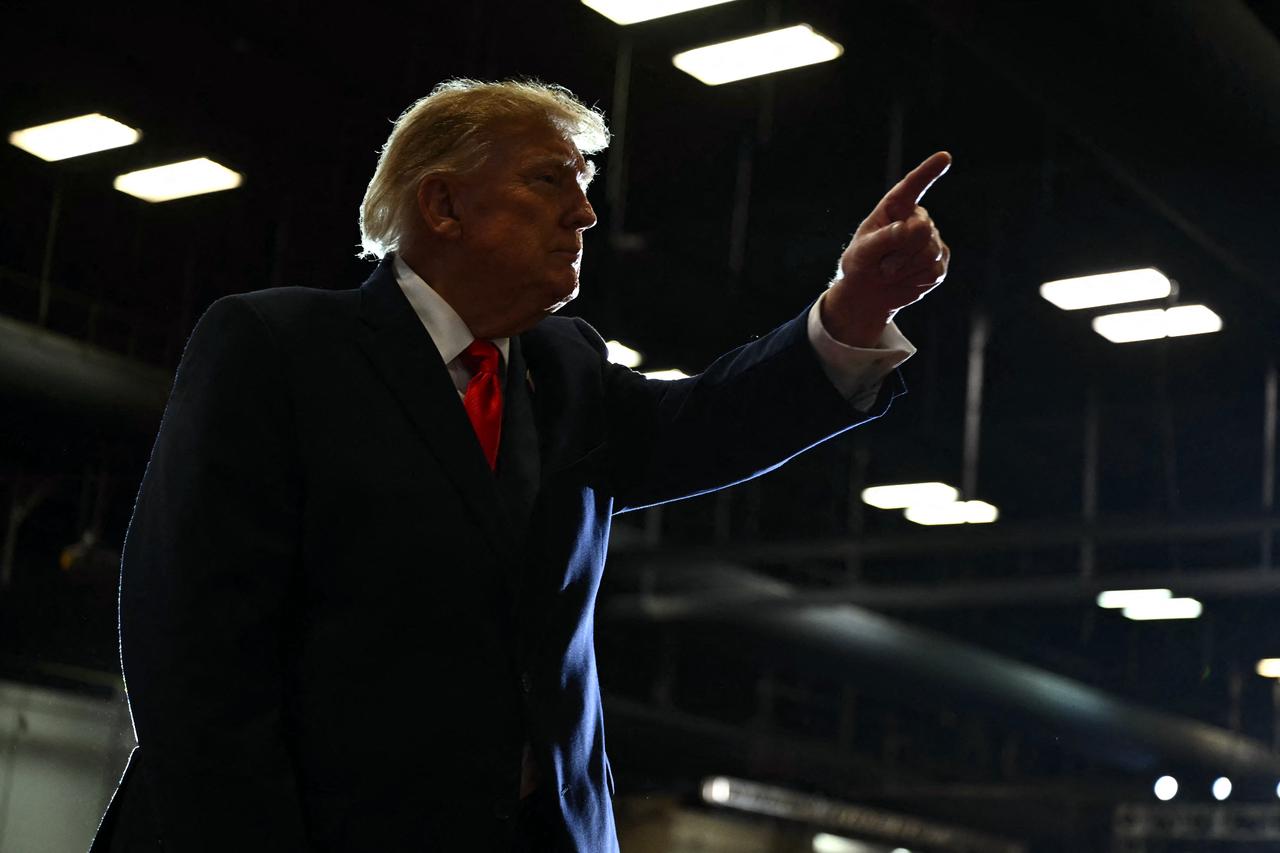
Trump, speaking in a national address, signaled Washington was nearing the final stage of its campaign but hinted at further escalation if talks break down. He downplayed U.S. reliance on the Hormuz route and called on other countries to take responsibility for securing it.
"The United States imports almost no oil through the Hormuz Strait and won’t be taking any in the future. We don’t need it. We haven’t needed it, and we don’t need it," he said, adding that countries dependent on the passage "must take care of that passage."
On the Iranian side, senior figure Mohsen Rezaei signaled a hard line, saying no diplomatic process would begin unless sanctions were lifted and compensation paid. He warned that the United States should not expect a swift end to the conflict, suggesting tensions could drag on despite Washington’s expectations.


 Set as preferred source
 Set as preferred source


 1 min read
 1 min read