Newsletters


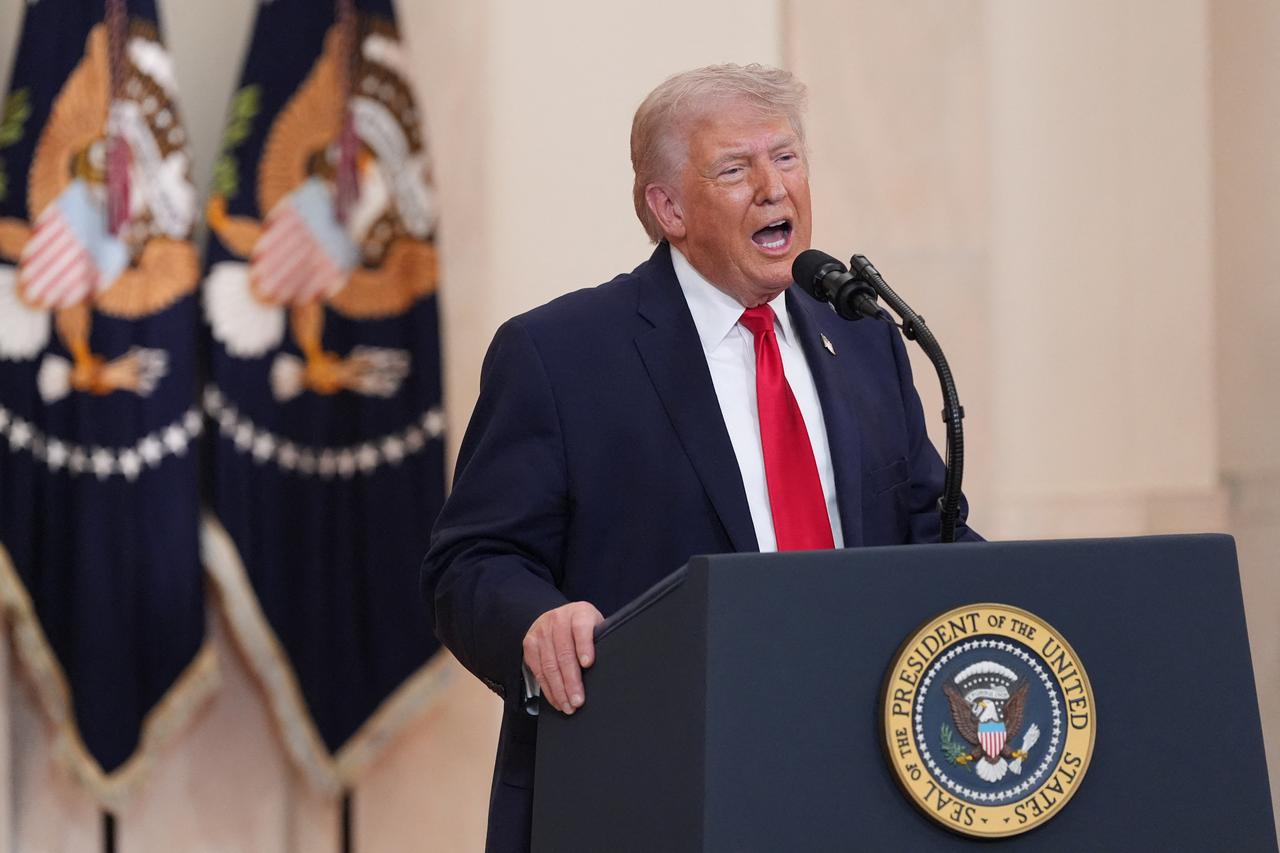


U.S. President Donald Trump said Washington was close to completing its military campaign against Iran, while signaling a sharper escalation if ongoing talks fail.
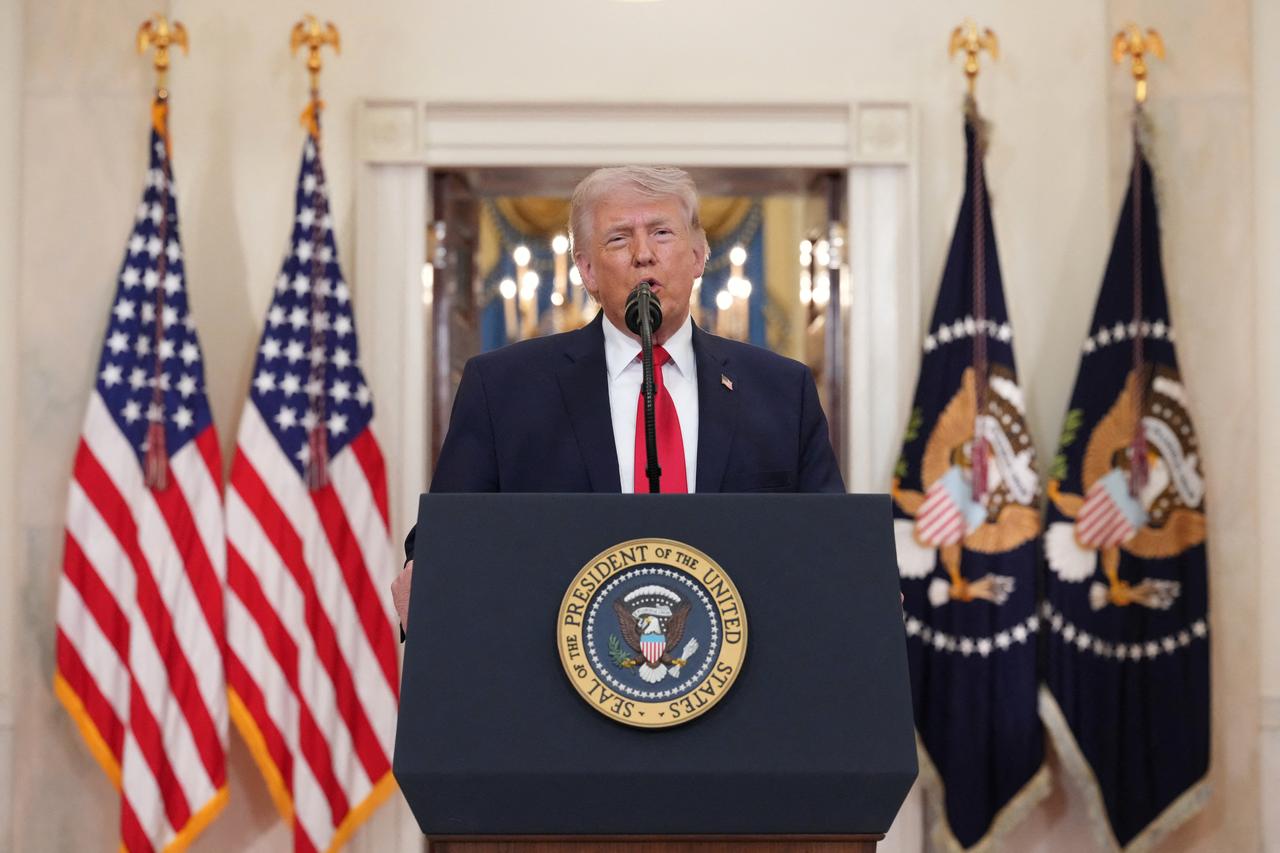
Speaking in a national address on Operation Epic Fury, Trump stated that core strategic goals were "nearing completion" after roughly one month of operations, describing the campaign as delivering "swift, decisive, overwhelming victories."
He claimed Iran’s military capabilities had been severely degraded, stating its navy was "gone," its air force "in ruins," and its missile and drone capacity significantly reduced. "We are on track to complete all of America’s military objectives shortly, very shortly," Trump said, adding that the next two to three weeks would bring intensified strikes.
Trump said the operation aimed to prevent Iran from acquiring nuclear weapons, arguing the risk posed by Tehran had reached an unacceptable level. He pointed to previous U.S. actions, including strikes on nuclear facilities and the killing of Iranian General Qassem Soleimani, as part of a broader effort to curb Iran’s capabilities.
According to Trump, recent U.S. attacks had "totally obliterated" key nuclear infrastructure, while warning that Iran had attempted to rebuild its program elsewhere.
The president confirmed that 13 U.S. service members had been killed and around 303 injured since the start of the operation, emphasizing that their deaths underscored the need to complete the mission. He said families of the fallen had urged him to "finish the job," adding that the United States was "getting very close" to doing so.
While noting that discussions with Iran were ongoing, Trump warned that failure to reach a deal would trigger expanded targeting of critical infrastructure. He said U.S. forces were prepared to strike Iran’s electricity network "very hard, and probably simultaneously," and stressed that additional options remained on the table.

Trump also indicated that Iran’s oil sector had so far been spared but could be targeted, describing it as "the easiest target" if escalation continues.
Addressing global energy concerns, he said the United States no longer depends on oil passing through the Strait of Hormuz and would not rely on it in the future. He urged other countries dependent on the route to secure it themselves or turn to U.S. energy supplies, while predicting that the strait would reopen naturally once the conflict ends.
Trump linked recent gasoline price increases in the U.S. to Iranian attacks on commercial oil tankers, describing them as a temporary disruption.
Regional tensions have escalated since Feb. 28, when the United States and Israel launched coordinated strikes on Iran that killed more than 1,340 people, including then-Supreme Leader Ayatollah Ali Khamenei.
Iran responded with drone and missile attacks targeting Israel and Gulf countries hosting U.S. military assets, broadening the conflict across the Middle East.


 Set as preferred source
 Set as preferred source


 1 min read
 1 min read