Newsletters


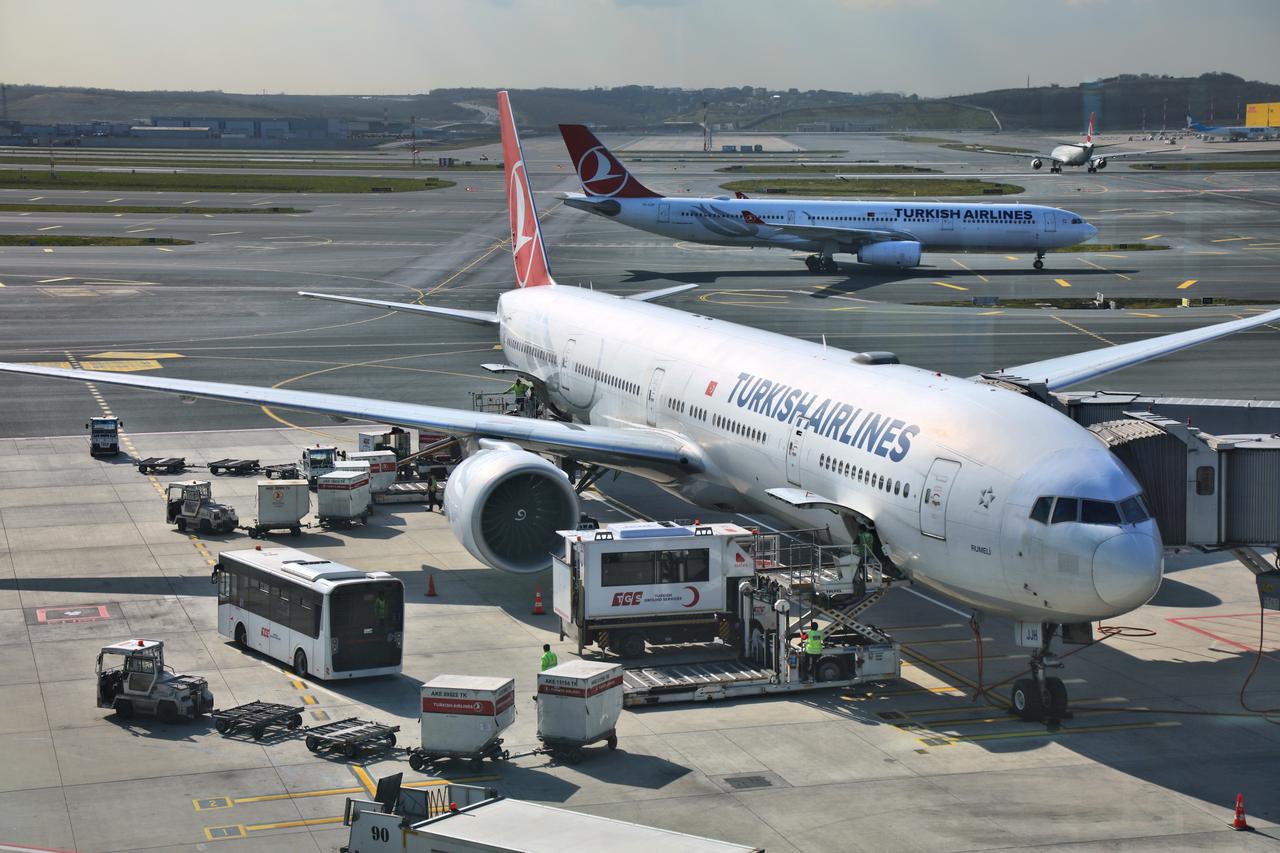


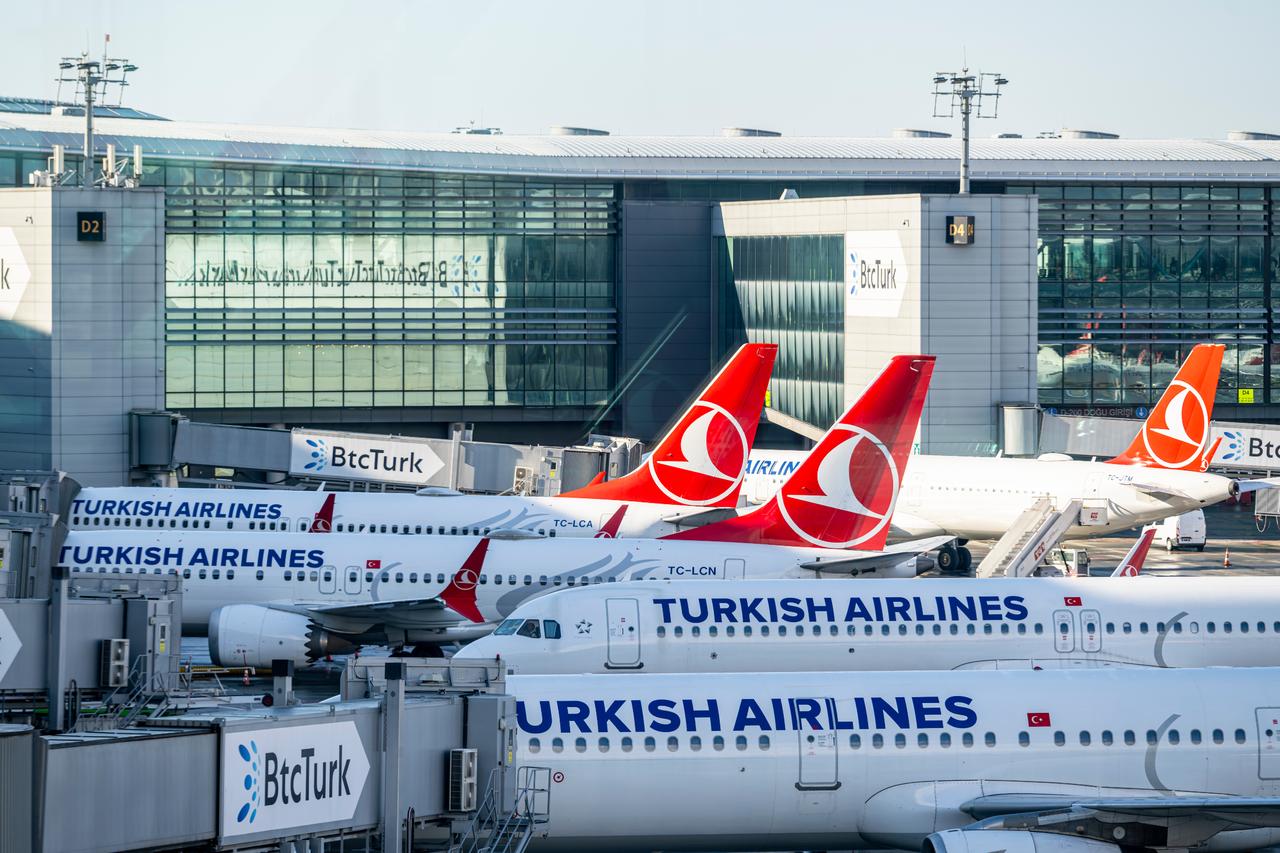
Türkiye's flag carrier Turkish Airlines plans to launch nonstop flights to parts of Australia and South America from late 2027 as a new generation of ultra-long-range aircraft joins its fleet, the airline's chairman unveiled on Monday.
"With specially designed versions of the Airbus A350, we will be able to connect Istanbul to even longer routes," Turkish Airlines Chairman Murat Seker said at the International Air Transport Association (IATA) Annual General Meeting and World Air Transport Summit in Rio de Janeiro.
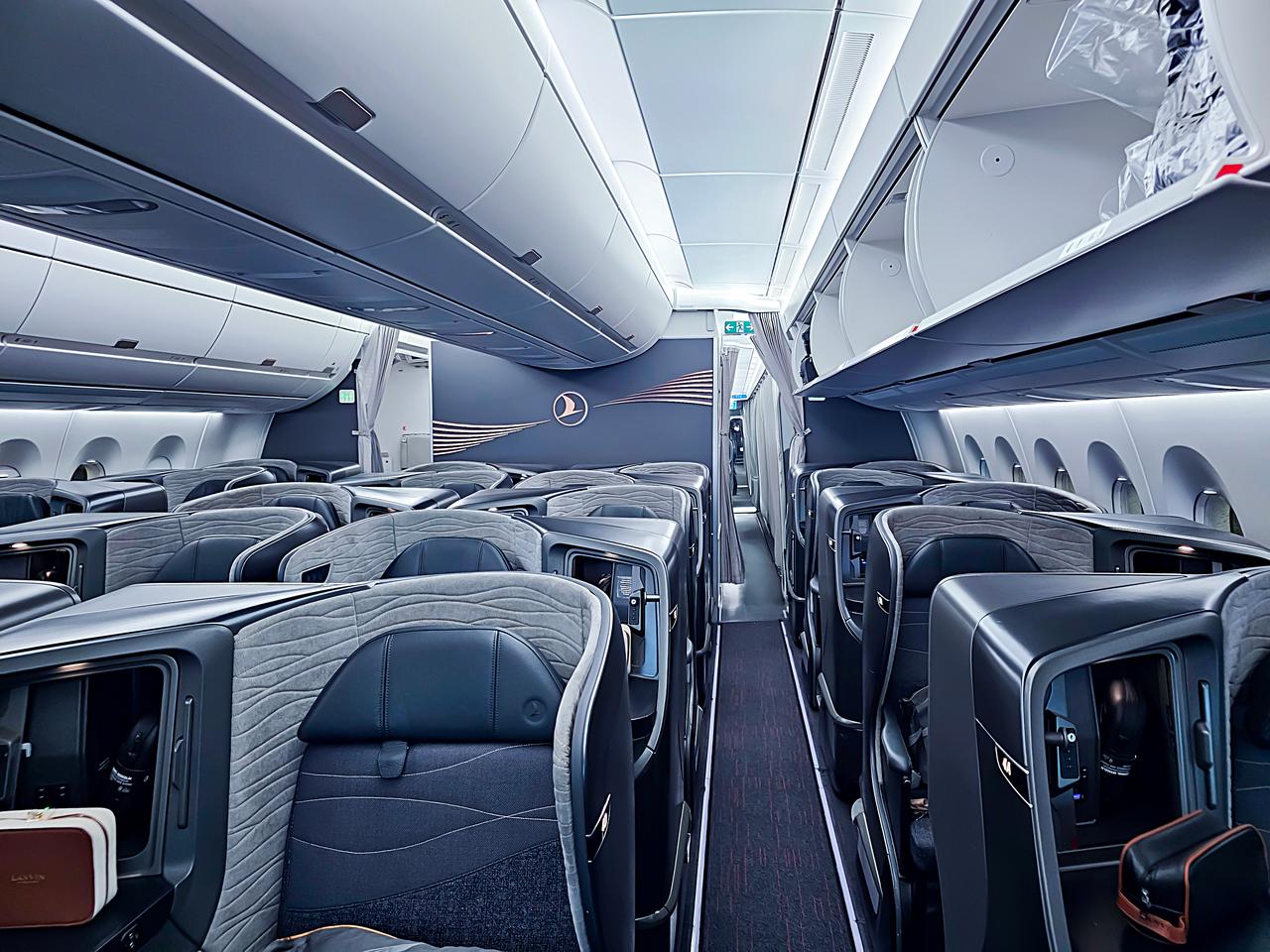
The incoming Airbus A350-1000 aircraft will be configured for ultra-long-haul operations and capable of flying for up to 17 hours without stopping, he noted, adding potential routes include Sydney and Melbourne in Australia, along with cities such as Argentina's Buenos Aires, Chile's Santiago, and Peru's Lima.
The planned additions form part of a broader fleet program that remains on track despite challenges facing the aviation industry, Seker stressed. He said the carrier has already placed orders for nearly 420 aircraft through agreements with Airbus and Boeing, while negotiations continue for around 100 Boeing jets.
Alongside fleet investments, the company is increasing its focus on business segments that offer stronger returns than traditional passenger transportation. Those areas include Turkish Holidays, the airline's loyalty program, TKPAY, payment solutions, digital wallet services and cargo subsidiary Widect, which provides door-to-door delivery operations.
In a highly competitive market, airlines can no longer rely solely on carrying more passengers to improve profitability, Seker argued. "We will invest more in areas that generate higher added value," he said.
He pointed out that cooperation with Spanish-based Air Europa, in which Turkish Airlines has agreed to acquire a roughly 26.5% stake through a €300 million investment, could also be viewed within that broader commercial approach.

Regional tensions in the Gulf after the outbreak of the Iran war temporarily shifted passenger flows and allowed Turkish Airlines to attract travelers who would normally fly with competing carriers. During that period, the airline carried passengers from South Asia, the Far East, the Maldives, Seychelles and the Americas while some Gulf operators faced operational disruptions.
During the first four months of 2026, Turkish Airlines carried 3.4 million passengers on Far East routes, up 24.2% from a year earlier, while traffic to Africa increased 18.2% to 1.7 million passengers. European routes remained the airline's largest market, carrying 9.6 million passengers, an 11.5% increase year-over-year.
In contrast, passenger numbers on Middle East routes fell 14.9% to 2.5 million, while available seat capacity in the region declined 21.1% to 5.7 billion seat kilometers.
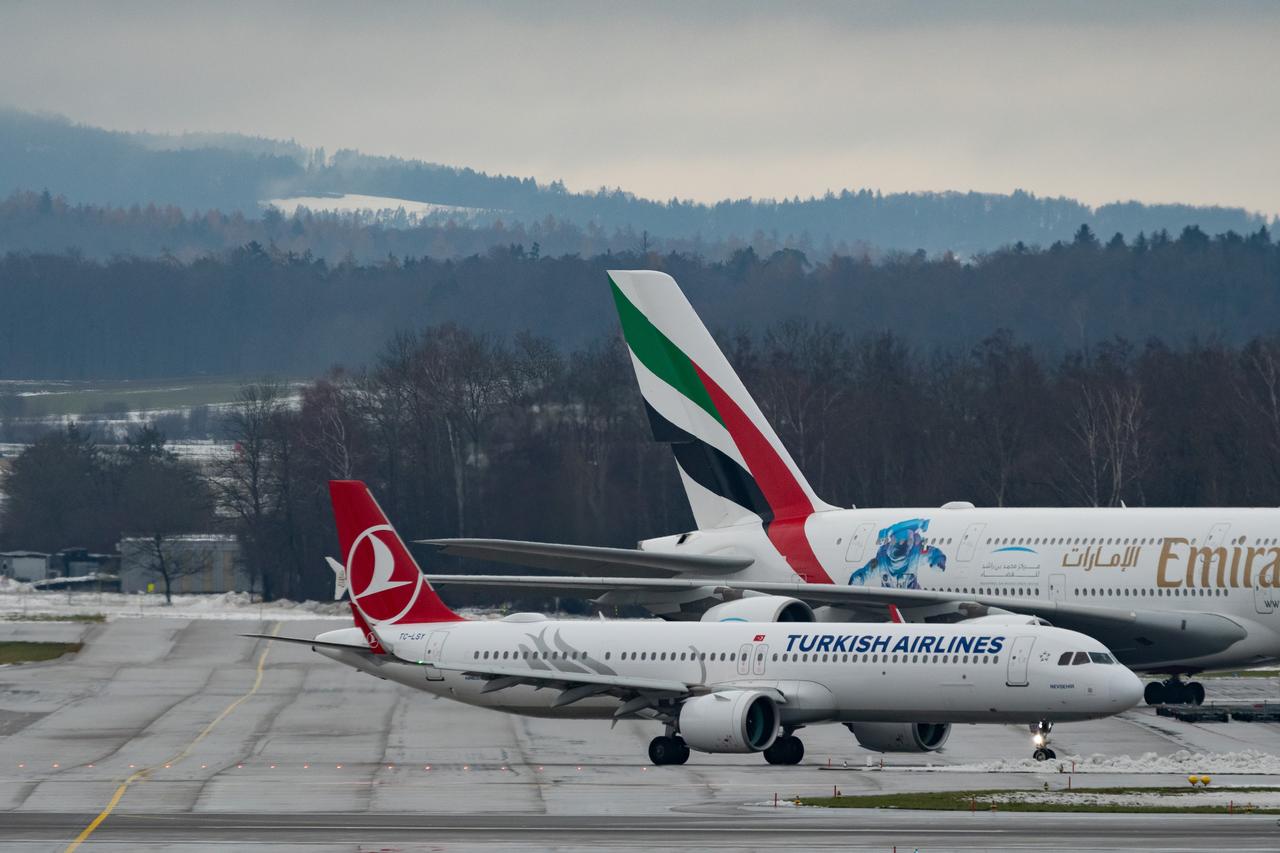
"We think we gained a significant number of passengers who flew with Turkish Airlines for the first time," Seker stated, even as competition largely returned, with Qatar Airways recovering about 85% of its capacity and Emirates and Etihad restoring around 90% or more of pre-conflict operations.
The chairman described 2026 as a challenging year due to fuel-related cost pressures, though he expressed confidence that the current geopolitical tensions would not continue through the end of the summer.
The airline had initially budgeted for capacity growth of around 7% to 8%, but now expects an increase of only 1% to 2% this year. Despite the weaker outlook, Seker said Turkish Airlines' extensive network provides flexibility during periods of market disruption.
"We hope to complete this year with limited losses and reasonable growth, then continue from where we left off," he said. He also emphasized that fuel availability is not a concern thanks to Türkiye's refining capacity and access to multiple supply sources, although higher market prices continue to affect operating costs.
Fuel remains the airline's single largest expense item, although its share of operating costs has declined in recent years. Turkish Airlines' fuel bill stood at $6 billion in 2025 and rose to $1.6 billion in the first quarter of 2026 from $1.4 billion a year earlier, while average fuel cost increased 3% year-over-year to $843 per ton.
However, fuel-related cost pressures are expected to intensify in the coming quarters as the ongoing Iran war continues to disrupt global jet fuel supply and keep prices elevated.
Kamil Alawadhi, IATA's regional vice president for Africa and the Middle East, nevertheless expressed confidence in the long-term outlook for Turkish aviation, pointing to the country's extensive aircraft order pipeline.
"Türkiye's aircraft orders are at very high levels. For this reason, the country can't remain at its current size," Alawadhi said. "We expect the Turkish aviation sector to continue growing in the coming period."
He described Türkiye as one of the countries that understands the aviation industry well and has successfully developed airport infrastructure, airline operations and sector management. Alawadhi also noted that Turkish carriers play an active role within IATA through various committees and working groups, adding that the organization maintains particularly close engagement with Türkiye.
Türkiye's strategic location, strong airlines and modern airports have helped turn it into a major international transit hub, steadily increasing its importance within the global aviation network, he added.


 Set as preferred source
 Set as preferred source


 1 min read
 1 min read