Newsletters


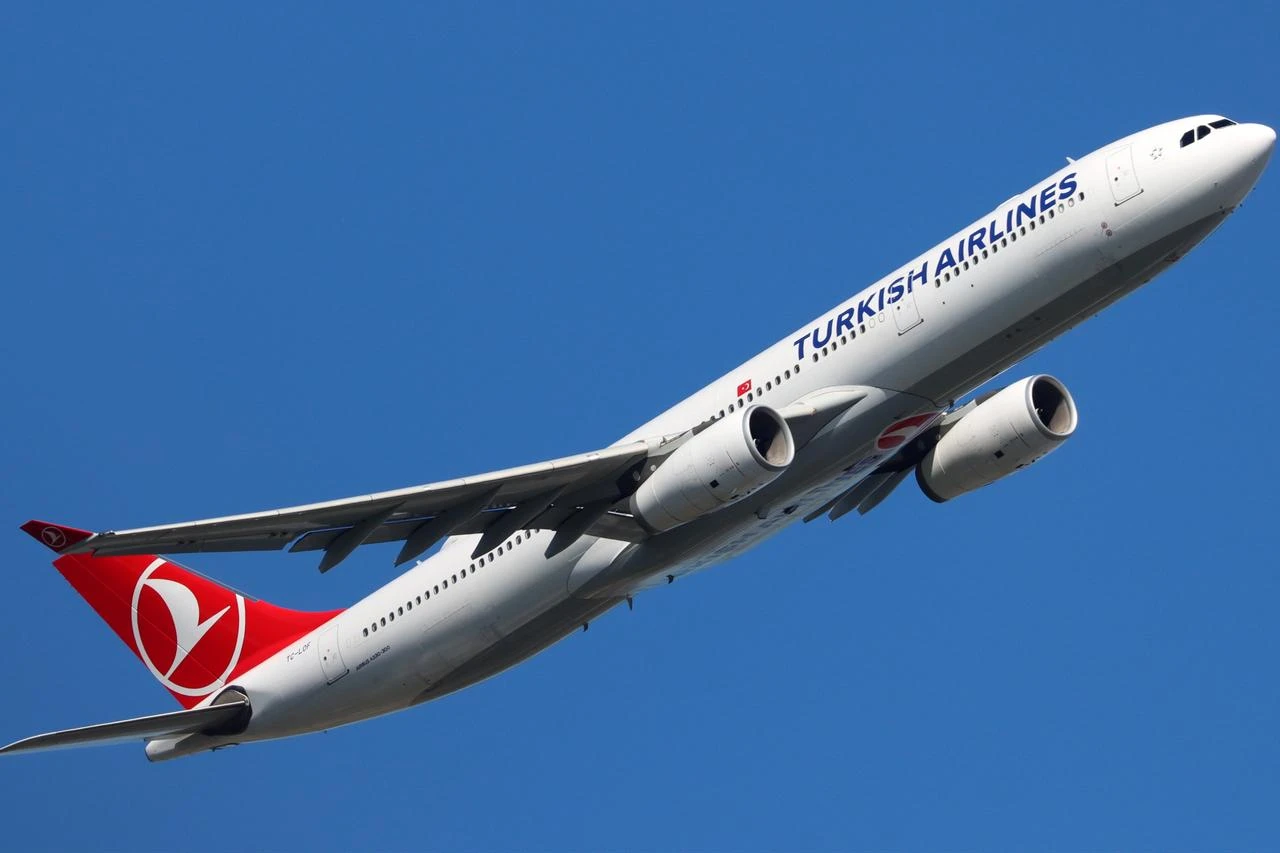


Türkiye's flag carrier, Turkish Airlines, geared up its search for acquisition opportunities, with its next deals likely to target Asia and South America as the carrier pushes ahead with plans to expand its global aviation portfolio, Chairman Murat Seker said.
Seker told Bloomberg TV that the flag carrier widened its search for acquisitions after agreeing last August to invest €300 million ($342.7 million) for a minority stake in Spanish carrier Air Europa.
The deal, expected to give Turkish Airlines a 25% to 27% stake once completed, is aimed at strengthening its reach in Latin America and the Iberian Peninsula, where Air Europa has an extensive route network that complements Turkish Airlines' global operations.
Turkish Airlines already owns a 50% stake in leisure carrier SunExpress, with the remaining 50% held by Germany's Lufthansa under a long-standing joint venture established in 1989.
Beyond airlines, Turkish Airlines is weighing possible investments in cargo operators and aircraft maintenance, repair and overhaul (MRO) companies as it broadens its presence across the aviation industry.
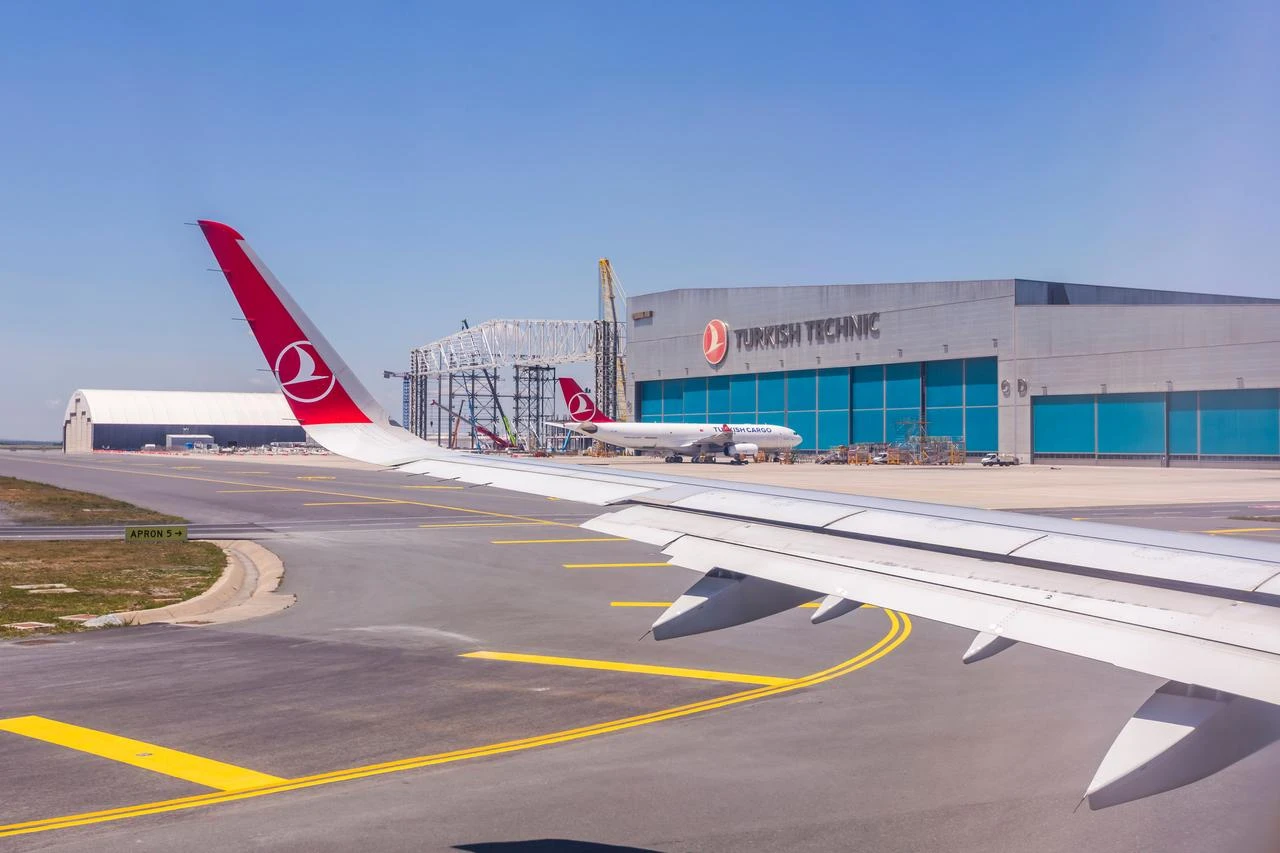
The company has already been expanding its maintenance business through Turkish Technic. In May 2025, it joined Rolls-Royce's global MRO network and launched a $300 million engine maintenance facility at Istanbul Airport.
Scheduled to open in 2027, the center will service Trent XWB-84, Trent XWB-97 and Trent 7000 engines, with capacity for 200 shop visits annually, serving both Turkish Airlines and third-party customers.
Earlier this year, the carrier broke ground on a ₺100 billion ($2.1 billion) expansion program that includes the second phase of its SmartIST cargo hub, additional maintenance hangars and a new engine maintenance center at Istanbul Airport.

Seker said Turkish Airlines saw stronger passenger demand during the Iran war as airspace closures across much of the Middle East and travelers' reluctance to fly over the Persian Gulf redirected traffic toward the carrier.
However, the boost proved temporary as airlines restored flights, airspace restrictions eased, and travelers gradually returned to their usual booking patterns.
Passenger numbers reached 7.2 million in March (up 16% year-on-year), 7.2 million in April (down 2.9%), 7.9 million in May (up 3.7%), and 8.1 million in June (down 1.6%), as regional operations normalized.
Despite the fluctuations, Turkish Airlines carried 44.5 million passengers in the first half of the year, a 5.5% increase from the same period last year.
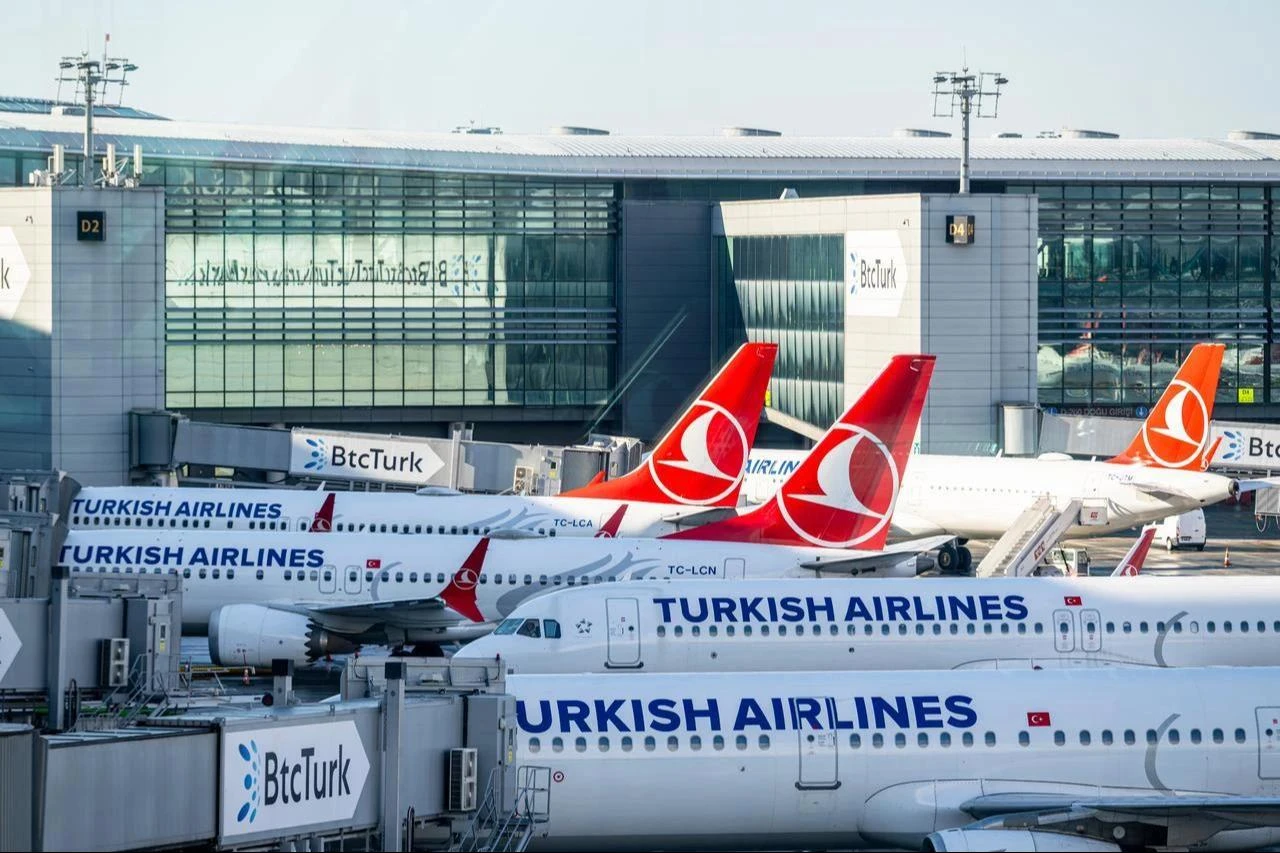
Turkish Airlines is also pressing ahead with one of the aviation industry's largest fleet renewal and expansion programs as it works to meet surging long-term demand.
The carrier is seeking to finalize an order for 150 Boeing 737 MAX aircraft, including 100 firm orders and 50 purchase options, with negotiations now centered on engine supplier CFM International after reaching commercial terms with Boeing, Seker indicated.
Turkish Airlines had previously said negotiations with Boeing had been completed, with talks now focused on securing more favorable terms from CFM International for LEAP-1B engines, spare engines and long-term maintenance services.
Once completed, the transaction would mark the airline's largest-ever order for Boeing narrow-body jets and follows last year's White House meeting between U.S. President Donald Trump and Turkish President Recep Tayyip Erdogan, where the purchase was announced.
The 737 MAX deal is part of a broader fleet strategy unveiled in 2023 under which Turkish Airlines aims to expand its fleet from around 550 aircraft to more than 800 by 2033, while carrying 171 million passengers annually, up from roughly 92 million today.


 Set as preferred source
 Set as preferred source


 1 min read
 1 min read