Newsletters


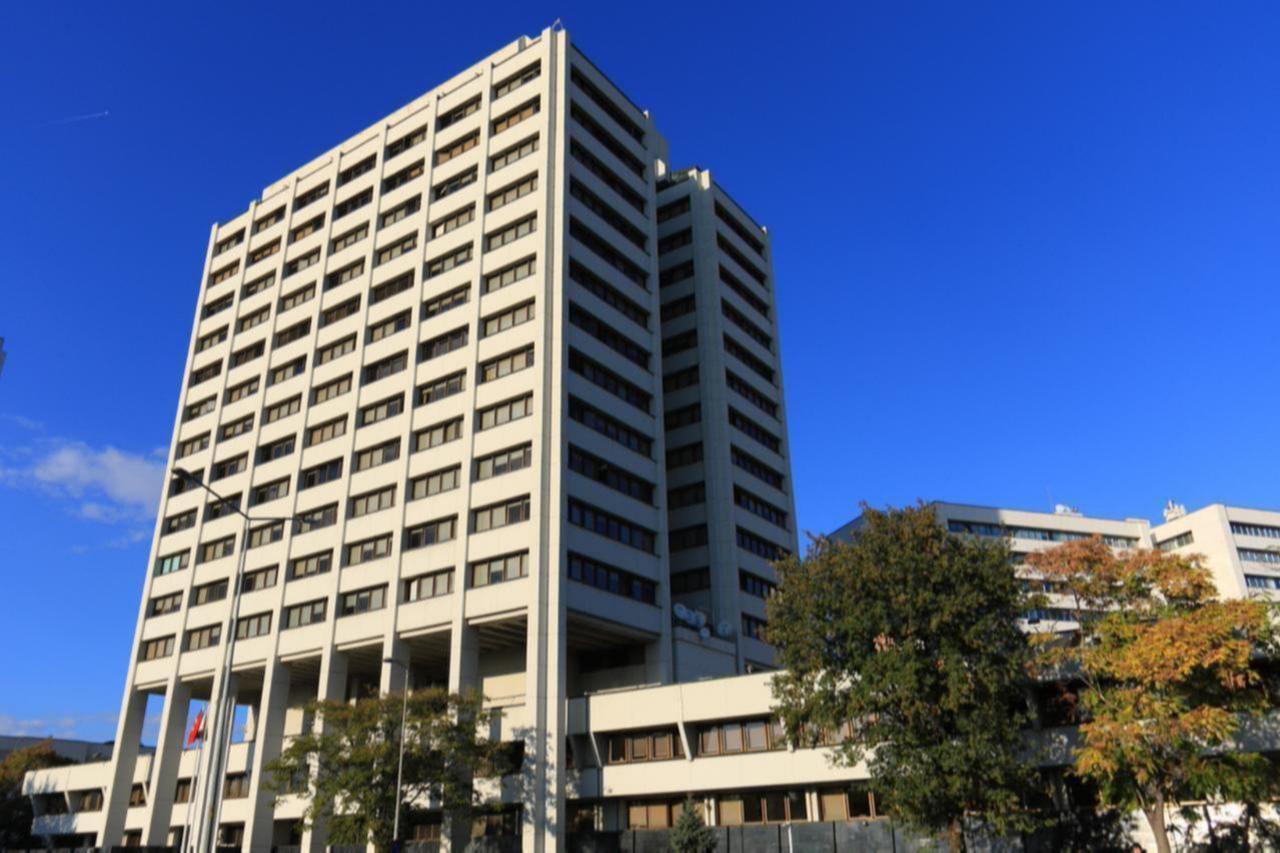


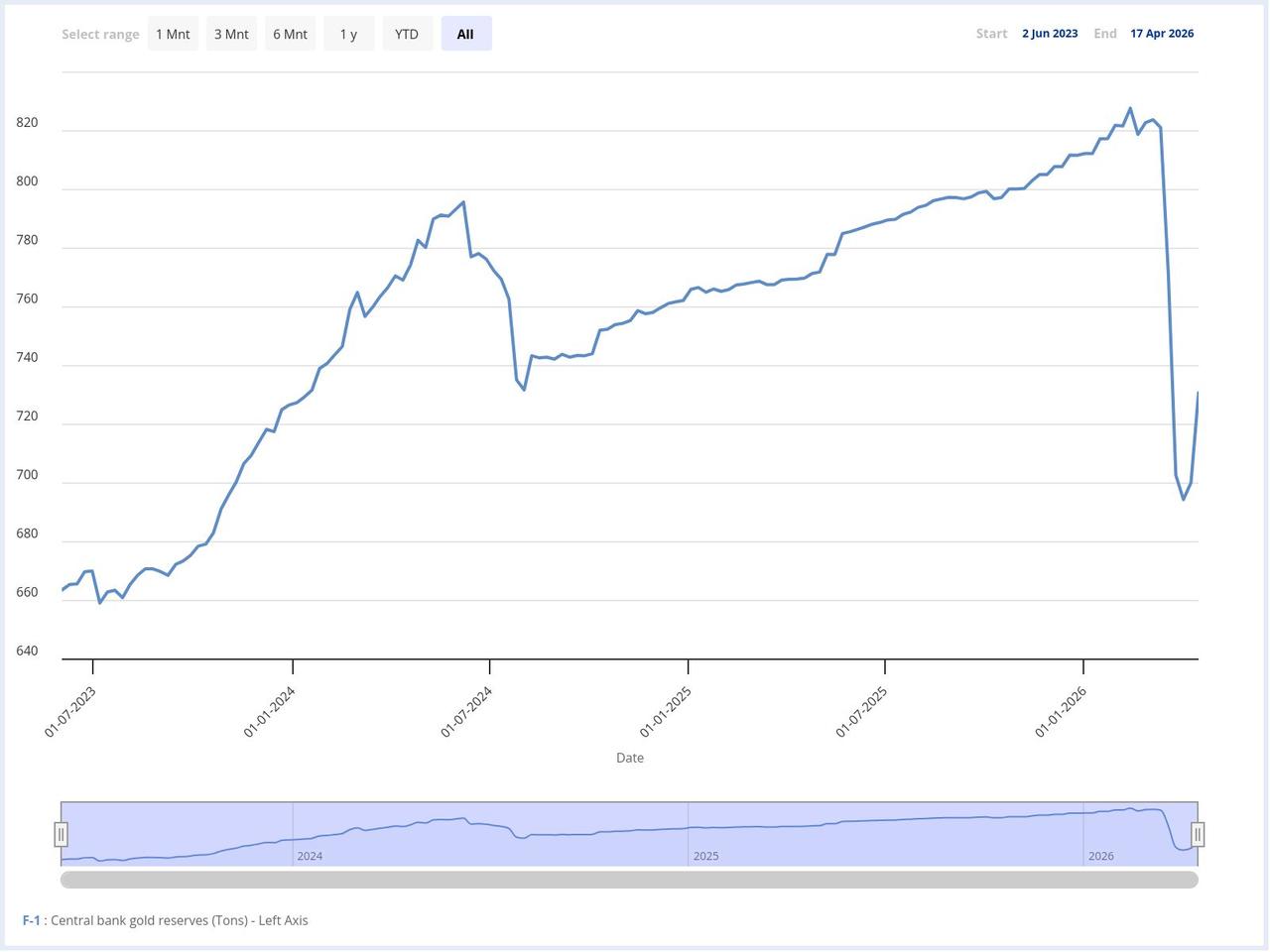
The Central Bank of the Republic of Türkiye (CBRT) has begun rebuilding its gold reserves as it unwinds some of its dollar-for-gold swap positions used during peak market stress, with physical holdings rising to around 730 tons as of April 17, the latest data show.
The bank increased its gold reserves by 30.7 tons over the past week, bringing total gains to 36.4 tons, including the previous week, reversing a steep drawdown driven by earlier liquidity operations.
Turkish policymakers had opened roughly 73 tons worth of gold swap positions in March, contributing to a sharp decline in reserves, which make up more than half of the bank’s gross holdings. Part of the bullion reserves was also sold during that period.
Before the war, the central bank held nearly 830 tons of gold. That figure dropped by 127 tons to 693 tons by the end of March.
The swap operations provided U.S. dollar liquidity amid accelerating capital outflows and rising foreign currency demand, as the central bank intervened to limit volatility in the Turkish lira.
During this period, the bank also restarted dollar-for-lira swap operations for the first time in a year. At the peak of interventions, it sold nearly $60 billion from its reserves.

Market conditions improved following a ceasefire between the United States and Iran, which reduced pressure on Turkish assets and allowed the central bank to begin rebuilding reserves.
Since early April, gross reserves have risen by around $20 billion to above $170 billion. Data shows gross reserves increased by $3.6 billion in the week ending April 17, reaching $174.5 billion.
Net reserves also improved, rising by $2.8 billion to $58.4 billion. Net reserves excluding swaps rose by $9.3 billion to $39.7 billion over the same period.
Foreign investors bought $579.4 million in stocks and $243 million in bonds, excluding repos, in the week of April 10–17, for a total of $822.4 million, marking a second straight week of inflows into bonds.
Total deposits in the banking sector increased by 3.5% in the week ending April 17, rising by ₺1 trillion to ₺30.6 trillion ($680 billion).
Foreign currency deposits grew by 1.6% to $275.8 billion, while domestic residents’ consumer loans declined by 1.1% to ₺6.13 trillion.


 Set as preferred source
 Set as preferred source


 1 min read
 1 min read