Newsletters


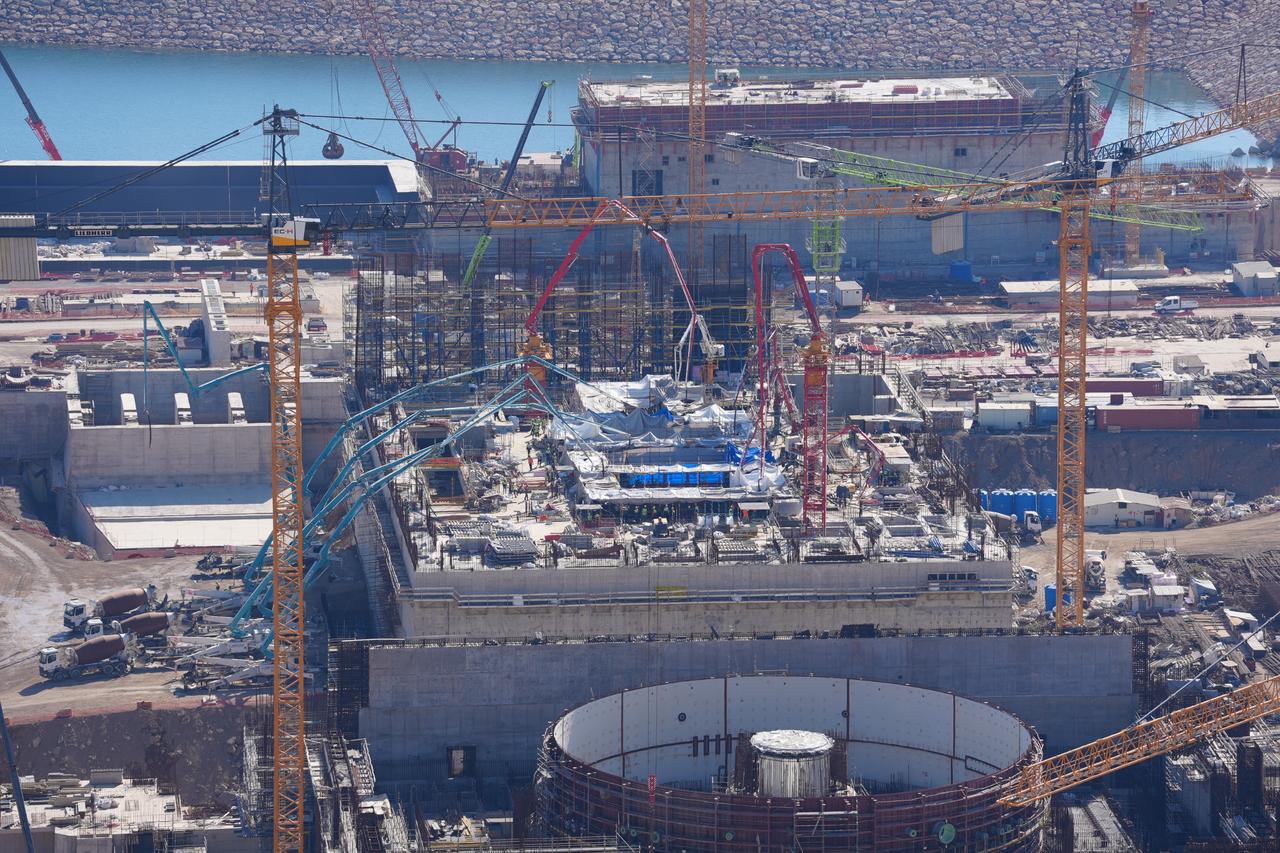


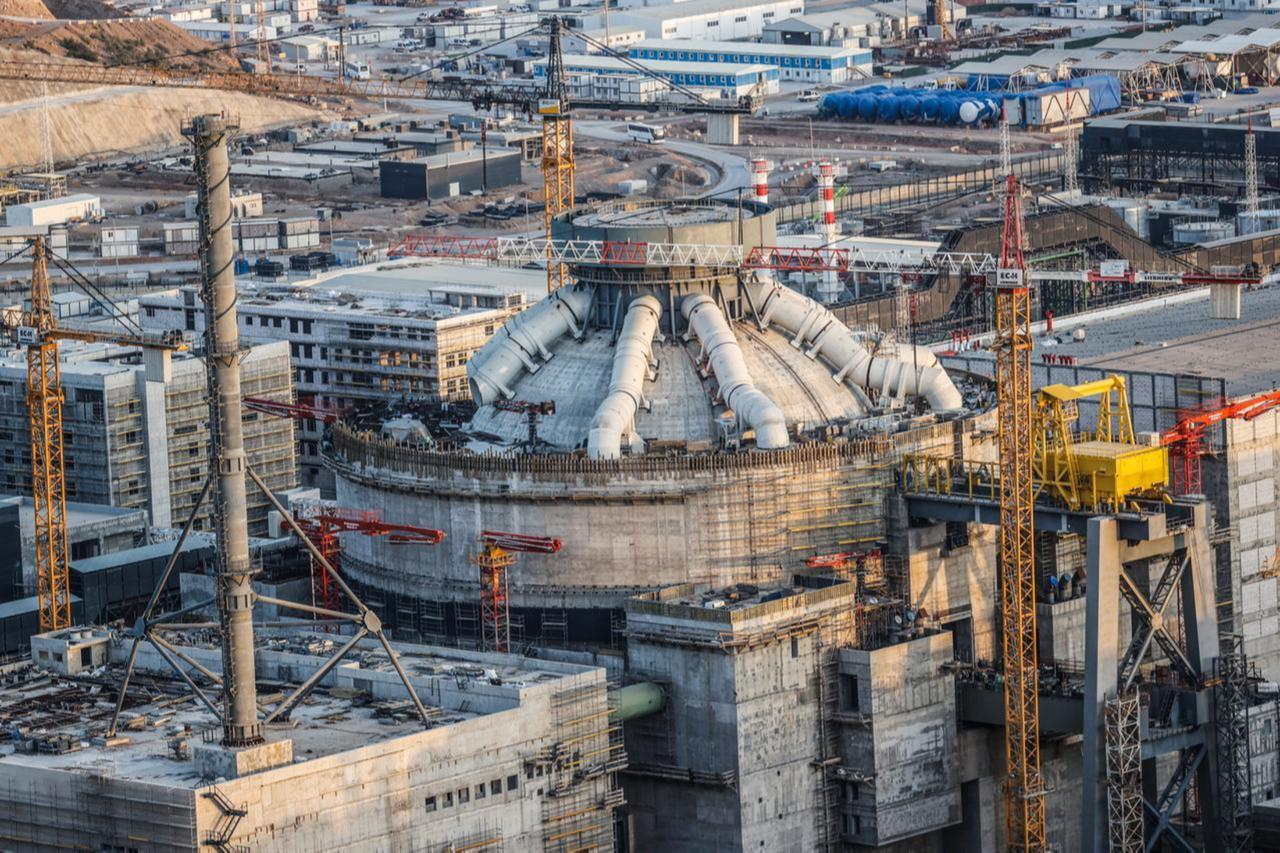
Turkish companies have expressed interest in acquiring up to 49% of the Akkuyu Nuclear Power Plant (NPP), Russia's state nuclear corporation Rosatom Director General Alexey Likhachev said, with confidential talks underway as Türkiye’s first reactor nears start-up.
"Under our intergovernmental agreement, the financial-economic model allows an investor to enter with up to 49%. This may be a Turkish or foreign investor, an investor from a third country, but on the condition that the Turkish government permits such entry. We are working in this direction. Today there are legal entities in Türkiye that have expressed such a desire," Likhachev told reporters at Rosatom’s World Atomic Days forum in Antalya.
"Our presidents discussed this. Vladimir Putin said that the entry of Turkish companies and their interest in this work are being discussed," he said.
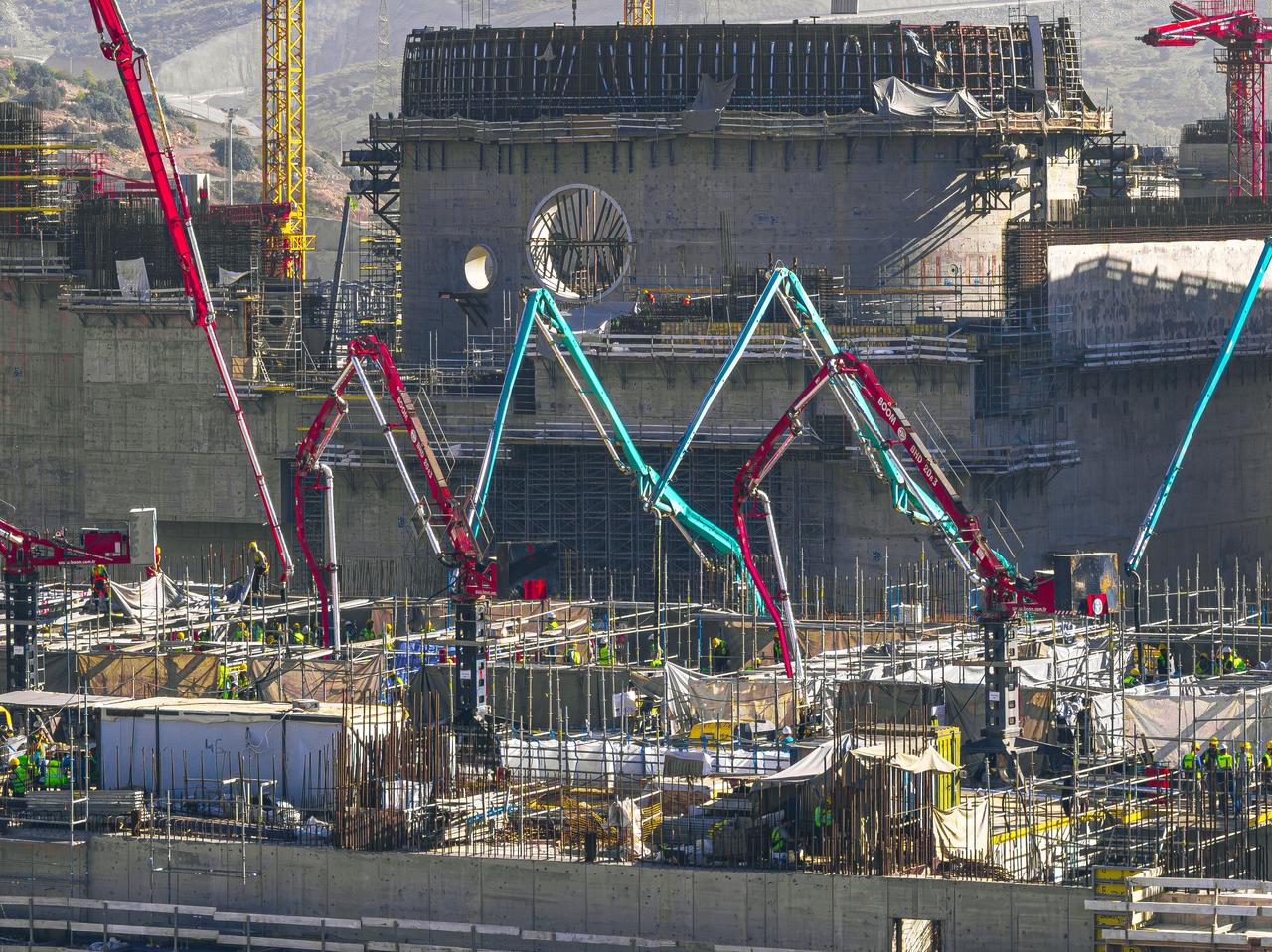

"For now, negotiations are being held in a confidential format, but I am confident that, in line with the stages of commissioning and operation of the first unit, a decision will be made on changing the financial-economic model, primarily in terms of the entry of a Turkish investor and the completion of this joint project," Likhachev said.
The investors were not named.
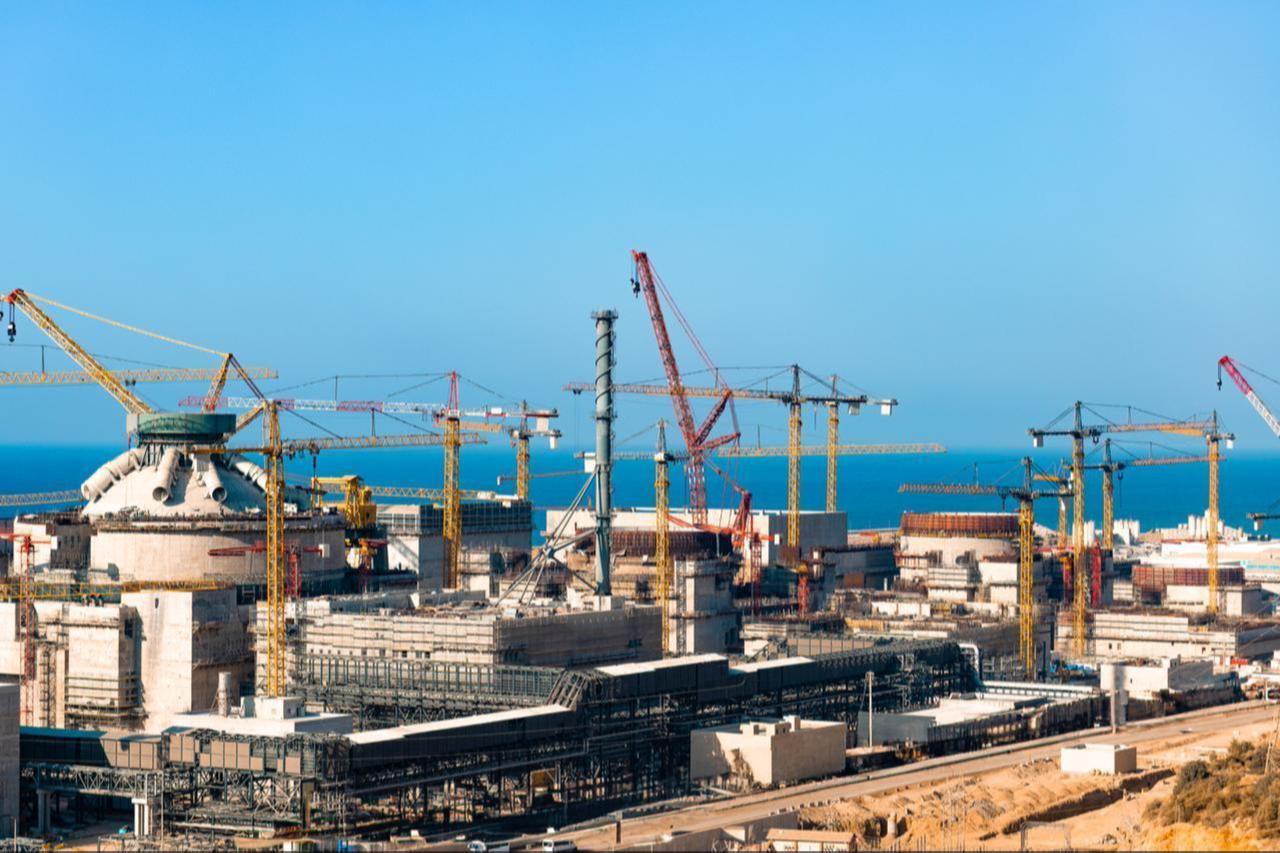
"We are not just on the home stretch but right in front of the finish line in terms of starting up the Akkuyu station. In the coming hours, we expect permission to begin hot functional testing," Likhachev said.
"I very much hope we pass these tests successfully, and in December the loading of real fuel into the first reactor vessel will begin, and in January-February Türkiye will receive its long-awaited nuclear electricity," he added.
Türkiye's Energy and Natural Resources Minister Alparslan Bayraktar also said physical start-up of the first reactor would begin within weeks. Likhachev had earlier said the first unit’s reactor start-up was set for the second half of December.
Türkiye's Nuclear Regulatory Authority (NDK) issues indefinite operating licenses with safety reviews every 10 years, Anil Belme, head of its nuclear installations department, told Russian media outlet RIA Novosti.
"The plant is designed for 60 years. We do not currently expect it to operate longer, but everything depends on the condition of the reactor and safety standards at that time," he said.
Likhachev said new plants Russia is building would run for more than 100 years, though Russia’s regulator cannot yet license beyond 60 years due to lack of data.


 Set as preferred source
 Set as preferred source


 1 min read
 1 min read