Newsletters


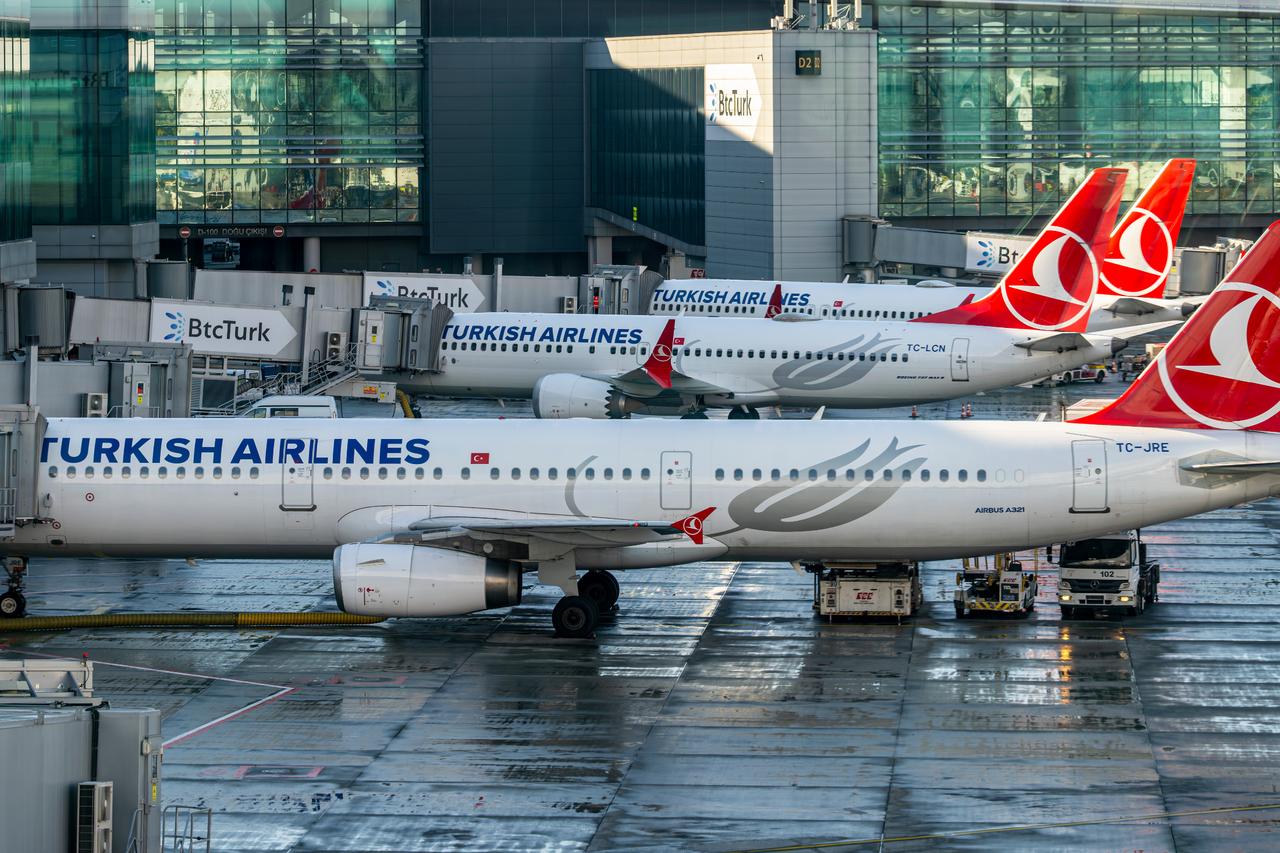


The number of aircraft operated by Türkiye’s airlines for passenger and cargo services rose from 558 to 800 over the past five years, according to data released by the Civil Aviation General Directorate.
The expansion comes as Türkiye has made significant advances in air transportation through major airport construction and modernization projects, strengthening its position as a regional aviation and logistics hub.
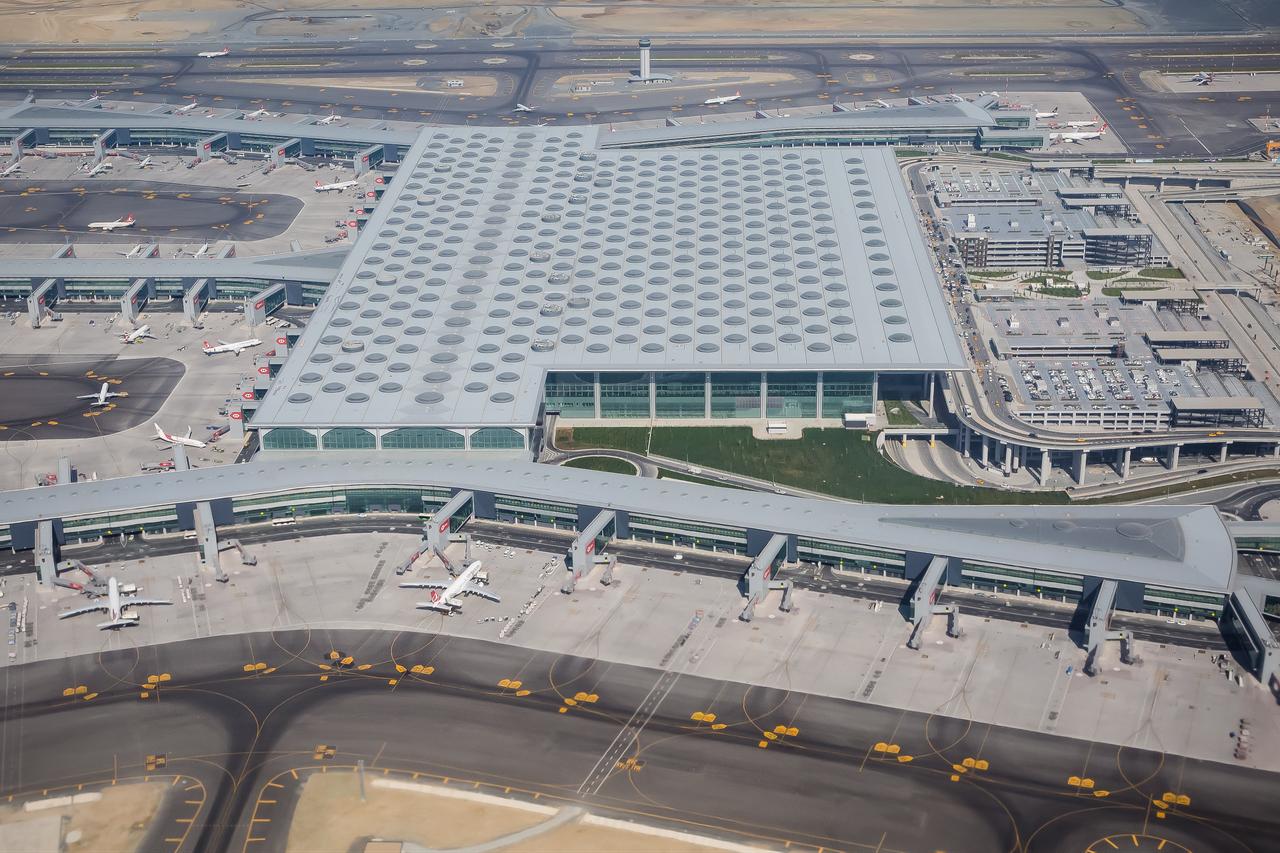
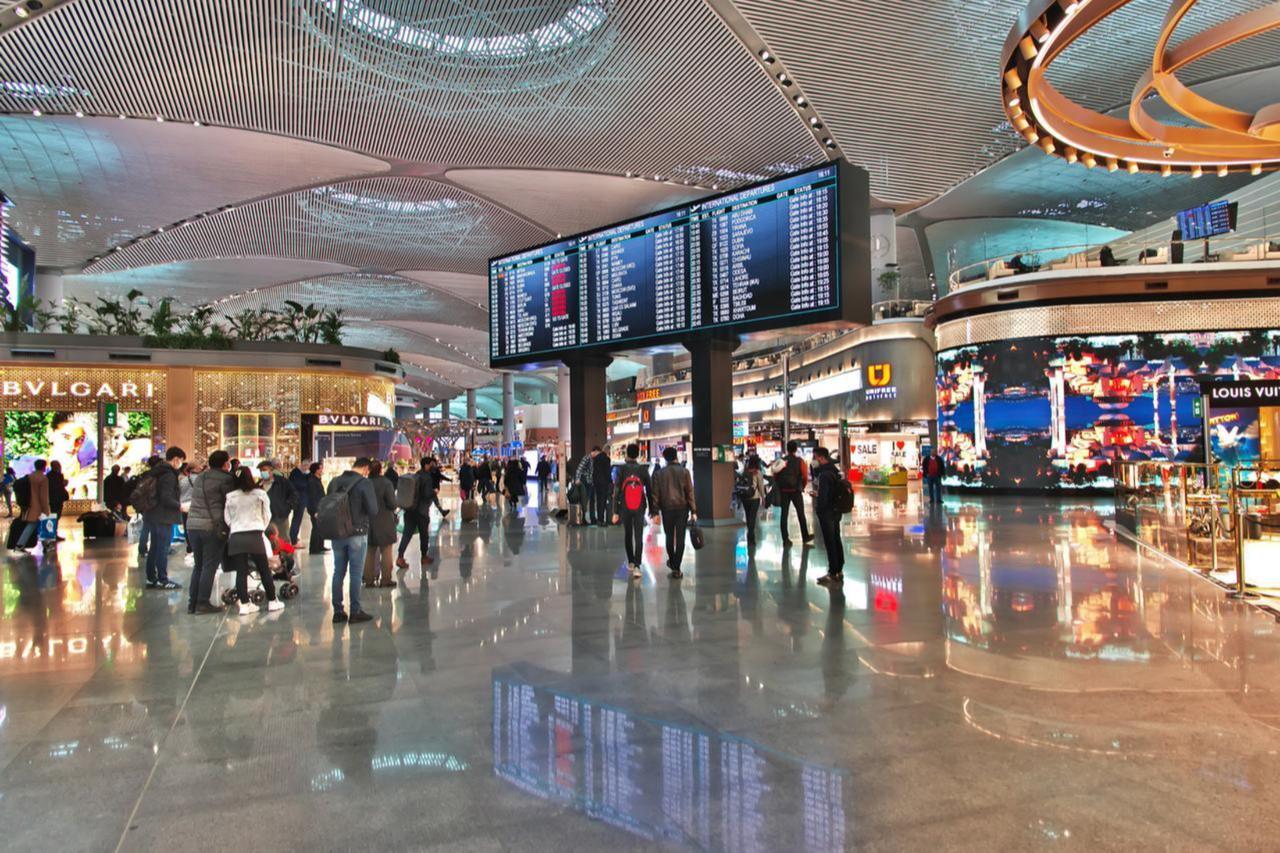
The opening of IGA Istanbul Airport, one of the world’s largest airports, along with expansion projects at Antalya and Ankara Esenboga airports, has boosted the country’s aviation capacity.
Turkish airports now serve 356 destinations in 133 countries, the data showed. Passenger traffic exceeded 247 million in 2025, marking a record high.
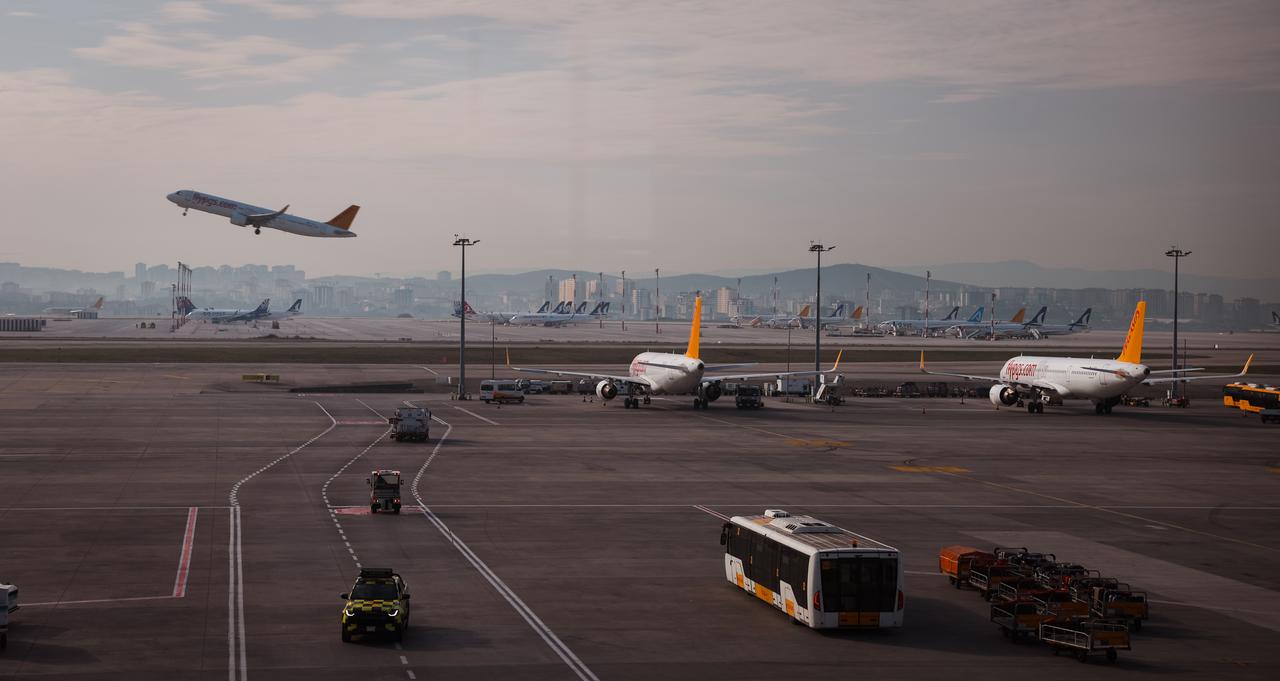

Fleet growth has accompanied the surge in air travel.
The total number of passenger and cargo aircraft increased by 43% by the end of 2025 compared with 2021.
Over the same period, total seating capacity rose from 104,464 to 157,785.
Passenger aircraft account for the vast majority of the fleet, with about 760 of the 800 registered aircraft used for passenger services and roughly 40 dedicated to cargo operations.
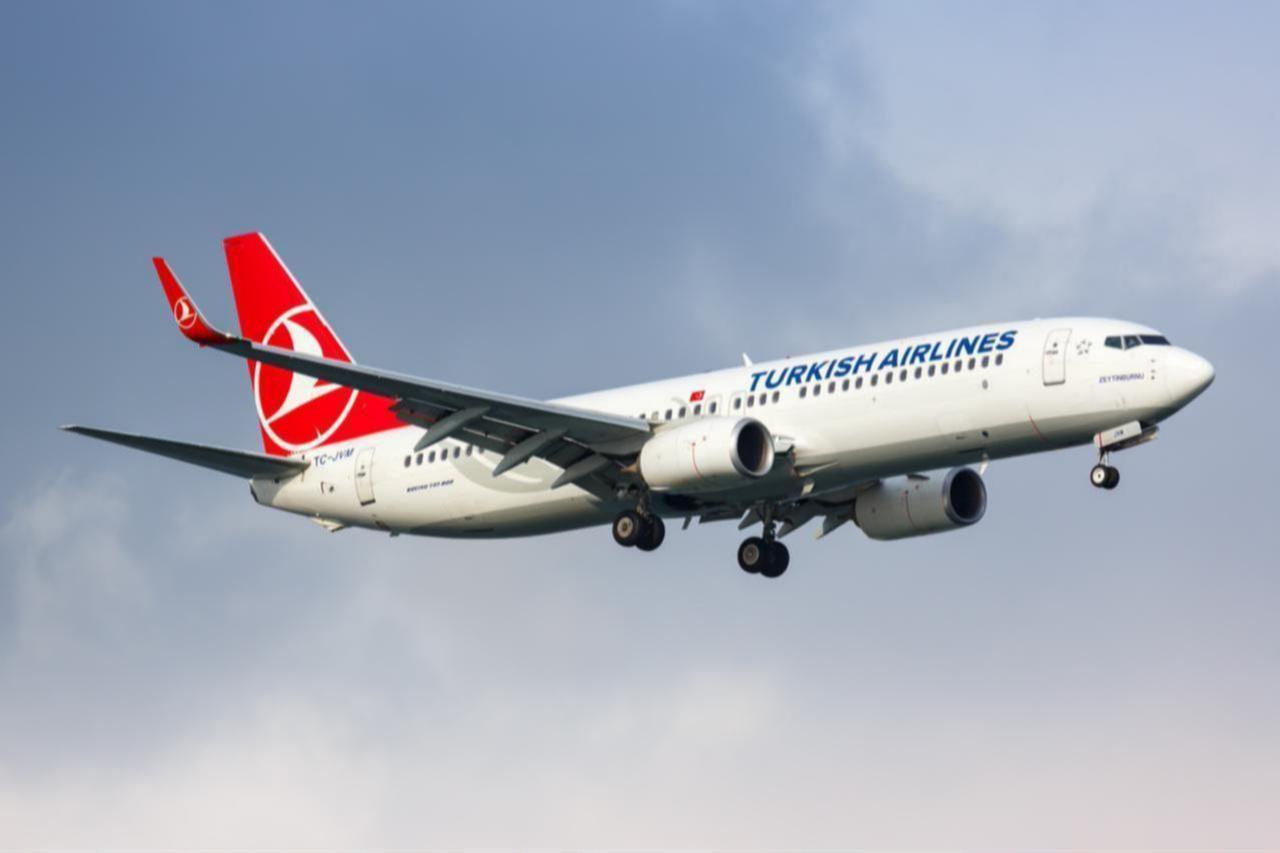
Türkiye’s flag carrier, Turkish Airlines, operates the largest share of the fleet, with 473 aircraft at the end of 2025.
It is followed by Pegasus Airlines with 128 aircraft and SunExpress with about 81 aircraft, according to the data.


 Set as preferred source
 Set as preferred source


 1 min read
 1 min read