Newsletters


Türkiye’s Trade Ministry has increased the number of countries designated as priority export markets from 55 to 60 for 2026, in an effort to enhance the global competitiveness of Turkish exporters.
The expanded list maintains nearly all countries targeted in 2025 and introduces five new markets, Palestine, Syria, Slovakia, Hungary, and North Macedonia, as part of a broader strategy aimed at diversifying export destinations and reinforcing Türkiye’s trade footprint across regions.
Countries retained from the previous year include the United States, Germany, the United Kingdom, China, Japan, India, France, Italy, Spain, South Korea, and others spanning Europe, Asia, the Middle East, Africa, and Latin America. In total, the updated 2026 list comprises a mix of developed and developing economies seen as strategic for export growth.
Commenting on the development, Jak Eskinazi, the Ege Exporters' Associations (EIB) Coordinator Chairperson, said the ministry provides annual state incentives under 16 categories to strengthen exporters’ global reach.
Eskinazi highlighted that the Trade Ministry increased its export support budget from ₺33 billion in 2025 to ₺45 billion ($1.04B) for 2026. He also noted that exporters expect at least 1% of Türkiye’s foreign exchange income to be allocated to such programs.
The ministry offers additional incentives for participation in events targeting these 60 countries. Firms active in priority sectors receive 20 extra support points for fair participation and trade missions, with a further 5-point bonus for companies operating in designated strategic sectors.
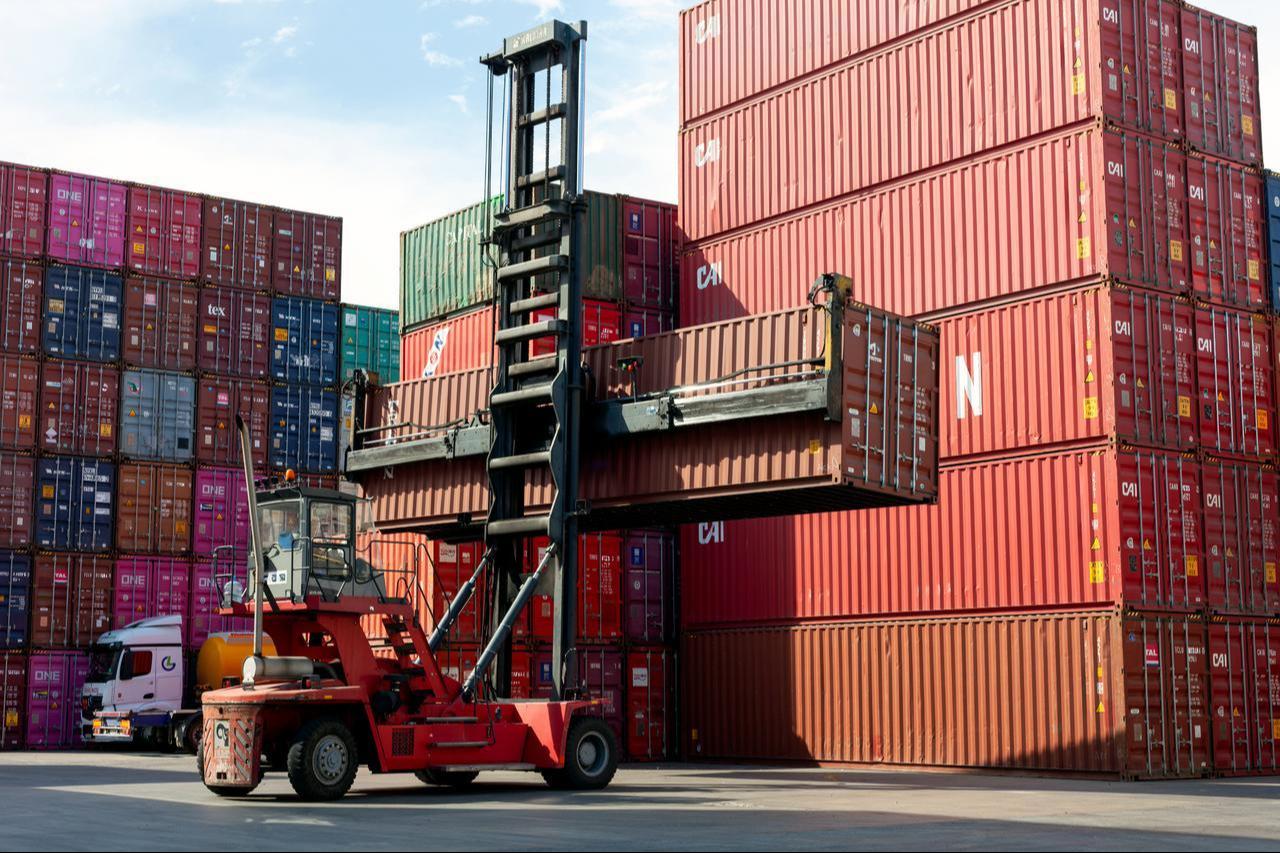

Türkiye exported goods worth $270.6 billion in the first eleven months of 2025, marking a 3.7% increase compared to the same period a year earlier.
Out of this total, $163.47 billion billion, nearly two-thirds of all exports, came from trade with the country’s 55 designated priority markets, led by Germany ($20.4 billion), the United States ($14.76 billion), Iraq ($11.05 billion), the United Kingdom ($15.19 billion), and Italy ($12.2 billion).
The newly added countries, on the other hand, accounted for a combined total of $7.6 billion, led by Syria ($3 billion), followed by Hungary ($1.74 billion), Slovakia ($1.73 billion), North Macedonia ($650 million), and Palestine ($481 million).


 Set as preferred source
 Set as preferred source


 1 min read
 1 min read